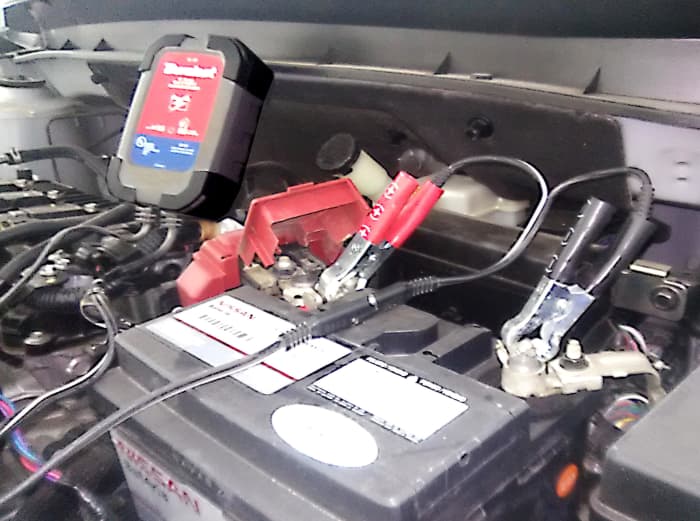
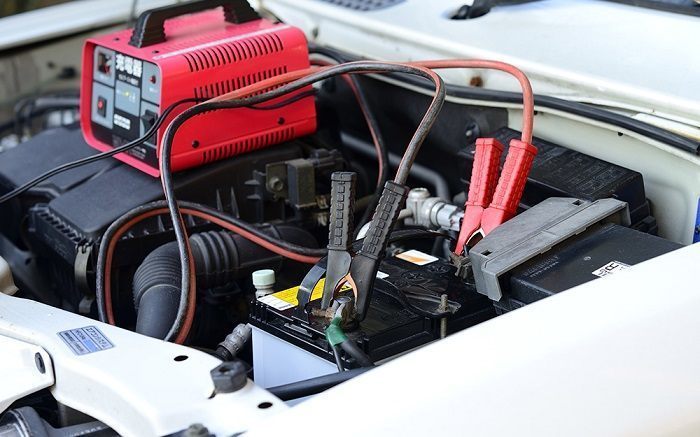
Okay, let's talk car batteries. We've all been there, stranded in a parking lot, jumper cables in hand, praying someone with a friendly face (and a working car) will appear. It's a modern-day tragedy, really. But fear not, because understanding how long to charge your car battery can significantly decrease your chances of starring in this particular drama. Think of this as your personal battery-charging cheat sheet, sprinkled with a bit of automotive wisdom.
The Charging Time Conundrum: It's Not One-Size-Fits-All
The million-dollar question: how long does it *actually* take to charge a car battery? The answer, like most things in life, is: it depends. Several factors play a role, from the battery's current charge level to the type of charger you're using. Think of it like baking a cake; the oven temperature, the ingredients, and even the altitude can affect the baking time.
Generally speaking, a completely dead car battery can take anywhere from 4 to 24 hours to fully charge using a standard trickle charger. A faster charger (also known as a smart charger) can do the job in as little as 1 to 3 hours. However, blasting your battery with a high-amperage charger isn't always the best approach. Slow and steady often wins the race when it comes to battery health. We'll get into that shortly.
Decoding the Charge: Key Factors at Play
Let's break down the variables that influence charging time:
*Battery Condition: Is your battery brand new and shiny, or has it seen better days? An older battery might not hold a charge as well and could take longer to reach full capacity. It's like that vintage band tee you love; it's got character, but it's not as resilient as a new one.
*State of Discharge: How drained is your battery? If it's just slightly weak, a quick boost might be all it needs. But if it's completely flat (thanks to leaving your headlights on, perhaps?), you're looking at a longer charging session.
*Charger Type: As mentioned earlier, trickle chargers are the slow-and-steady option, while smart chargers offer a faster (and often safer) charging experience. Smart chargers automatically adjust the charging rate and shut off when the battery is full, preventing overcharging – a common cause of battery damage. Think of it like the difference between manually setting your thermostat versus having a smart thermostat that learns your habits and adjusts accordingly.
*Amperage: The amperage of your charger determines how quickly it delivers power to the battery. A higher amperage charger will charge faster, but using too high of an amperage can potentially damage the battery, especially if it's an older model.
Practical Tips for Optimal Charging
Now that we've covered the theory, let's get practical:
*Invest in a Smart Charger: Seriously, do it. It's a worthwhile investment that can extend the life of your battery and prevent overcharging. They often come with features like desulfation modes, which can help revive older batteries.
*Read the Manual: Both your battery and your charger should come with instructions. Read them! They'll provide specific recommendations for charging times and amperage settings.
*Monitor the Charging Process: Keep an eye on the battery while it's charging. If it starts to get excessively hot or you notice any unusual smells, disconnect it immediately. Safety first!
*Consider a Battery Tender: If you're storing a vehicle for an extended period, a battery tender can help maintain the battery's charge and prevent it from dying. It's like putting your car on life support, but in a good way.
Cultural Pit Stop: The Rise of Electric Vehicles
While we're on the subject of batteries, it's impossible to ignore the electric vehicle revolution. The charging times for EVs are a whole different ballgame, with Level 1 charging taking days and Level 3 (DC fast charging) offering a significant range boost in under an hour. The future is electric, and understanding battery technology will only become more critical.
Fun Fact: The first electric car was invented in the 1830s, long before the internal combustion engine took over!
A Final Thought: Staying Charged in Daily Life
Think about your own energy levels. Sometimes you need a quick caffeine boost (like a jump start), and other times you need a full night's sleep (like a trickle charge). Paying attention to the "charge" of your car battery isn't just about avoiding roadside emergencies; it's a reminder to be mindful of the things that keep us going, both literally and figuratively. Just like a car battery, we all need regular maintenance and the right kind of "charge" to stay on the road.