Ever wonder how that comfy fleece blanket or durable raincoat came to be? Chances are, it's made of polyester! It's everywhere, and understanding how polyester transforms from a bunch of chemicals into the fabric we use daily is surprisingly fascinating. It's like a modern-day alchemy, turning something seemingly simple into something incredibly versatile.
For beginners, knowing a little about polyester means understanding why so many clothes are wrinkle-resistant and affordable. For families, it's about appreciating the stain-resistant qualities of that favorite tablecloth that's seen a thousand spills. And for hobbyists like crafters and sewists, knowing how polyester is made can influence your fabric choices for different projects. Is it best for outdoor gear? Should you use it for delicate embroidery? Let's dive in!
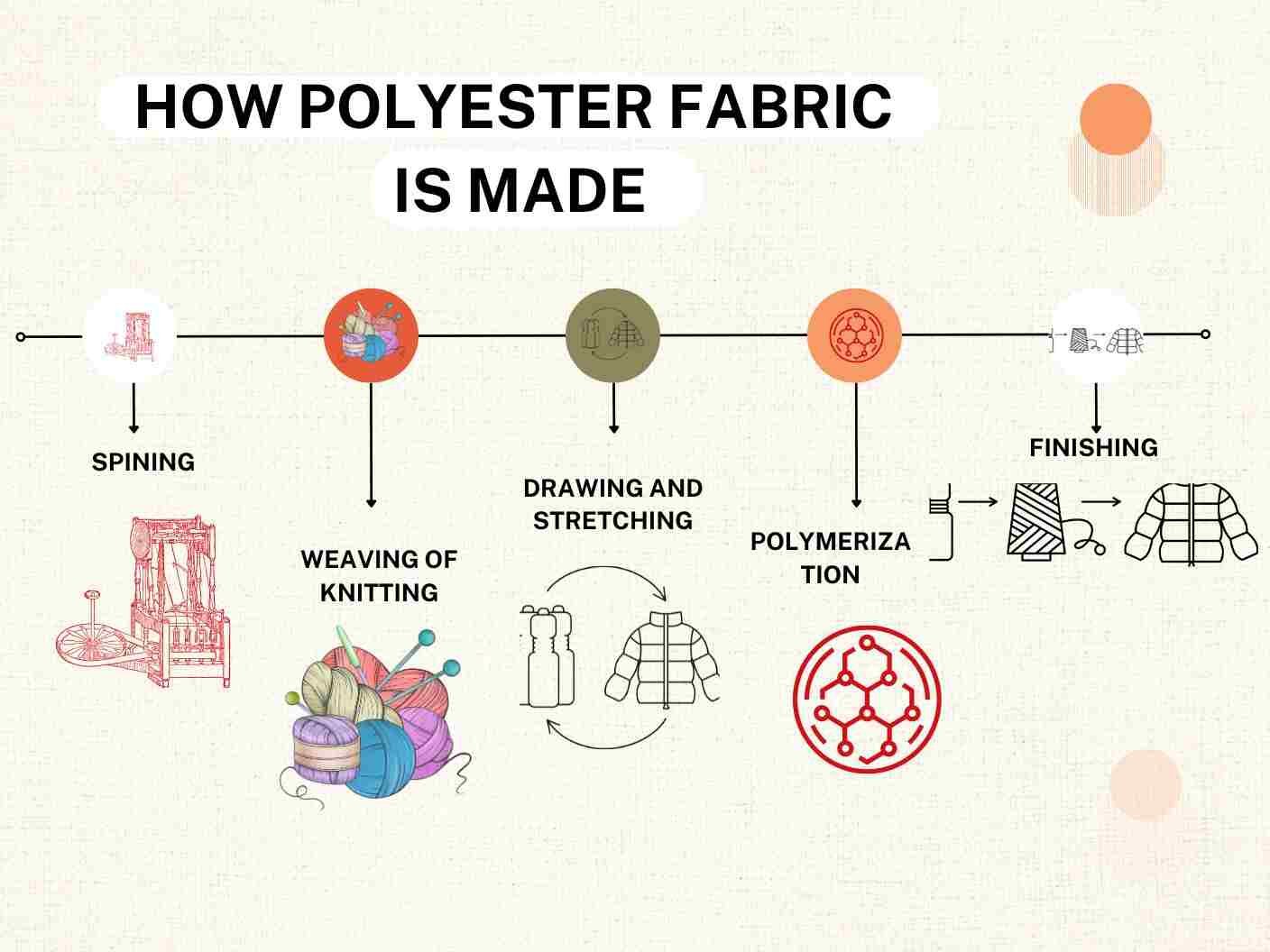
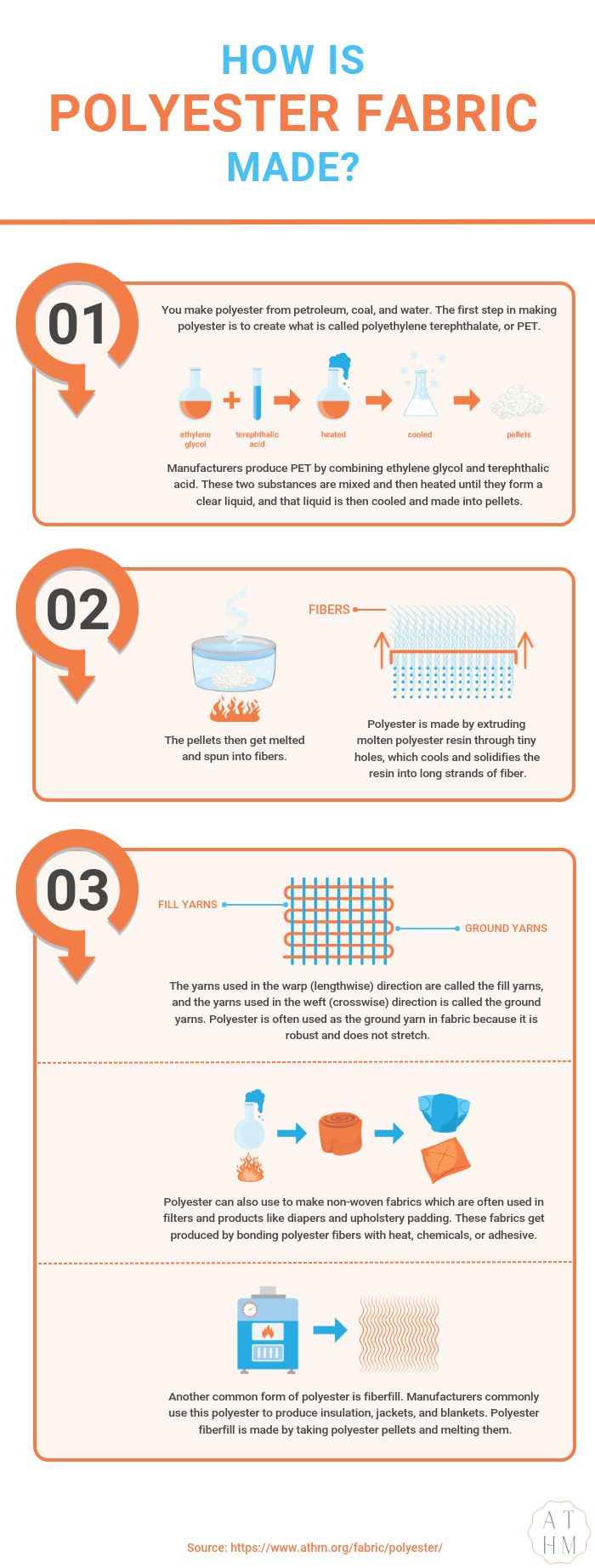
The journey begins with petroleum. Don't worry, it doesn't stay oily! Through a process called polymerization, large molecules called polymers are created. Think of it like building a Lego tower, linking many smaller pieces (monomers) together to form a long, strong chain.
Next, this molten polymer is forced through a spinneret – a device that looks like a showerhead with tiny holes. As the liquid polyester emerges, it cools and solidifies into long, continuous strands called fibers. These fibers are then stretched to increase their strength and durability. This stretching process is crucial because it aligns the molecules, making the final fabric much more resilient.
Now comes the fun part! These fibers can be used in many ways. They can be spun into yarn, which is then woven or knitted into fabric. Or they can be directly bonded together to create non-woven fabrics like felt or batting. The possibilities are endless!
There are many variations of polyester fabrics. For example, microfleece is a super-soft, lightweight polyester, perfect for blankets and pajamas. Ripstop polyester is woven with a special reinforcing technique, making it incredibly durable for outdoor gear. And then there’s recycled polyester, made from plastic bottles – a more sustainable option that's gaining popularity!
Getting started with polyester is easy! If you're a beginner sewer, try practicing with inexpensive polyester fabric. It's forgiving and easy to work with. If you're curious about the environmental impact, look for items made from recycled polyester. You can often find this information on the product label.
Practical Tip: Polyester is generally easy to care for. Most polyester fabrics are machine washable and dryable. However, avoid high heat, as it can damage the fibers and cause shrinkage.
Understanding how polyester is made unlocks a new level of appreciation for the materials we use every day. It's a testament to human ingenuity and a reminder that even the most common fabrics have a fascinating story to tell. So, the next time you slip on your favorite polyester shirt, take a moment to marvel at the journey it took from a simple chemical compound to a comfortable and practical garment.