
Ever wondered how a nuclear power plant, that hulking giant on the landscape, magically conjures electricity from, well, seemingly nothing?
It's not quite magic, but it's pretty darn close! Buckle up, because we're about to take a whirlwind tour of how these amazing power plants work their energy-generating wizardry.
The Core Idea: Boiled Water, Just Like Your Kettle!
At its heart, a nuclear power plant is basically a super-sophisticated kettle. Seriously! Just imagine a kettle the size of a small building, capable of boiling truly astonishing amounts of water.
The basic principle is remarkably simple: boil water, create steam, spin a turbine, and generate electricity. The only real difference between your kitchen kettle and a nuclear plant is how they get the water hot enough to bubble and gurgle.
Fission: The Atomic Dance Party
Instead of using gas or electricity to heat the water, nuclear power plants use nuclear fission. Now, "fission" might sound like something out of a sci-fi movie, but it's actually quite straightforward.
Imagine a bunch of uranium atoms having a wild dance party inside the reactor. These uranium atoms are a bit unstable, like that one friend who's always on the verge of doing something crazy.
When a tiny particle called a neutron crashes into one of these uranium atoms, BAM! The atom splits apart. This splitting, or fission, releases a tremendous amount of energy in the form of heat.
Think of it like setting off a chain reaction of tiny, atomic-level firecrackers. Each firecracker (the splitting atom) releases a burst of heat, which then sets off more firecrackers, and so on.
The Reactor: Where the Magic Happens
This atomic dance party happens inside the reactor, which is the heart of the nuclear power plant. The reactor is designed to carefully control this fission process.
Think of the reactor as a super-precise oven, where the temperature is carefully regulated. We don't want the atomic dance party to get *too* wild!
Control rods, made of materials that absorb neutrons, are used to control the rate of fission. These rods can be inserted or withdrawn from the reactor core to speed up or slow down the chain reaction.
If the reactor starts getting too hot, the control rods are inserted further to slow things down. If more heat is needed, the rods are withdrawn slightly. It's all about maintaining a steady, controlled burn.
From Heat to Steam: Just Like Making Tea
The heat generated by fission warms up water that flows around the reactor core. This water doesn't boil inside the reactor itself, but it gets incredibly hot!
This superheated water then flows to a steam generator. The steam generator is like a giant heat exchanger, transferring the heat from the reactor water to a separate supply of water.
This second supply of water boils, creating vast amounts of high-pressure steam. Now we're getting somewhere! We're basically making a giant cup of tea, but instead of a teacup, we have a turbine.
Spinning Turbines: Turning Steam into Motion
The high-pressure steam is directed at a turbine, which is essentially a giant fan connected to a generator. The force of the steam pushes against the turbine blades, causing it to spin at incredible speeds.
Imagine a windmill, but instead of wind, we're using superheated steam to turn the blades. The faster the turbine spins, the more electricity is generated.
This spinning motion is then transferred to a generator, which converts mechanical energy into electrical energy. It's like a dynamo on a bicycle, but on a monumental scale.
The Generator: From Spin to Spark
The generator uses the principle of electromagnetic induction to create electricity. As the turbine spins the generator's shaft, it rotates coils of wire within a magnetic field.
This creates a flow of electrons, which is what we know as electricity. It's the same principle that powers everything from your phone charger to the lights in your house.
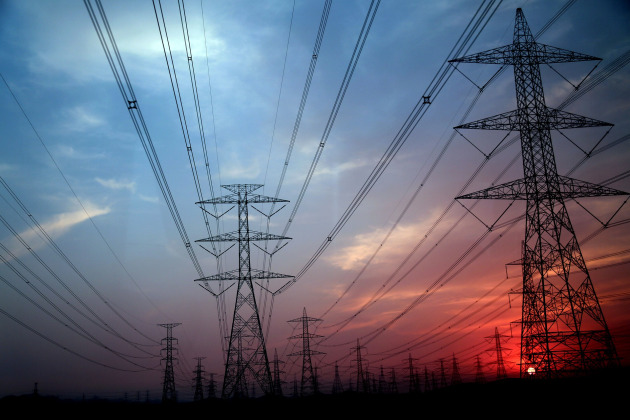
The electricity is then sent out to the power grid, ready to power our homes, businesses, and everything in between. Pretty cool, right?
Cooling Down: A Necessity
After the steam has spun the turbine, it needs to be cooled down and condensed back into water. This is done in a condenser.
The condenser is cooled by a source of water, such as a river, lake, or ocean. This is why nuclear power plants are often located near large bodies of water.
Sometimes, you'll see those massive cooling towers at nuclear plants. These towers help to dissipate the heat from the cooling water into the atmosphere.
Safety First: Layers of Protection
Nuclear power plants are designed with multiple layers of safety features to prevent accidents. These features include redundant systems, containment structures, and rigorous monitoring.
The reactor itself is housed inside a massive concrete and steel containment building, designed to withstand even the most extreme events.
Operators are highly trained and follow strict procedures to ensure the safe operation of the plant. It's a complex operation, but safety is always the top priority.
From Atomic Firecrackers to Power Outlets: A Recap
So, there you have it! The journey of electricity from a nuclear power plant, broken down into simple, everyday language.
We start with atomic fission, creating heat. That heat boils water, creating steam. The steam spins a turbine, which turns a generator, and voila! Electricity!
It's a fascinating process, combining physics, engineering, and a little bit of atomic magic. Next time you flip a light switch, remember the incredible journey that electricity took to get there.
And remember, while the process seems complex, the basic principle is surprisingly simple: boil water, spin a turbine, generate electricity. It's all about harnessing the power of the atom to keep our world running smoothly.
Now go forth and impress your friends with your newfound knowledge of nuclear power! You're practically a nuclear physicist now, or at least you can pretend to be at your next cocktail party.
Just remember to explain it all with the same enthusiasm and playful exaggeration! After all, science is always more fun when you're having a good time.
:max_bytes(150000):strip_icc()/electrical-sparks--artwork-548000401-5989ea456f53ba001118af4b.jpg)

:max_bytes(150000):strip_icc()/electricity-cable-with-sparks-artwork-525442015-5804fee23df78cbc28a71d9f.jpg)