Ah, asphalt! Think about it – where would we be without this ubiquitous, dark, and often overlooked material? From smooth highway road trips to sturdy parking lots that host countless adventures, asphalt is the unsung hero beneath our tires (and sometimes, our feet!). We rely on it every single day, whether we're consciously aware of it or not. It's the backbone of our transportation infrastructure, allowing us to connect with loved ones, explore new places, and efficiently transport goods.
But have you ever stopped to wonder just how resilient this seemingly simple surface is? Asphalt provides a smooth, durable, and relatively cost-effective way to pave roads, parking lots, driveways, and even airport runways. It cushions our ride, reduces noise, and helps prevent hydroplaning. More importantly, it's designed to withstand the relentless pounding of traffic, the freezing temperatures of winter, and, of course, the scorching heat of summer.
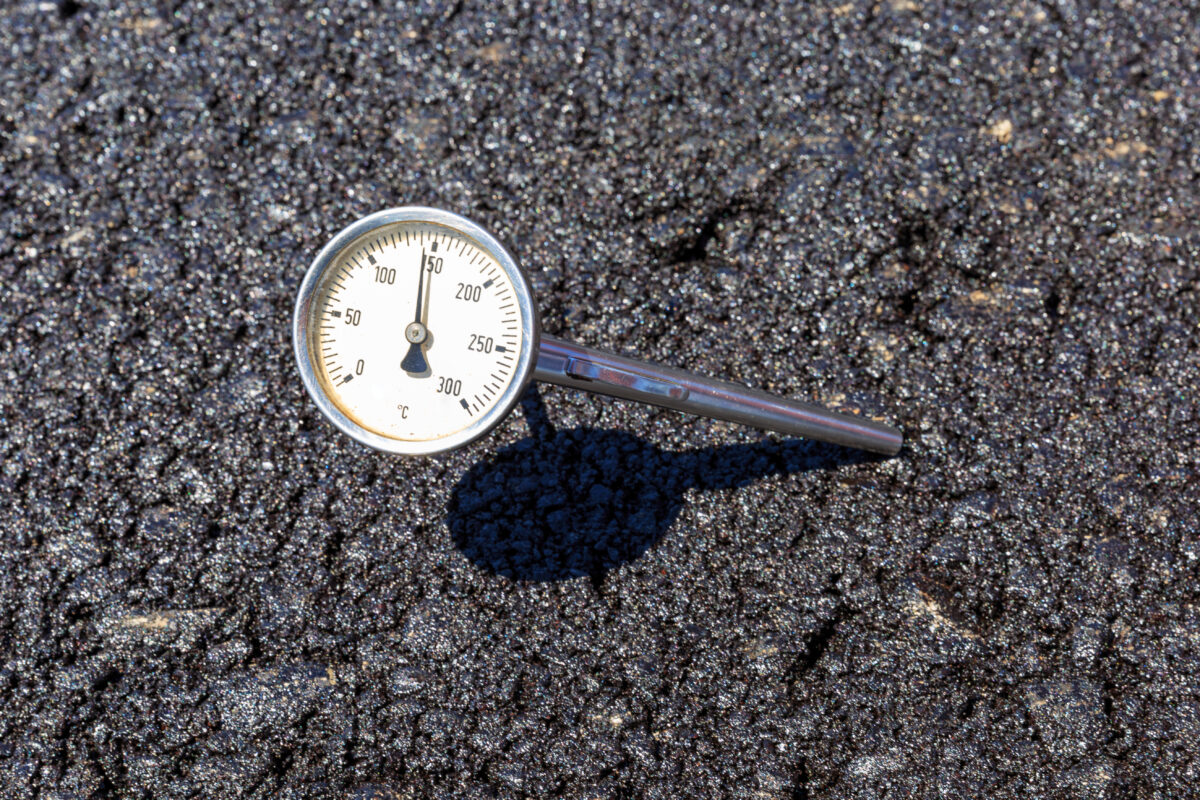
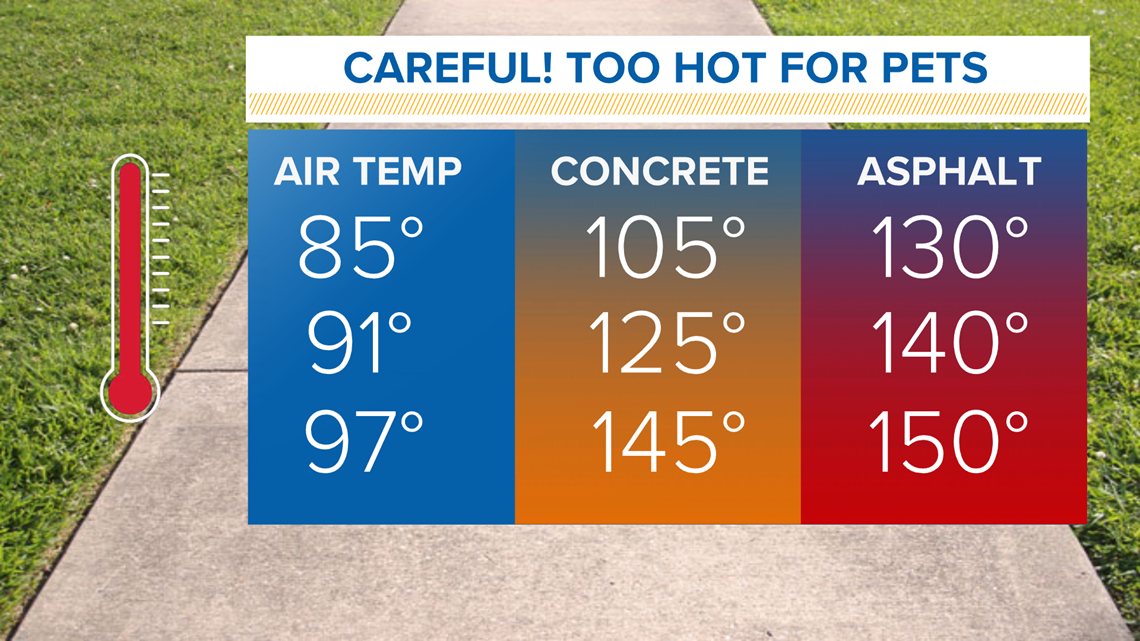
Now, let's get to the burning question: how hot can asphalt really get in the sun? The answer might surprise you. On a sunny day with an air temperature of 90°F (32°C), asphalt can easily reach temperatures of 140°F (60°C) or even higher! Factors like the color of the asphalt (darker colors absorb more heat), the intensity of the sun, and the ambient humidity all play a role. This extreme heat is why you might see heat waves shimmering above a road on a hot summer day.
You've probably experienced this firsthand. Remember walking barefoot across a parking lot on a summer afternoon? Ouch! That searing sensation is a testament to asphalt's heat-absorbing capabilities. This extreme temperature can also have some interesting effects. It contributes to the urban heat island effect, where cities tend to be warmer than surrounding rural areas. It can also impact tire pressure and, in extreme cases, even contribute to pavement degradation over time.
So, how can we better navigate this scorching reality and even enjoy asphalt-paved surfaces more effectively, especially during those hot summer months?
Here are a few practical tips:
- Wear appropriate footwear: This seems obvious, but flip-flops offer little protection against super-heated asphalt. Opt for shoes with thicker soles.
- Time your activities: Avoid prolonged exposure during the hottest parts of the day (typically between 10 AM and 4 PM). Early mornings and late evenings are your friend.
- Hydrate, hydrate, hydrate: When you're out and about on hot days, especially if you're exerting yourself, stay well-hydrated.
- Consider pavement sealants: For driveways and smaller areas, consider using reflective pavement sealants. These can help reduce the surface temperature.
- Protect your pets: Remember that what's uncomfortable for you is even more extreme for your furry friends. Avoid walking dogs on hot asphalt during peak hours, or consider using paw protectors.
While we can't control the weather or the heat-absorbing properties of asphalt, we can take steps to protect ourselves and our loved ones. By understanding how hot asphalt can get and taking a few simple precautions, we can continue to enjoy the benefits of this essential material without getting burned (literally!). So next time you're driving, walking, or parking on asphalt, take a moment to appreciate its role in our lives, and remember to stay cool!