Okay, picture this: it's Sunday morning, birds are chirping (probably lying, honestly), and you're all set for that legendary brunch your friend swore would be life-changing. You hop in your electric car, ready to roll, only to see... a measly 15% battery. Uh oh. The brunch place is, let's just say, not exactly around the corner. Immediately, the internal debate starts. "Can I *make* it? Should I risk it? Am I about to become a very annoying roadblock?" Been there? I *definitely* have.
That little drama queen moment perfectly illustrates the burning question for every EV owner (or potential owner): how far do I need to drive to actually charge my battery? It's not as simple as plugging in and waiting, folks. It’s a bit of a dance with variables, and we're here to learn the steps. So, buckle up, buttercup!
The Dreaded Miles-Per-Minute Myth
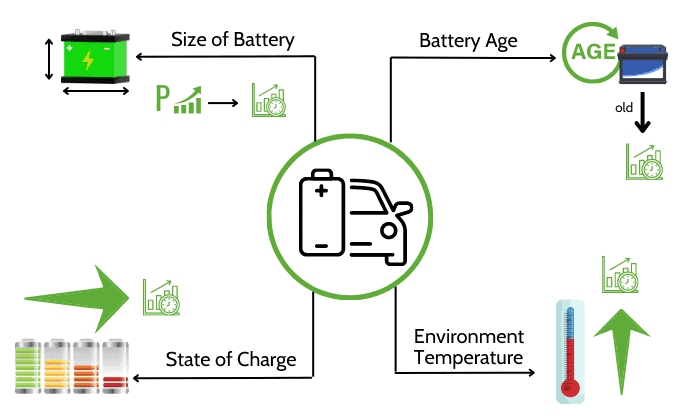
First, let's ditch the idea that there's a magical, universal formula like "10 minutes of charging equals 50 miles of range." Nope. Sadly, it doesn't work that way. Why? Because so many factors are at play, it's practically a statistical circus. Think of it more like baking a cake - temperature and humidity will affect it!
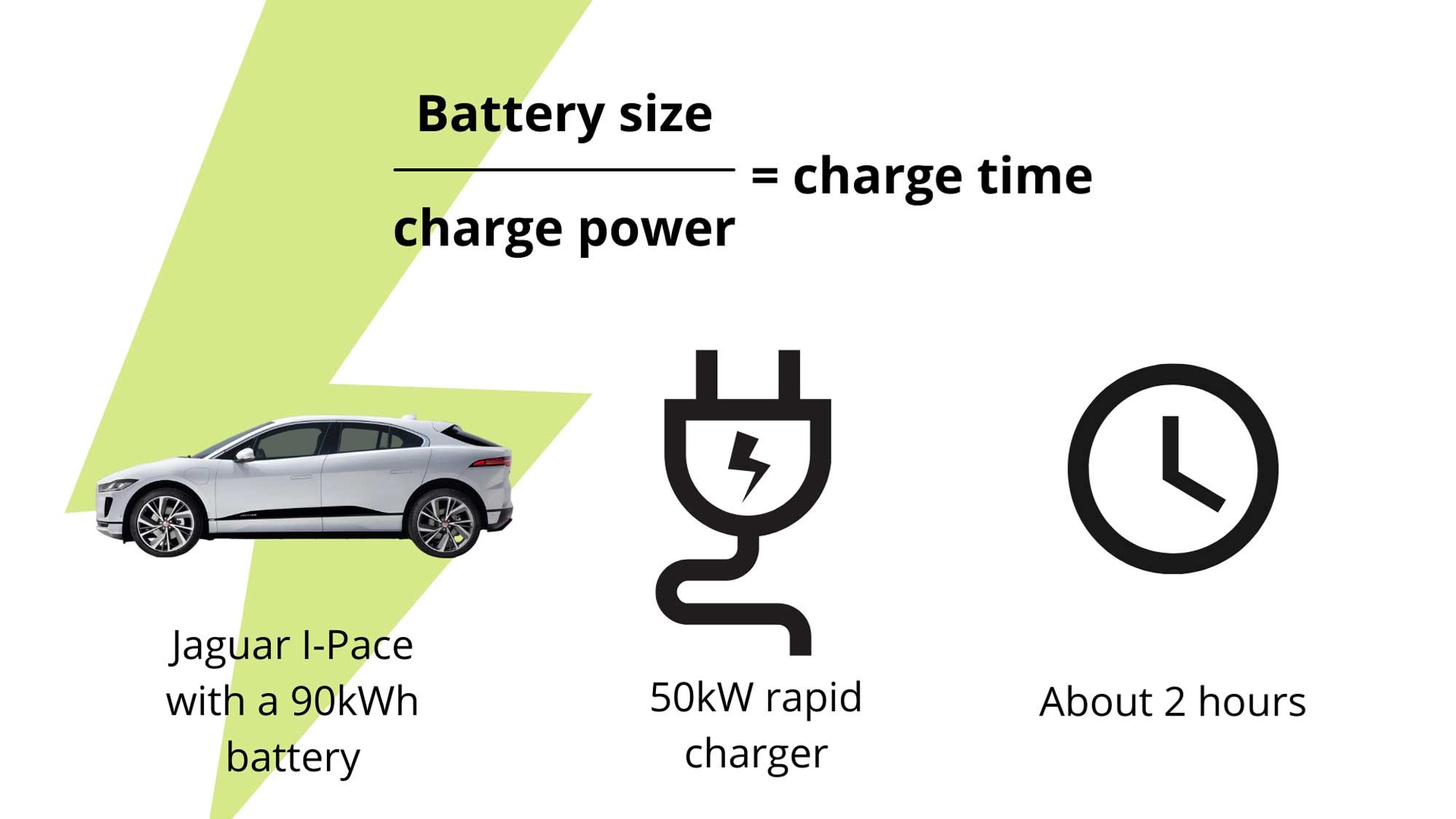
One of the most important factors is the charging station's power output. You've got Level 1, Level 2, and DC Fast Chargers (also known as Level 3). Level 1? Think trickle-charge, like filling a swimming pool with a teaspoon. Level 2 is more like a garden hose. And DC Fast Charging? That's a fire hose of electricity, baby! Obviously, the faster the charge, the less time you'll need to spend attached to the plug.
Side Note: Always check the charging station's specifications before plugging in. You don't want to be disappointed.
Battery Size and Current Charge Levels: The Double Threat
Your battery's size (capacity) is obviously a major player. A bigger battery will need more juice, period. It's like filling a bathtub versus filling a teacup. Makes sense, right?
But here’s the twist: how empty your battery already is matters big time. EVs charge faster when they're closer to empty and slow down as they approach full. Why? It's all about protecting the battery's long-term health. Charging from 0% to 80% will take considerably less time than charging from 80% to 100%. It's like how you can gobble down the first few slices of pizza, but start to slow down when you're already stuffed. (Okay, maybe that's just me.)
Temperature Tantrums and Driving Habits: The Wild Cards
Oh, and we're not done yet! Temperature throws another wrench into the works. Cold weather significantly slows down charging speeds. Think of your battery as a grumpy old man who doesn't want to get out of bed on a chilly morning. Hot weather can also impact charging speed and efficiency. Batteries like to be Goldilocks-level "just right," not too hot, not too cold.
Then there's your driving style. Lead foot? Expect to drain your battery faster, which means you'll need to charge for longer. Cruise control and smooth acceleration are your friends if you're trying to maximize range.
Seriously, think about how you drive. Are you a speed demon, or a zen master behind the wheel? It makes a difference.
So, What's the Answer? A Few Realities
So, after all that, what's the takeaway? Unfortunately, there's no single answer to how far you need to drive to charge. But here's what you can do:
- Use charging apps: Apps like PlugShare, ChargePoint, and Electrify America show you real-time charging speeds at nearby stations.
- Check your car's manual: Many EVs provide estimated charging times under different conditions.
- Experiment: The best way to learn is to pay attention to your car’s charging habits. Track how long it takes to get a certain amount of range under various conditions.
- Be realistic: Don’t assume you can get a full charge in just a few minutes. Plan accordingly.
Ultimately, driving an EV is all about learning your car's quirks and planning ahead. It's a different mindset than driving a gas car, but once you get the hang of it, it becomes second nature. And hey, think of all the money you're saving on gas (eventually)!
And remember, always leave yourself enough buffer to get to the next charging station. Nobody wants to be "that guy" stranded on the side of the road.