
Ever wondered how that little lightbulb in your room gets its juice? We often take electricity for granted, but understanding how it's made, especially in places like a nuclear power station, is surprisingly fascinating! Nuclear power might sound intimidating, filled with complex science and futuristic technology, but the core idea is actually quite simple, and incredibly important for our energy future.
So, what's the big deal with nuclear power? Well, think of it as a super-efficient way to boil water. That might sound underwhelming, but hold on! The purpose of a nuclear power station is to generate electricity on a large scale. This electricity powers our homes, businesses, hospitals, and everything in between. The *benefit*? Nuclear power offers a consistent and reliable source of energy, and crucially, it doesn't produce greenhouse gases like burning fossil fuels, making it a key player in combating climate change.
Okay, so how do we boil this water? Forget gas stoves or electric kettles. In a nuclear power station, we use nuclear fission. Imagine tiny uranium atoms – these are like incredibly tightly wound springs just waiting to be released. We gently nudge these atoms with a neutron, and BAM! The atom splits apart. This splitting releases a *huge* amount of energy in the form of heat. It's like setting off a tiny, controlled explosion – repeated billions of times every second.
This heat then warms up water, turning it into steam. Now, here's where things get a bit more familiar. This high-pressure steam is directed towards a turbine. Think of a turbine like a giant, sophisticated windmill. The force of the steam pushes the turbine blades, making it spin at incredible speeds. This spinning turbine is connected to a generator.
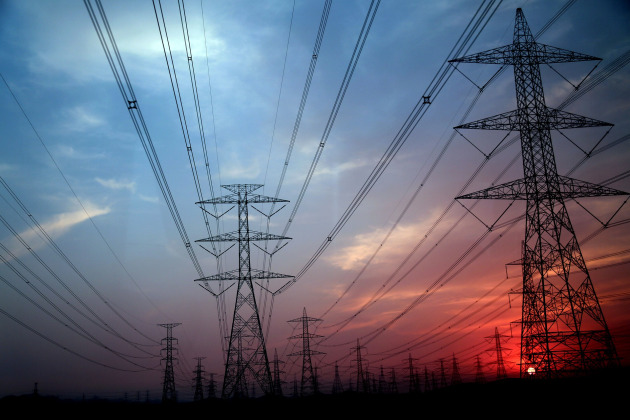
The generator is where the magic truly happens. Inside, a magnetic field interacts with coils of wire. As the turbine spins the generator, it causes electrons to flow through the wire, creating an electric current. This current then travels through power lines to our homes and businesses.
Finally, the steam that has passed through the turbine is cooled down and condensed back into water, ready to be heated again. This creates a closed-loop system, minimizing water waste. And importantly, the entire process is carefully controlled and monitored to ensure safety.
In short, a nuclear power station uses nuclear fission to generate heat, the heat boils water to create steam, the steam spins a turbine, and the turbine powers a generator to produce electricity. It's a chain reaction of controlled energy, providing us with a powerful and relatively clean energy source. So next time you flip a light switch, remember the amazing science happening behind the scenes in a nuclear power station!
:max_bytes(150000):strip_icc()/electrical-sparks--artwork-548000401-5989ea456f53ba001118af4b.jpg)

:max_bytes(150000):strip_icc()/electricity-cable-with-sparks-artwork-525442015-5804fee23df78cbc28a71d9f.jpg)