Okay, so picture this: You're curled up on the couch, Netflix is on, popcorn's in hand, and suddenly...drip. You look up. Nope, roof's fine. Then you hear it again. Drip. Drip. Drip. A creeping dread fills you as you realize the sound is coming from...the basement. Ugh, the basement. Where forgotten holiday decorations and that treadmill you swore you'd use reside in dusty darkness. And now, apparently, water.
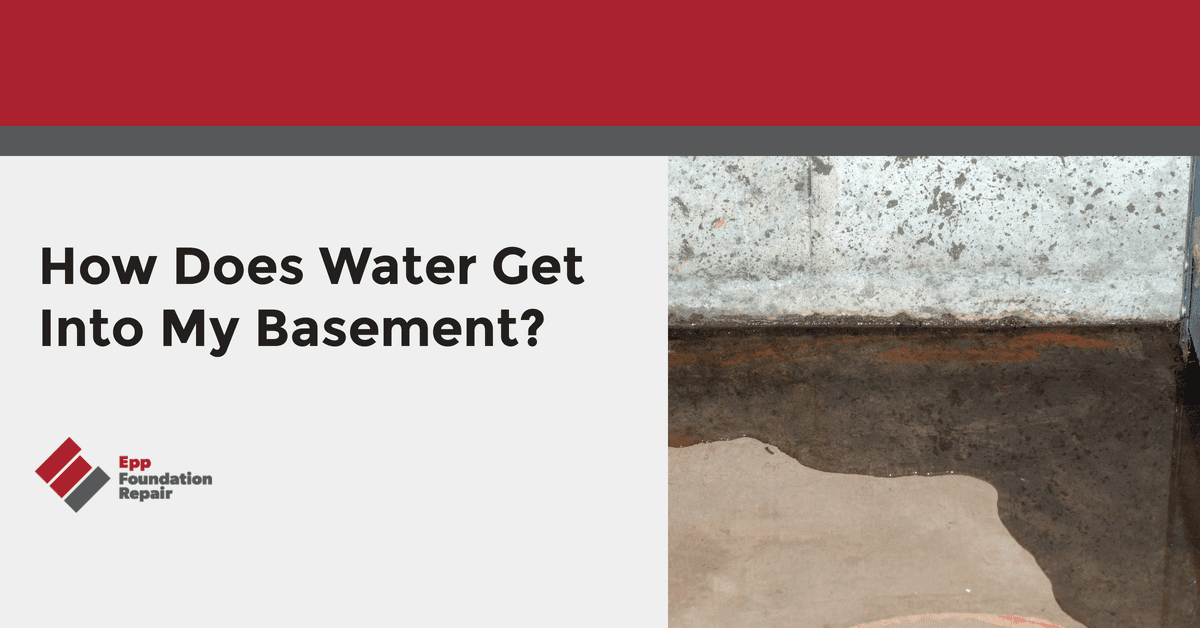
Basements and water. It's a tale as old as time. But how does water actually find its way into those subterranean spaces? It's not like it just teleports, right? (Although, wouldn't that be a wild explanation? "Honey, the basement flooded! Quantum physics, probably!")
Well, the truth is a little less sci-fi and a lot more...ground-sciency. Let's dive in (pun intended!).
The Usual Suspects: Surface Water
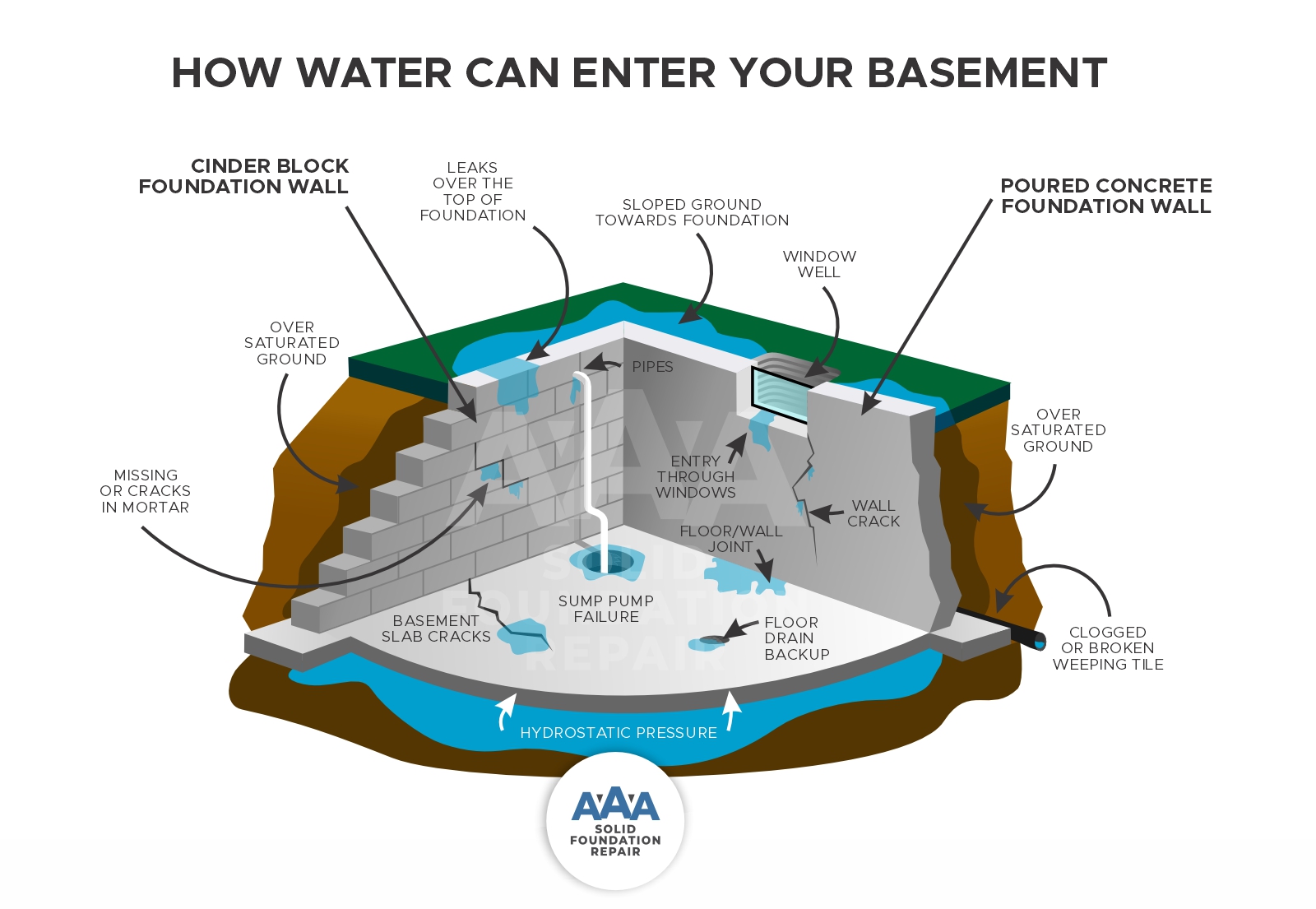
The most common culprit is good old-fashioned surface water. Rain, melting snow, the rogue sprinkler that's decided to attack your foundation – it all adds up. Think of your yard as a giant funnel, directing water towards your house. Not ideal, right?
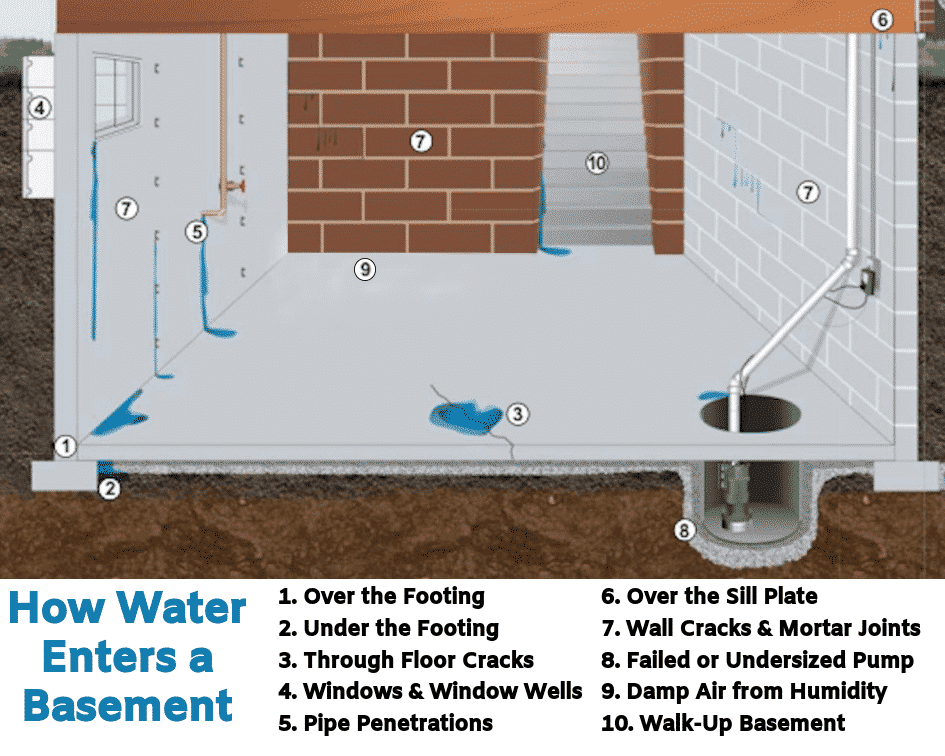
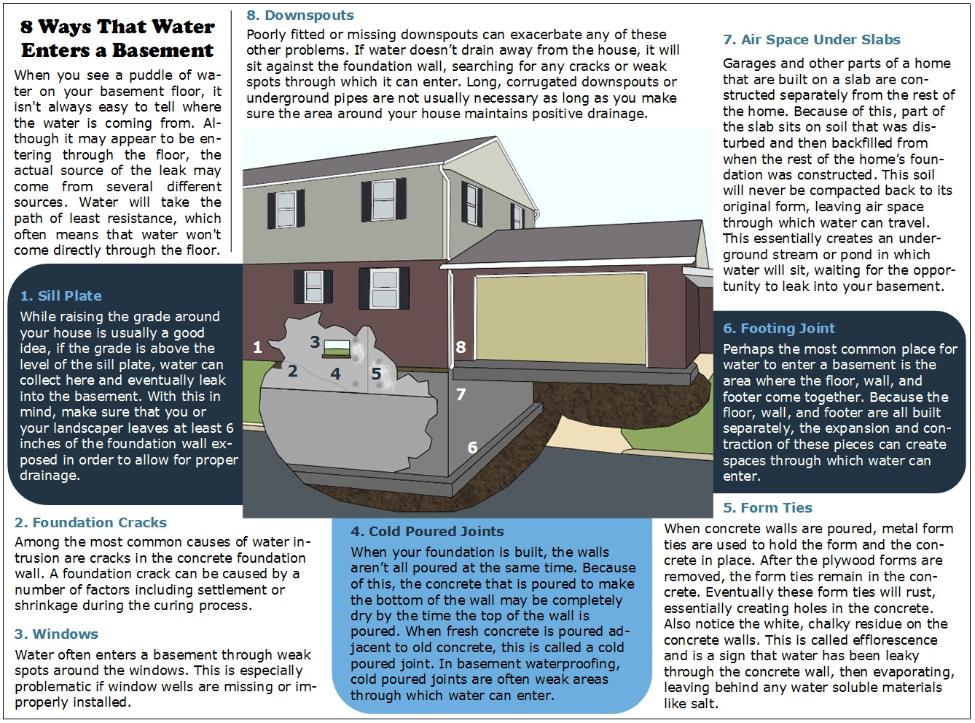
Here's the thing: if your yard slopes towards your foundation, or if your gutters are clogged and overflowing, that water is going to pool. And water, being the persistent little so-and-so it is, will find any crack or crevice to exploit. Seriously, any. Think of it as water's version of a treasure hunt, except the treasure is your dry storage space.
Gutters are your first line of defense. Make sure they're clean and that downspouts direct water away from your foundation. Ideally, extend those downspouts! The further away the water is channeled, the better.
And speaking of channeling water, what about the grade of your yard? Is it sloping away from your house? If not, you might need to consider some landscaping to correct it. This might sound like a big project (and sometimes it is!), but trust me, it's cheaper than dealing with a flooded basement. Plus, you get to play in the dirt! Who doesn't love that?
The Sneaky Culprits: Groundwater
Okay, so what if you’ve got your surface water game on lock? Gutters are pristine, yard slopes beautifully. You're feeling smug. Don't get too comfortable. There's another player in the game: groundwater.
Groundwater is water that’s, well, in the ground. Obvious, I know. But here's the kicker: the water table (the level of groundwater) fluctuates depending on rainfall, seasons, and even your neighborhood's drainage system. If the water table rises high enough, it can put pressure on your basement walls and floor. And guess what? Water pressure is a real buzzkill for concrete.
That pressure can force water through cracks in your foundation, even tiny ones you can barely see. It can also seep through porous concrete. Basically, your basement becomes a giant sponge. Not a fun sponge.
This is where things get a little more complicated. Dealing with groundwater often requires professional help. Things like sump pumps (your basement's personal bailing system) and waterproofing (think of it as a raincoat for your foundation) become essential.
The Unexpected Culprits: Plumbing & Condensation
Believe it or not, the problem might not even be coming from outside. Sometimes, the culprit is lurking inside your own home.
Leaky pipes, especially those hidden behind walls or under floors, can cause a slow, insidious leak that eventually manifests as a damp or flooded basement. Regularly check for signs of leaks – water stains, musty smells, and unexplained spikes in your water bill.
And let's not forget about condensation. In humid climates, condensation can build up on cold basement walls and floors, leading to dampness and mold growth. A dehumidifier can be a lifesaver in this situation. Think of it as a thirsty robot, sucking up all that unwanted moisture.
So, What Can You Do?
Okay, so you're probably feeling a little overwhelmed. But don't despair! The key is to be proactive. Regularly inspect your foundation for cracks, keep your gutters clean, and make sure your yard slopes away from your house. And if you suspect a groundwater problem, call in the pros. It's better to be safe than sorry (and soaked!).
A dry basement is a happy basement (and a happy you!). So, get out there and wage war on that water!