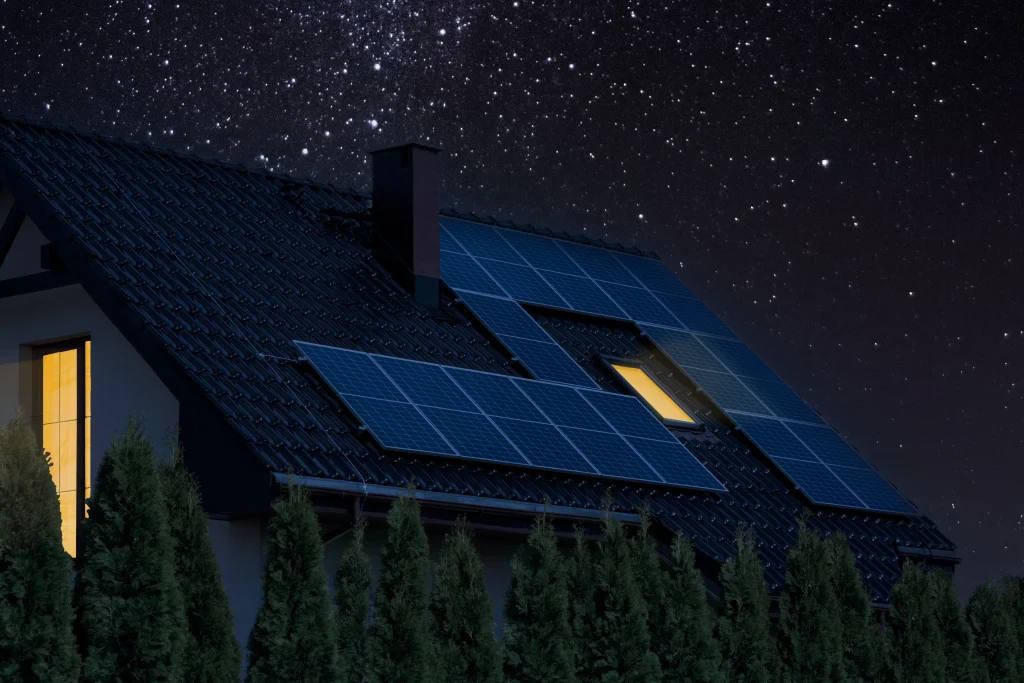
Okay, let's be real. We've all been there, staring blankly at our solar panels at night, wondering, "Are these things just glorified dust collectors after sunset?" You're sipping your evening tea, the moon's out, and you're silently judging your roof for its daytime overachievement. Where's all that stored sunlight magic, huh?
The short, slightly unsatisfying answer is: on their own, they don't. Think of your solar panels like little sun-loving vampires. They only work when the big, bright light in the sky is shining. But don't despair! This doesn't mean you're plunged into darkness every evening like you're living in a pre-electricity era. There are ways to trick the system and have your solar power pulling its weight even when the sun's hit the snooze button.
The Battery Backup Bandwagon
This is probably the most obvious solution, and honestly, the one that makes the most intuitive sense. Batteries are like the energy storage equivalent of that giant Tupperware container you use to hoard leftovers. Only instead of lasagna, they're storing electricity.
During the day, when your solar panels are happily soaking up the sun's rays like a lizard on a hot rock, they generate electricity. Any electricity you don't use immediately gets diverted to charge up your battery bank. Then, when night falls (or during a power outage – bonus!), your home starts drawing power from those batteries instead of the grid. It's like having your own personal power plant chilling in your garage. Pretty neat, right?
Think of it this way: Your solar panels are the chefs, cooking up delicious energy. Your batteries are the fridge, keeping that energy fresh for later. And your house is, well, your eternally hungry stomach. Get it?
Net Metering: Sharing is Caring (and Profitable!)
Now, let's say you're not quite ready to invest in a whole battery system. Maybe you're more of a "sharing is caring" kind of person. That's where net metering comes in. This is a system where you're basically buddies with your local power company.
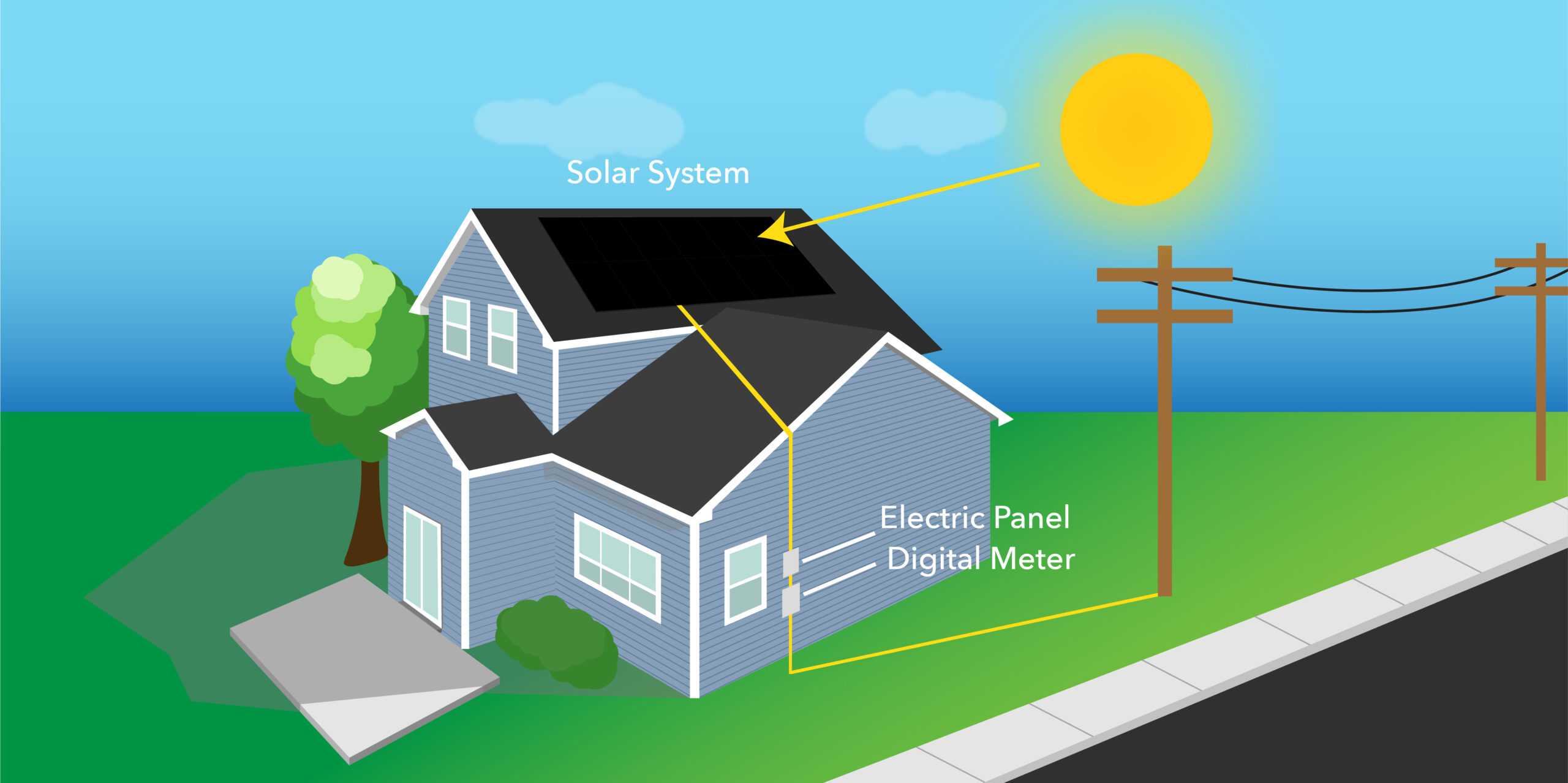
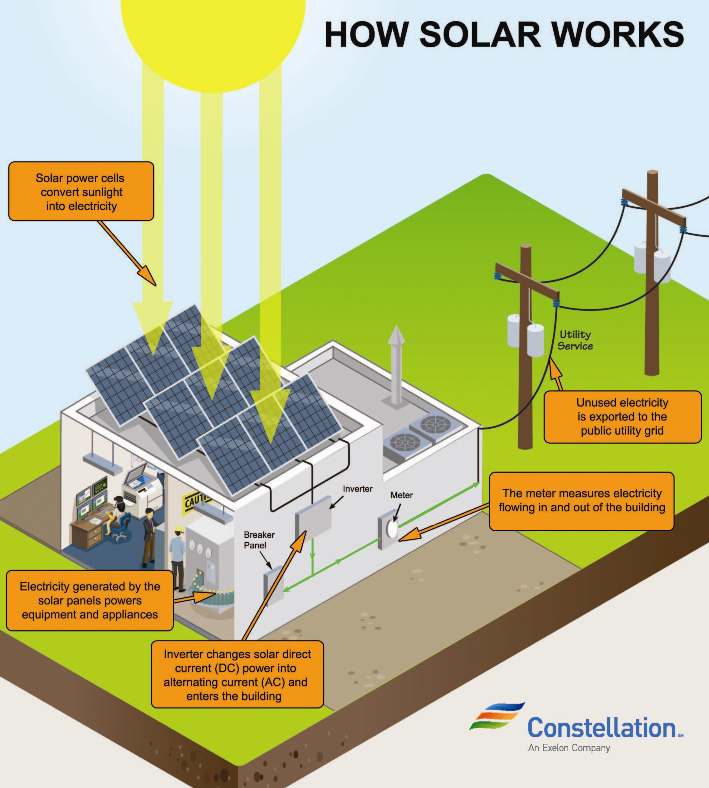
Throughout the day, if your solar panels are generating more electricity than you're using (think of it as making too much lemonade for yourself), that excess energy gets sent back to the grid. It's like pouring the extra lemonade back into the big lemonade jug for everyone to share. The power company then credits your account for the energy you provided.
Here's the kicker: At night, when your solar panels are taking a nap, you draw electricity back from the grid. This time, instead of paying the full retail price for that electricity, you get to use the credits you earned during the day. It's like trading lemonade for, say, the privilege of watching late-night TV without feeling guilty about your carbon footprint. Pretty sweet deal, huh?
Net metering policies vary depending on where you live, so it's worth doing a little research to see what the rules are in your area. But generally, it's a fantastic way to make the most of your solar power system, even when the sun's gone to bed.
Solar Isn't Just for Sunny Days
So, even though your solar panels can't magically whip up electricity from moonlight, they're still working hard to keep your home powered around the clock. Whether it's through a battery backup system or a net metering agreement, you can rest easy knowing that your solar investment is paying off, day and night. And that's a pretty good feeling, even if you are just staring at your roof and wondering what they're *really* doing up there.
Remember, investing in solar power is like planting a tree. You might not see the immediate benefits, but future you (and the planet) will thank you for it. Plus, you get to feel smug about being environmentally conscious. And who doesn't love a little smugness?