
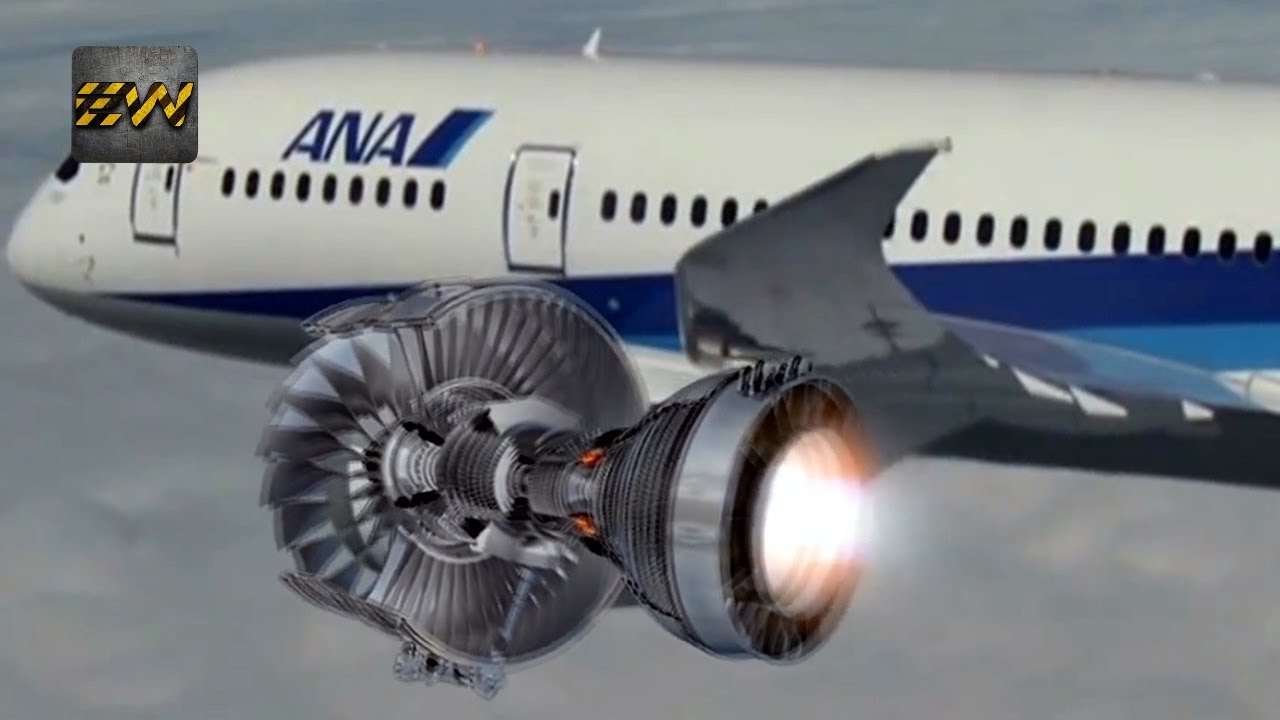
Ever looked up at a plane soaring through the sky and wondered, "How on earth does that thing stay up there?" We often take flight for granted, but the engineering marvel that is the aeroplane engine is truly fascinating. Understanding how it works isn't just for engineers; it's a journey into the heart of physics, mechanics, and a little bit of controlled explosions!
At its core, the aeroplane engine serves one vital purpose: to generate thrust. This thrust is the force that pushes the aircraft forward, overcoming drag (air resistance) and allowing the wings to create lift. Think of it like paddling a canoe – the engine is the paddle, pushing the plane through the "water" of the air. Without a powerful and reliable engine, aeroplanes would be nothing more than oversized gliders.
The benefits are obvious. Aeroplane engines enable us to travel vast distances in a fraction of the time it would take by sea or land. They connect families, facilitate global trade, and allow for the rapid deployment of aid and resources during emergencies. Imagine a world without air travel – our world would be significantly smaller and far less interconnected.
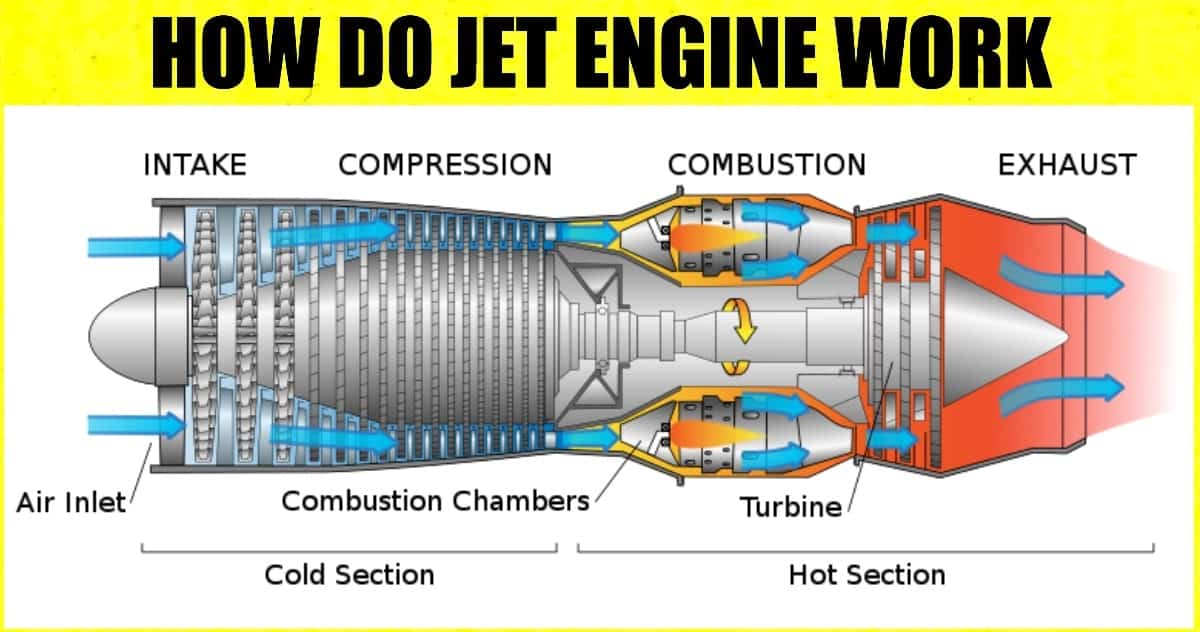
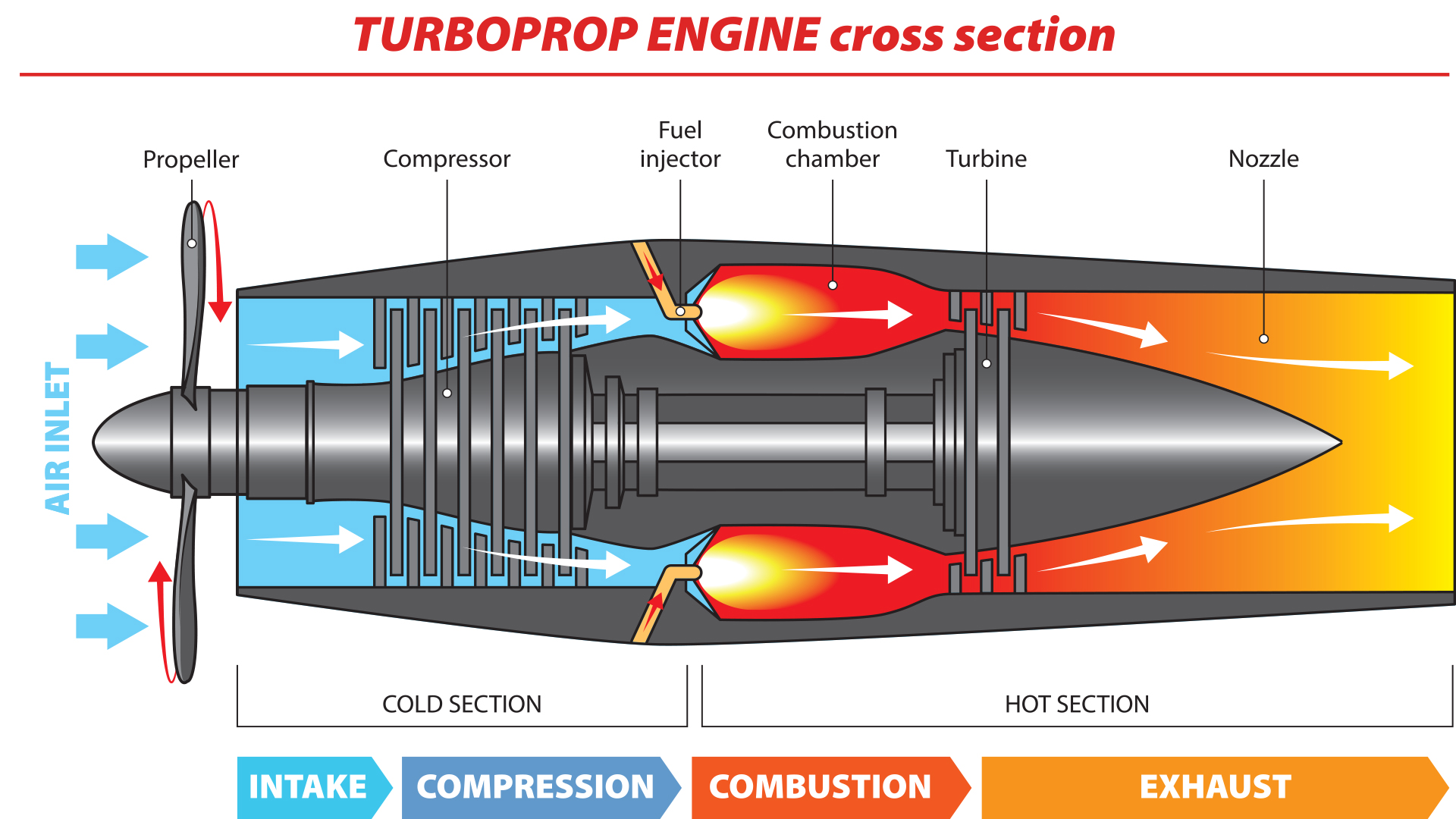
Let's break down the basics. Most commercial aeroplanes use jet engines, which operate on a principle called the Brayton cycle. This cycle involves four main stages: intake, compression, combustion, and exhaust. First, air is sucked into the engine. Then, it's compressed to incredibly high pressures. Next, fuel is injected and ignited in a combustion chamber, creating a powerful explosion. Finally, the hot, expanding gases are forced out the back of the engine, generating thrust.
You might think, "That sounds complicated!" And yes, the specifics are intricate. But the basic principle is surprisingly straightforward. It's like a controlled explosion continuously happening, pushing the plane forward. There are different types of jet engines too, like turbofans (which are very common in airliners) that use a large fan at the front to suck in more air, improving efficiency.
Understanding aeroplane engines isn't just theoretical. It has practical applications too! In education, it’s a fantastic way to illustrate principles of physics, thermodynamics, and engineering design. Teachers can use simplified engine models to demonstrate the Brayton cycle or explain the role of different engine components. In daily life, understanding the basics can help you appreciate the complexity and ingenuity behind air travel, making your next flight a little more interesting.
So, how can you explore this further? There are tons of resources available! Look for online simulations of jet engines – many websites offer interactive models that allow you to adjust parameters and see how they affect performance. You can also find documentaries and educational videos that explain the inner workings of aeroplane engines in detail. Another fun option is to visit an air and space museum, where you can often see real engines up close and learn about their history and development. You can even find simplified model engines that you can build yourself. The most important thing is to stay curious and keep asking questions!
:max_bytes(150000):strip_icc()/jet-engine--155431200-5c3ba60bc9e77c0001043e24.jpg)
