Ever wonder how hurricanes get those catchy names? It's not just some random person picking their favorite flower or pet! There's actually a whole system behind it, and it's surprisingly interesting. Think of it as a high-stakes naming convention, only instead of choosing a baby name, you're naming a potentially destructive force of nature.
A Brief History of Hurricane Names (Spoiler Alert: It Was All Men!)
Back in the day, meteorologists weren't so organized. They'd often refer to hurricanes by things like the year they occurred or the location they hit. Imagine trying to remember "The Great Galveston Hurricane of 1900" – that's a mouthful! Things got a bit more creative when Clement Wragge, an Australian weatherman, started using women's names for cyclones. Yeah, you read that right. Women's names. Yikes. It wasn't exactly a compliment; he apparently used names of people he didn't like! Awkward.
The U.S. Army and Navy followed suit during World War II, using female names alphabetically. So, the first hurricane would be "Able," the second "Baker," and so on. This system stuck around for a while. Can you imagine tracking a storm called "X-Ray"? Sounds like something out of a spy movie!
Finally, Equality! Hurricane Names for Everyone!
Thankfully, things evolved. In 1979, the World Meteorological Organization (WMO) stepped in and decided it was time to mix things up. They started using both male and female names. Hooray for equality! Now, hurricane names reflect a broader range of cultures and languages. That’s why you might see names like “Henri,” “Idalia,” or “Omar” on the list.
The Lists: Like a Hurricane Name Generator in Real Life
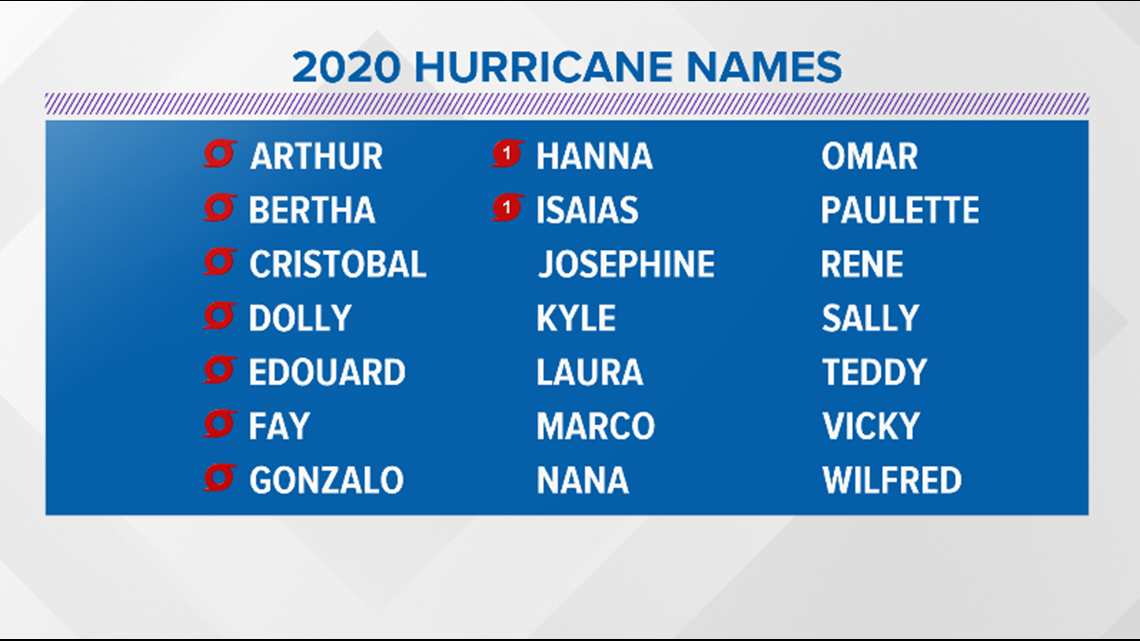
The WMO maintains six rotating lists of names. Each list contains 21 names, skipping letters like Q, U, X, Y, and Z to avoid any pronunciation issues. So, every year, they cycle through one of these lists in alphabetical order. Think of it as a meteorological playlist. The first storm of the year gets the first name on the list, the second storm gets the second name, and so on.
For example, let’s say the first hurricane of the year is named "Alex." The next one might be "Bonnie," followed by "Colin," and so on. It's a pretty straightforward system. These lists are reused every six years, unless… dun dun dun…
The Hall of Shame: Retiring the Most Notorious Names
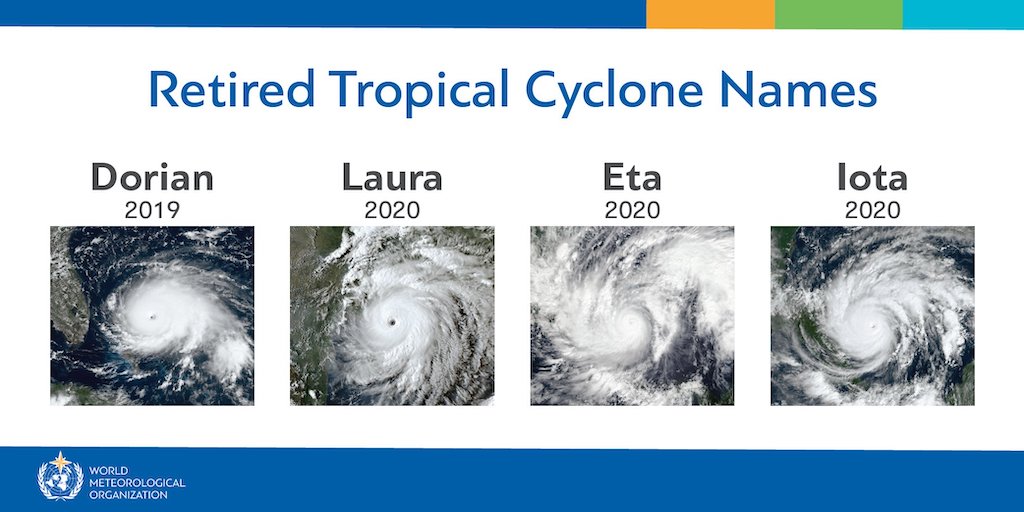
Here’s where it gets interesting! If a hurricane is particularly devastating, its name gets retired. This means that the name will never be used again out of respect for the victims and to avoid any insensitivity. Think of it as the hurricane naming hall of shame! Katrina, Irma, Harvey – these are names that will forever be associated with destruction and loss. When a name is retired, the WMO replaces it with a new one, ensuring that the lists stay complete.
Imagine being the person who gets to pick the replacement name! Talk about pressure! You have to choose something that's culturally appropriate, easy to pronounce, and doesn't have any negative connotations. It's a tough job, but someone's gotta do it.
Why All This Fuss About Names?
So, why bother with all this naming stuff? Well, it makes it a lot easier to track and communicate about hurricanes. Imagine trying to tell everyone about “The Hurricane That Formed Near the Coast of Africa on August 15th and is Headed Towards Florida.” That's not very catchy, is it? A short, memorable name like "Franklin" makes it easier for the media, emergency responders, and the public to stay informed and take necessary precautions. It’s all about clarity and efficiency.
Plus, let's be honest, it adds a little bit of drama to the whole thing. It's like giving a face to the storm. It might sound strange, but it helps people take it more seriously. It's way more impactful to hear "Hurricane Idalia is approaching" than just "There's a big storm coming."
So, next time you hear about a hurricane brewing in the Atlantic, take a moment to think about the name. It's not just a random word; it's part of a long and fascinating history. And who knows, maybe one day your name will be on the list… (hopefully not retired, though!)
Want to dive deeper? Check out the World Meteorological Organization's website. You might be surprised at how much there is to learn about these powerful storms and the system used to name them.