Alright, settle in, settle in! Grab your virtual coffee (or something stronger, I’m not judging), because we’re about to dive into the surprisingly exciting world of hardening stainless steel. Now, before you think this is some kind of dry metallurgy lecture, picture this: you’re a medieval blacksmith, but instead of hammering swords, you’re trying to figure out how to make your stainless steel butter knife *extra* stabby… I mean, durable. Let's begin!
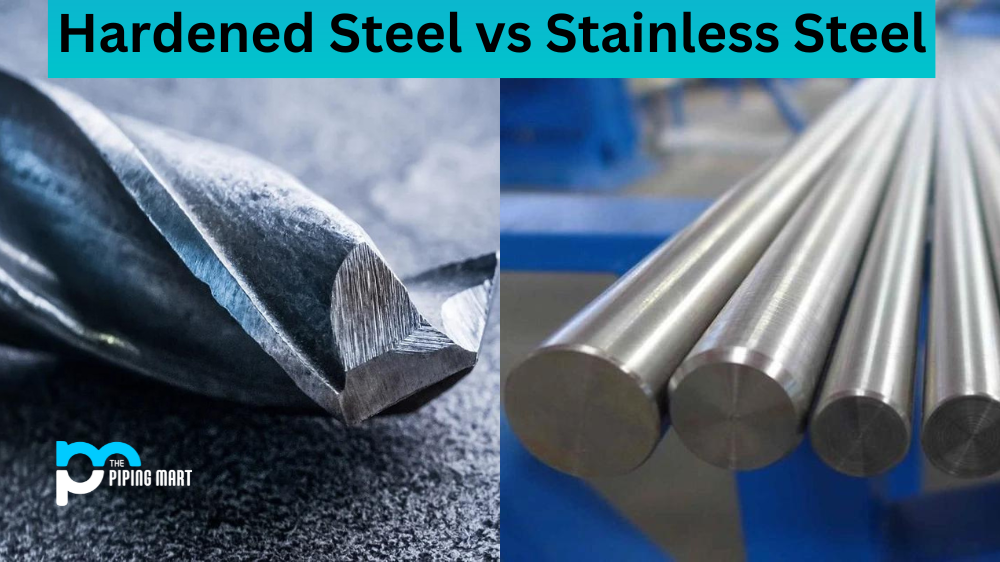
So, the big question: Can you even harden stainless steel? Well, the answer is a resounding "It depends!" Sounds like a lawyer, right? Basically, not all stainless steel is created equal. Some types respond to hardening treatments like a champ, while others are more… well, let’s just say they’d rather stay soft and pliable, thank you very much. Think of it like cats – some love a good belly rub, others will claw your eyes out. Stainless steel is the same way.
The Hardening Heroes: Martensitic and Precipitation Hardening Stainless Steel
Now, the stars of our hardening show are two main types of stainless steel: Martensitic and Precipitation Hardening (PH). These are your rockstars, the ones that actually respond to treatment and come out stronger, like Popeye after a can of spinach (but, you know, less green).
Martensitic stainless steel is like that friend who’s always ready for a fight (a metaphorical fight, of course... mostly). It’s all about heat treatment. You heat it up to a super high temperature, then rapidly cool it down – a process called quenching. Imagine throwing a hot horseshoe into a bucket of ice water. That rapid temperature change rearranges the steel's internal structure, making it harder and stronger. Think of it as giving the steel a serious existential crisis that forces it to get its act together. The downside? It can also become more brittle. So, it's a delicate balance, like trying to carry a stack of pancakes uphill in a hurricane.
Precipitation Hardening stainless steel is a bit more sophisticated. It’s like that friend who secretly works out every day and then casually mentions they can lift a car. With this type, you introduce tiny little particles (called precipitates, shockingly enough) into the steel's structure. These particles act like tiny roadblocks, preventing the steel from deforming easily. Think of it like filling a room with bouncy castles – sure, you can still move around, but it’s going to be a lot harder to knock anything over. This method usually involves a lower temperature aging process that allows these precipitates to form gradually, making the steel stronger without as much risk of brittleness. It’s the slow and steady wins the race approach to hardening.
The Non-Hardening Hopefuls: Austenitic Stainless Steel
Now, let's talk about the group that *doesn't* play along nicely: Austenitic stainless steel. This is your typical kitchenware stainless steel, like what your sink is probably made of. It’s the most common type, and it's known for its excellent corrosion resistance. But, alas, it doesn't respond well to traditional hardening methods like heat treatment. It's like trying to teach a goldfish to ride a bicycle. You can try, but you're not going to get very far.
However, don't despair! Even though you can't heat-treat Austenitic stainless steel to make it significantly harder, there's still hope! You can use a process called cold working. This involves physically deforming the metal, like hammering or rolling it at room temperature. This process introduces imperfections into the steel's crystal structure, which increases its strength and hardness. It's like the steel is saying, "Okay, you want to make me stronger? Fine, I'll just get all stressed out and become a hardened version of myself!" The downside is that it also makes the steel less ductile, meaning it becomes harder to bend or shape.
So, How Do You Actually *Do* It? (The Slightly Less Funny, But Still Important Part)
Okay, enough with the metaphors. Let's get down to brass tacks. If you're dealing with Martensitic or PH stainless steel, the hardening process generally involves these steps:
- Solution Treatment: Heating the steel to a high temperature to dissolve any existing precipitates or unwanted phases. Think of it as clearing the board before you start a game.
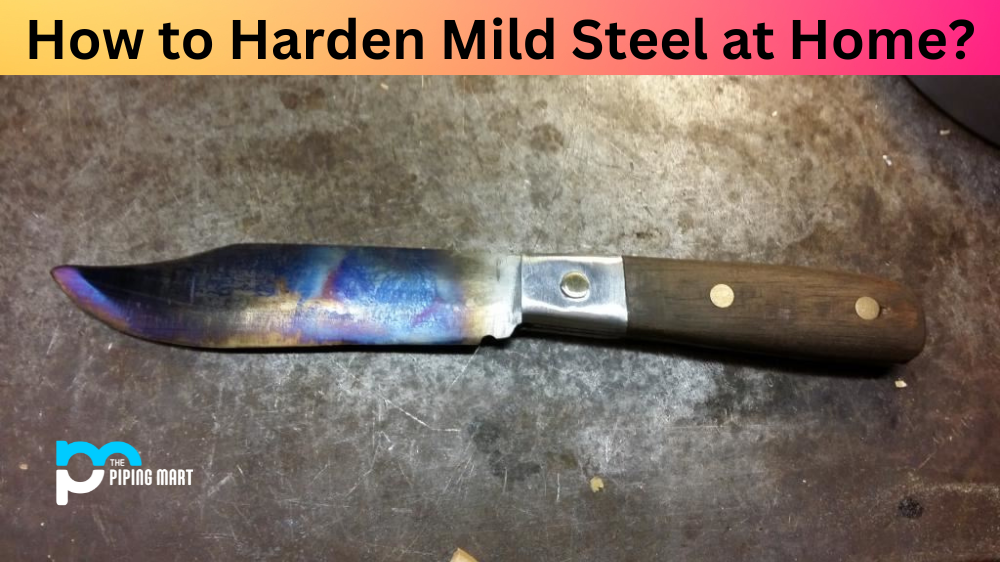
- Quenching (for Martensitic): Rapidly cooling the steel, usually in oil, water, or air. This is the shock to the system that transforms the steel's structure.
- Aging (for PH): Heating the steel to a lower temperature for a specific period of time. This allows the precipitates to form and strengthen the steel. It's like letting a cake bake to perfection.
- Tempering (Optional): Heating the steel to a moderate temperature to reduce brittleness and improve toughness. This is like adding frosting to the cake – it makes it more enjoyable to eat (or, in this case, use).
Important Note: These are general steps, and the specific temperatures and times will vary depending on the type of stainless steel and the desired properties. Always consult the manufacturer's specifications or a qualified metallurgist! Seriously, don't just wing it. You could end up with a pile of scrap metal and a very disappointed face. I am not responsible for you messing up your butter knife! (But I would like to hear the story.)
So, there you have it! A slightly-less-than-serious but hopefully informative guide to hardening stainless steel. Now go forth and make some strong stuff! Or, you know, just appreciate the science behind your cutlery. Either way, you're now slightly more knowledgeable about the wonderful world of metallurgy. Cheers!