Alright, settle in, folks! Let's talk about the thrilling, edge-of-your-seat topic of… charging your car battery. I know, I know, it sounds about as exciting as watching paint dry, but trust me, it doesn't have to be. Think of this as preventing a really bad hair day when you're already late for a very important date. Nobody wants that, right?
So, your car battery is flatter than a pancake after a steamroller convention. What do you do? Well, you've got a few options, each with its own level of drama and potential for mild electrocution (kidding…mostly!).
Option 1: The Jumper Cable Jig
This is the classic, the OG, the "I've seen this in every movie ever" method. You need two things: jumper cables and a willing participant with a working car. Preferably someone you haven't recently angered by, say, accidentally denting their fender with a rogue shopping cart.
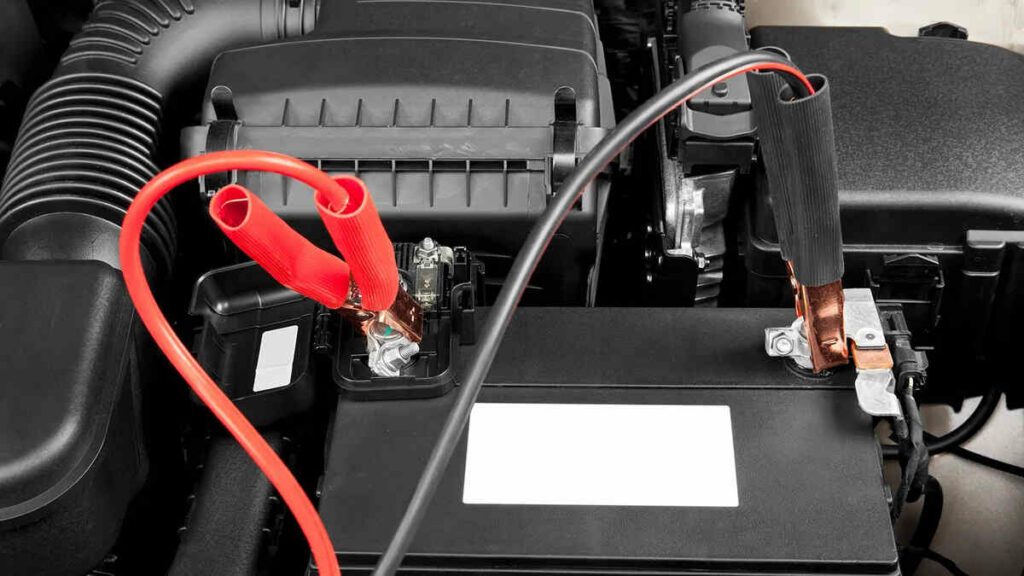
Here's the drill: Park the good car facing the bad car. Pop both hoods. (If you can't find the hood latch, maybe skip this and call a professional. Just a thought.) Now, the fun part: connecting the cables! Always remember the cardinal rule: red to positive, black to negative. Think of it like good and evil, right and wrong, up and down. Mess this up, and you might see some sparks. And not the romantic kind.
Connect the red clamp to the positive (+) terminal on the dead battery. Then, connect the other red clamp to the positive (+) terminal on the good battery. Next, connect the black clamp to the negative (-) terminal on the good battery. Finally (and this is important!), connect the last black clamp to an unpainted metal surface on the dead car, away from the battery. This grounds the circuit and prevents any…unpleasant surprises.
Now, have your willing participant (who hopefully hasn’t run screaming at this point) start their car and let it run for a few minutes. This is like giving your dead battery a little jumpstart of hope. Then, try starting your car. If it sputters to life, congratulations! You're a temporary automotive hero! If not, wait a bit longer, rev the good car's engine slightly (because drama!), and try again.
Once your car is running, carefully disconnect the cables in the reverse order you connected them. Let your car run for at least 20 minutes to give the battery a decent charge. Don't just drive around the block. Go for a real drive, like you're escaping a zombie apocalypse. The longer you drive, the better the charge. And, you know, you get to practice your zombie escape route.
Option 2: The Portable Jump Starter Power Play
Think of this as the jumper cable jig's cooler, more independent cousin. A portable jump starter is basically a giant power bank specifically designed for car batteries. No need to beg favors from neighbors or risk awkward small talk with strangers! (Unless you *want* awkward small talk. No judgment here.)
Using a jump starter is pretty straightforward. Just connect the clamps to the battery terminals – again, red to positive, black to negative. Most jump starters have built-in safety features to prevent you from messing up, but still, pay attention! Nobody wants to accidentally create a small black hole in their driveway.
Once connected, turn on the jump starter and try starting your car. If it works, hooray! Disconnect the jump starter and let your car run for a while to recharge the battery. If it doesn't work, double-check the connections and try again. If it *still* doesn't work, your battery might be beyond saving. It's time to call in the professionals.
Option 3: The Battery Charger Boogie
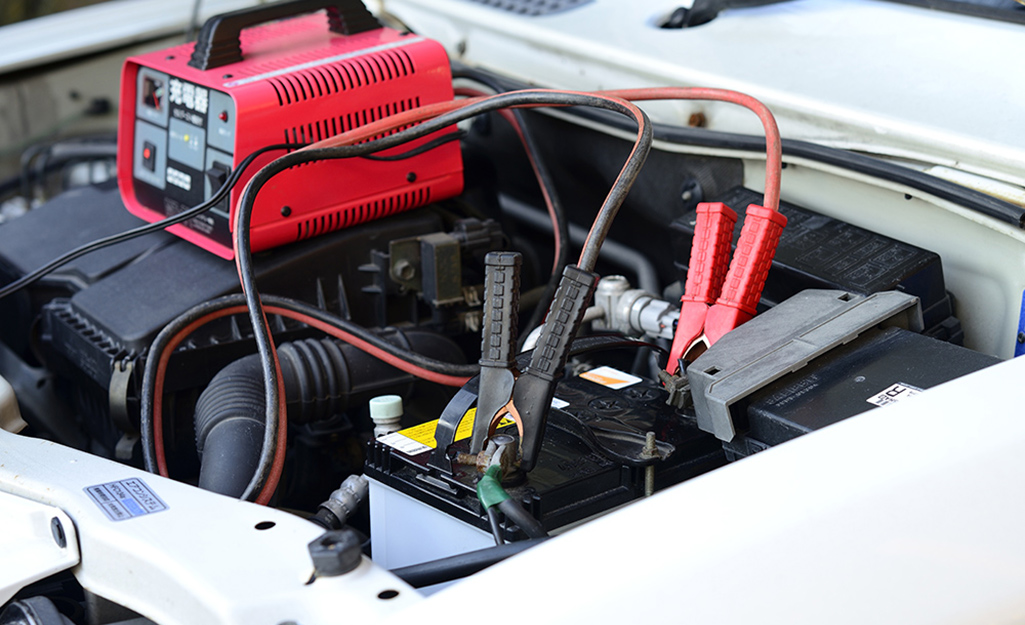
This is the slow and steady wins the race option. A battery charger is a device that slowly replenishes the battery's charge over several hours. It's like giving your battery a spa day, only instead of cucumber slices, it's getting electricity.
To use a battery charger, you'll need to disconnect the battery cables from the terminals (negative first!). Then, connect the charger clamps – you guessed it, red to positive, black to negative. Plug in the charger and set it to the appropriate voltage and charging rate. Consult your car's manual or the charger's instructions for the correct settings. Overcharging your battery can be bad, m'kay?
Now, just wait. And wait. And wait some more. Battery chargers typically take several hours to fully charge a battery. It's the perfect opportunity to catch up on your favorite Netflix shows, learn a new language, or finally organize that sock drawer. Just don't forget about your battery! Once it's fully charged, disconnect the charger and reconnect the battery cables (positive first!).
Important Tidbits (because safety first!)
- Always wear safety glasses and gloves when working with car batteries. Battery acid is not your friend.
- Never smoke or use open flames near a car battery. Batteries can produce flammable gases.
- Make sure your car is in park or neutral with the parking brake engaged before attempting to jump-start or charge the battery.
- If you're unsure about anything, call a professional mechanic. Seriously. It's better to be safe than sorry (and stranded on the side of the road in your zombie escape outfit).
So, there you have it! The not-so-secret secrets of charging your car battery. Now go forth and conquer the road…just don't forget to check your battery every now and then!