Ever feel that pang of dread when your phone battery dips into the red while you're, say, camping under a starlit sky, miles away from a wall outlet? Or maybe you're on a road trip, desperately needing to power your laptop to finish that presentation before you reach your destination? That's where the magic of a power inverter comes in! It's like having a portable power station, turning the direct current (DC) from your car battery or other source into the alternating current (AC) your everyday devices need. So, how do you actually charge this awesome gadget? Let's dive in!
First things first, let's understand what a power inverter actually does. Think of it as a translator. Your car battery speaks in DC, which is like a simple, steady stream of power. Your phone charger, laptop power adapter, and even some small appliances speak in AC, a more complex wave of power. The inverter bridges that language gap, taking the DC input and converting it to the AC output you need to power your devices. This is incredibly useful for anyone on the go, whether you're a weekend warrior, a van-life enthusiast, or just someone who wants a little extra power during a blackout.
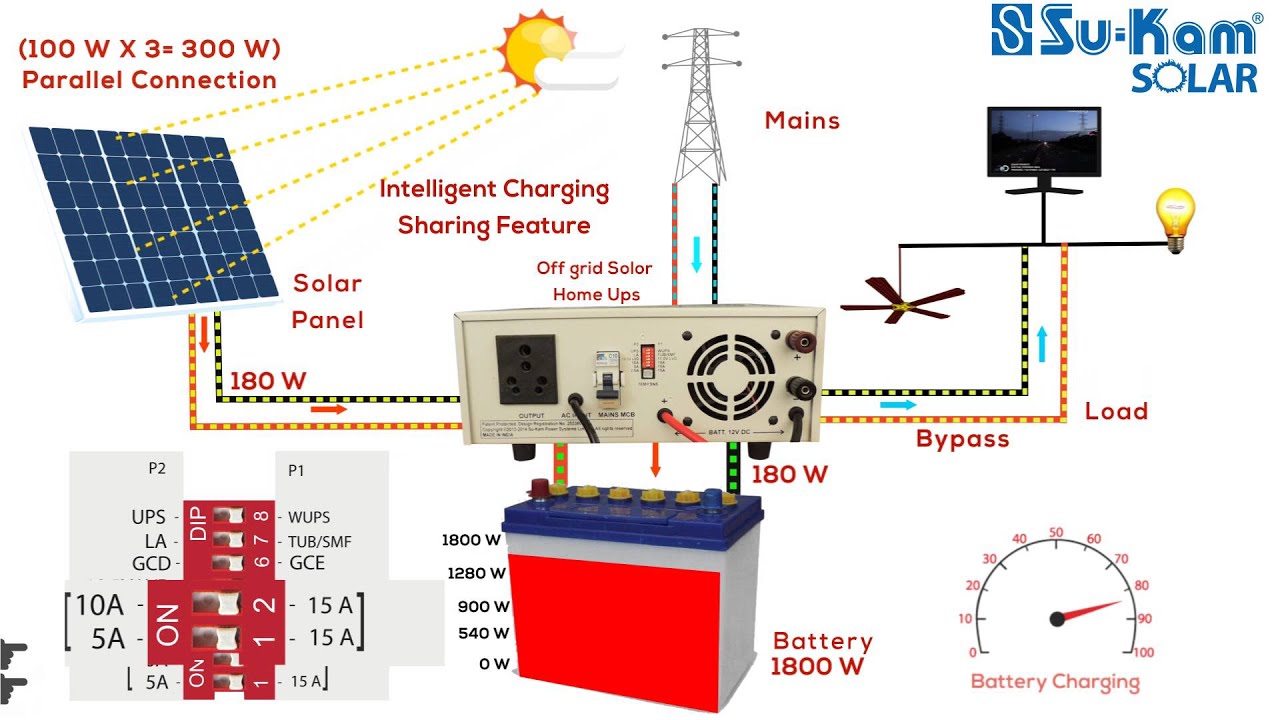
Now for the juicy part: charging your power inverter. Actually, you don't directly *charge* the inverter itself like you would a phone. Instead, you power it by connecting it to a DC power source. The most common source is your car battery. Here’s the breakdown:
1. The Cigarette Lighter Method (Simple, but Limited): For smaller inverters (usually under 150-200 watts), you can often plug them directly into your car's cigarette lighter socket (or accessory outlet). This is super convenient for charging phones, tablets, and other low-power devices. Just remember, this method has limitations. Drawing too much power through the cigarette lighter can blow a fuse. Check your car's manual and the inverter's specifications to ensure compatibility and avoid overloading the circuit.
2. Direct Battery Connection (For Serious Power): For larger inverters (over 200 watts), you'll need to connect directly to your car battery. This is a more powerful and reliable method but requires a little more effort. Safety first! Always disconnect the negative terminal of your car battery before making any connections. The inverter will come with cables – typically a red (positive) and a black (negative) one. Connect the red cable to the positive terminal of your battery and the black cable to the negative terminal. Make sure the connections are secure and tight. Refer to the inverter's manual for specific instructions and safety precautions.
Important Considerations:
- Battery Drain: Using a power inverter will draw power from your car battery. Avoid draining your battery completely, especially if you're relying on it to start your car. Periodically start your engine to recharge the battery.
- Inverter Size: Choose an inverter that meets your power needs. Overloading an inverter can damage it and the devices you're trying to power. Check the wattage requirements of your devices and select an inverter with a higher wattage rating.
- Safety First: Always follow the manufacturer's instructions and safety guidelines. Use appropriate gauge wiring for your inverter to prevent overheating and potential fire hazards.
So, there you have it! Charging, or rather, powering a power inverter is straightforward. With the right setup, you can enjoy the convenience of AC power wherever you go. Now go forth and conquer those dead batteries and power up your adventures!