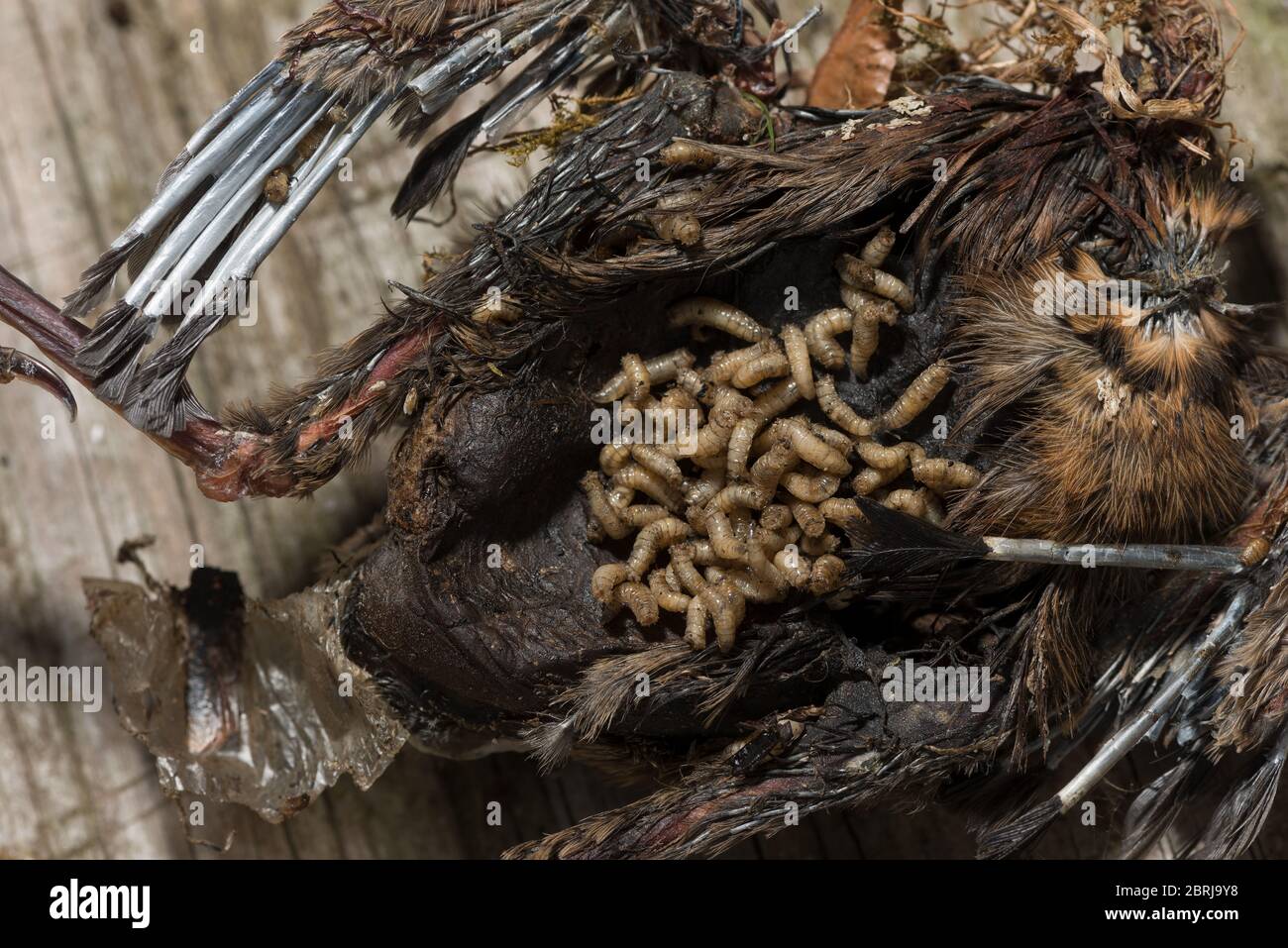
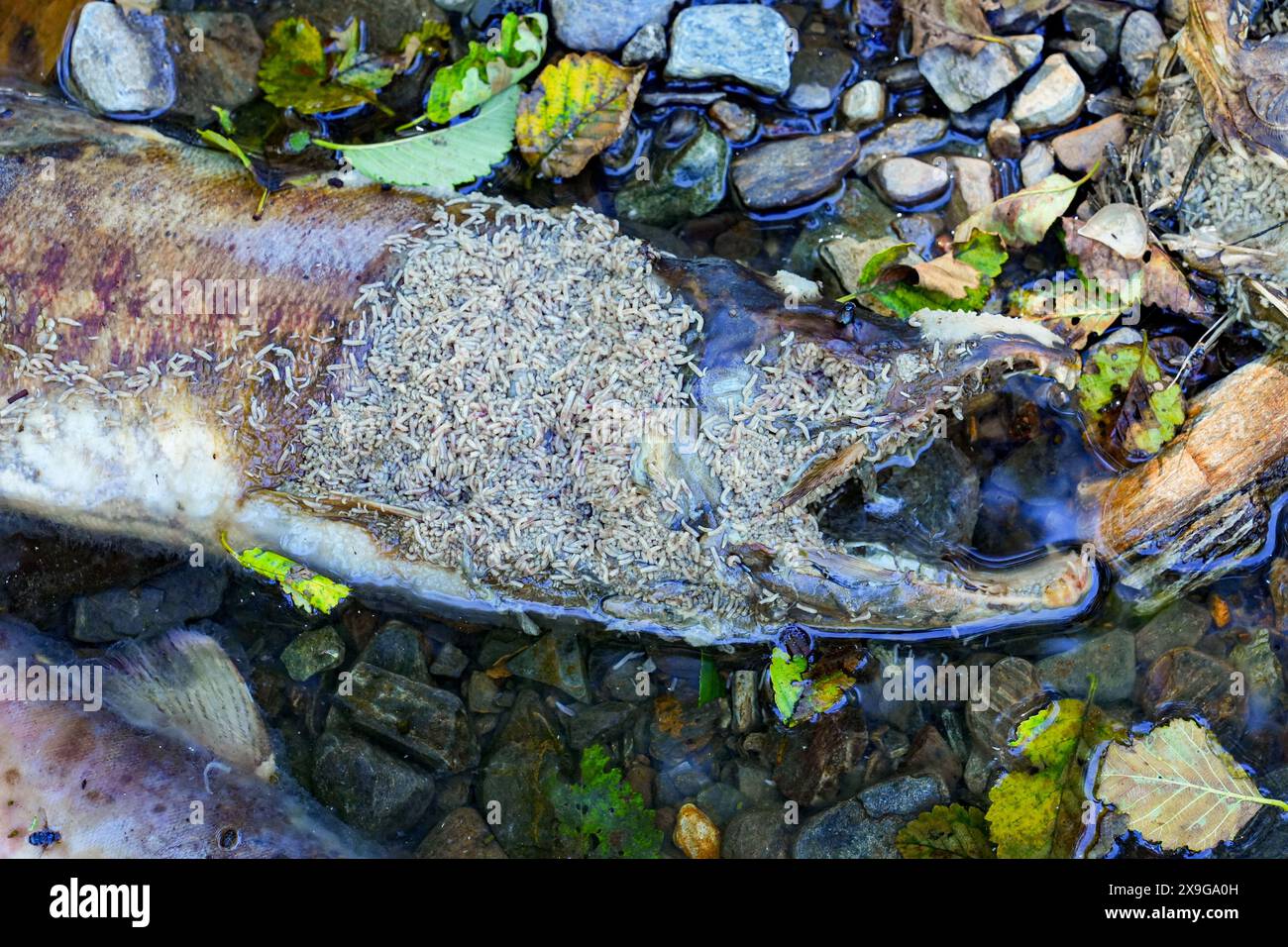
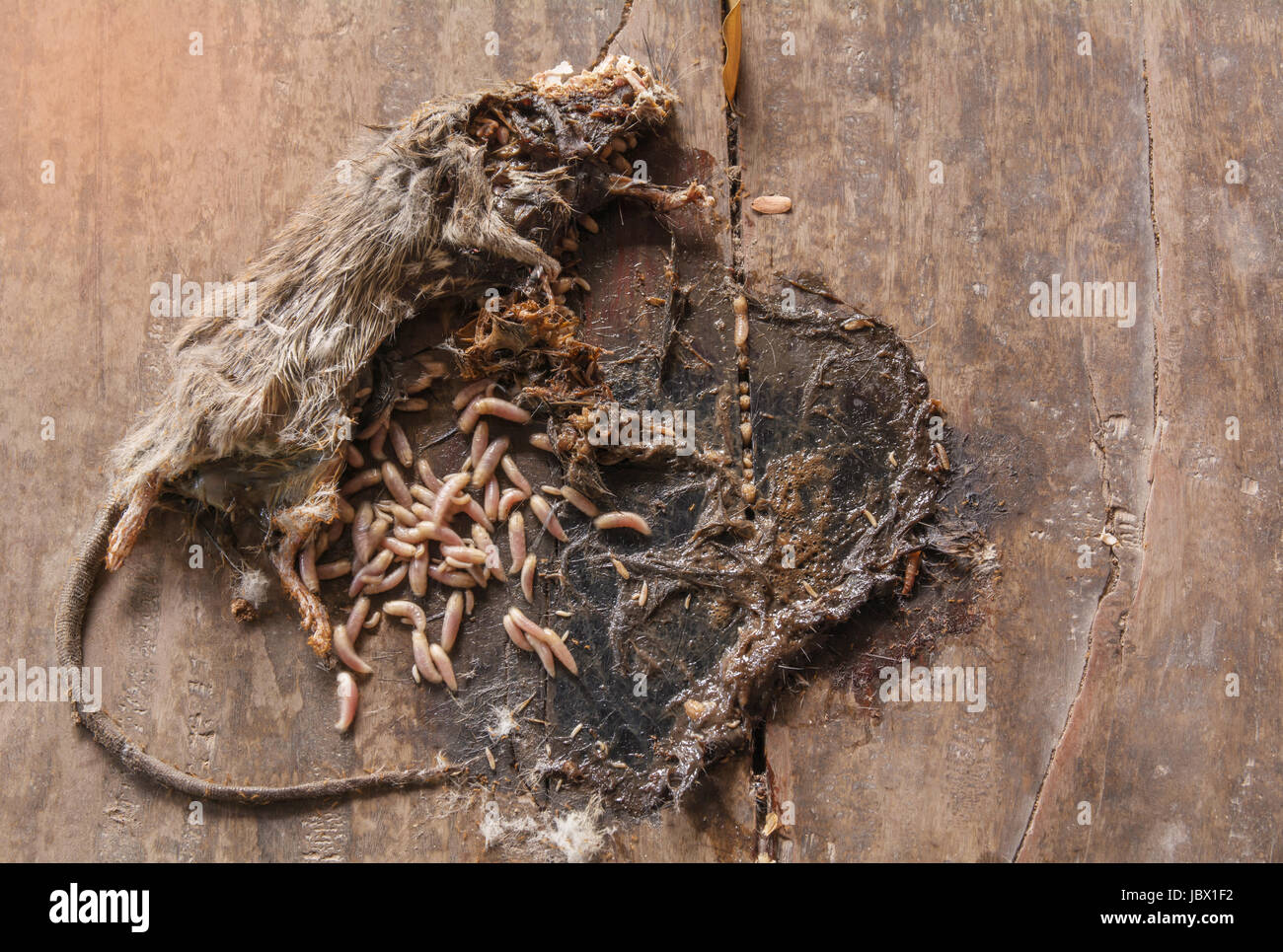
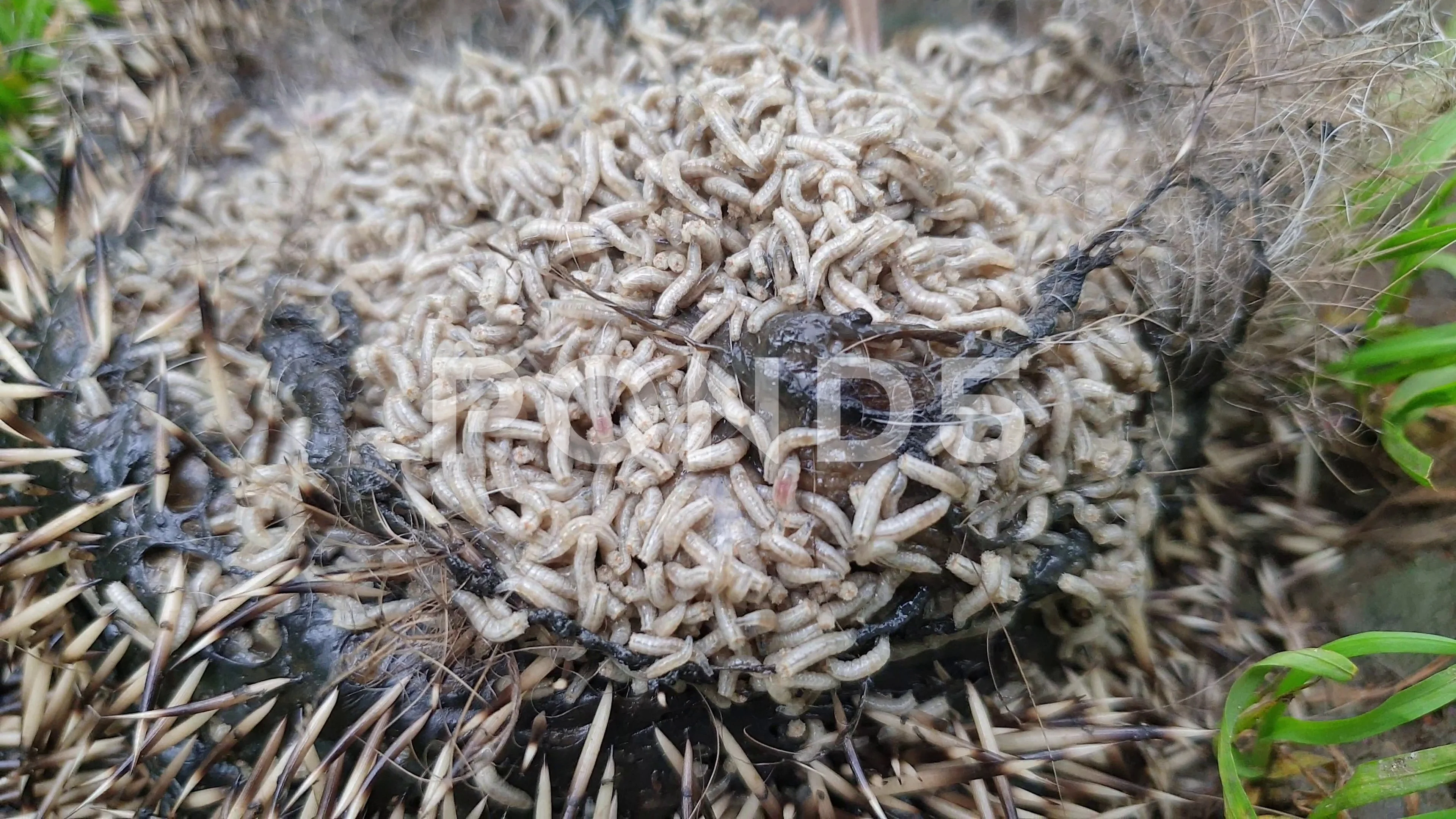
Okay, I know what you're thinking: maggots? On dead bodies? How is *that* interesting, let alone inspiring? But stick with me! Think of it as forensic entomology for the creatively curious. From the chilling realism in crime dramas to the intricate details in a gothic novel, understanding the life cycle of a fly and its larvae plays a surprisingly large role in our cultural landscape. It's a bit morbid, sure, but also fascinating – and surprisingly useful for artists, writers, and even the perpetually inquisitive.
So, what's in it for you? Well, for artists, understanding the decomposition process, including the role of maggots, allows for greater accuracy in depictions of decaying subjects. Imagine painting a post-apocalyptic scene or sculpting a zombie; knowing the specific appearance and behavior of insects at different stages of decomposition can add a chilling layer of realism. For writers, this knowledge can elevate your storytelling. A detective novel, a historical fiction piece set during a plague – the possibilities are endless! Even for the casual learner, understanding the science behind decay offers a unique perspective on life, death, and the interconnectedness of ecosystems. It's a powerful reminder of nature's efficiency and the cyclical nature of existence.
Consider, for example, the work of special effects makeup artists. They rely heavily on replicating the textures and colors associated with decomposition, often including realistic-looking maggots. In literature, think of Edgar Allan Poe’s vivid descriptions of death and decay. While he might not have been a forensic entomologist, he intuitively understood the unsettling imagery associated with it. In visual art, artists like Damien Hirst have explored themes of mortality and decay, though often in a more abstract way. Even in photography, macro shots of insects can be incredibly striking and thought-provoking.
Now, before you start cultivating a maggot farm in your backyard, let's be clear: I am NOT suggesting you conduct experiments on actual corpses. However, there are ways to explore this topic at home in a safe and educational manner. You can find detailed information online about the life cycle of flies and their larvae. Observe the natural decomposition of fruit or vegetables in a controlled environment (safely contained, of course!). Document your observations with sketches, photographs, or notes. Research forensic entomology techniques online using reputable sources like universities or government agencies. Focus on the *scientific* aspects and avoid anything that could be harmful or disrespectful. You can also find realistic-looking maggot props online for artistic projects, avoiding the need to deal with the real thing.
Ultimately, exploring the formation of maggots on dead bodies, albeit from a distance, is enjoyable because it pushes us outside our comfort zones. It challenges our preconceived notions about life, death, and the beauty (or perceived ugliness) of nature. It's a chance to learn something new, to appreciate the intricate details of the natural world, and to perhaps even find inspiration in the most unexpected places. It's a reminder that even in decay, there is a certain fascinating kind of life, playing its vital role in the grand scheme of things. And who knows, maybe it'll even inspire your next masterpiece!