Okay, so your car battery is flatter than a pancake after a steamroller convention. Don't panic! It happens to the best of us. Think of it like your phone dying right when you need to show your friend that hilarious cat video. Annoying, but fixable. We're going to resurrect that battery with a car battery charger. It's easier than you think, promise!
Gather Your Supplies
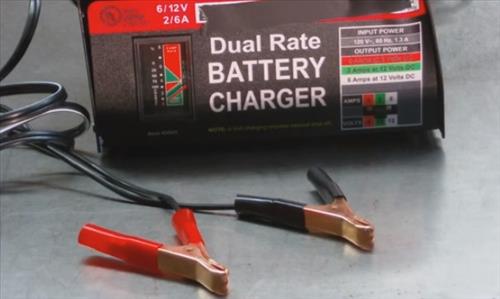
First things first, round up your gear. You'll need your trusty car battery charger, of course. Make sure it's the right voltage for your battery. Usually, that's 12 volts for most cars, but double-check just to be sure. Think of it like ordering coffee – you wouldn’t want a triple espresso when you asked for a decaf latte, would you?
Next, grab some safety glasses. Protect those peepers! You'll also need gloves. These are like your superhero costume for avoiding any battery acid mishaps. And finally, a wrench. Because sometimes, you just need a wrench.
Safety First, Always!
Seriously, safety first. I can't stress this enough. This isn't the time to channel your inner daredevil. Think of it like this: you wouldn't juggle chainsaws while riding a unicycle, would you? (Please say no!).
Find a well-ventilated area. Batteries can release gases, and you don't want to be breathing that stuff in. Imagine being trapped in a room full of old gym socks… yeah, avoid that.
Make sure your car is turned off. Take the keys out of the ignition. Seriously. I know it sounds obvious, but trust me, it’s important.
Now, locate your battery. It's usually under the hood, but sometimes it might be hiding in the trunk or even under the back seat. It's like a treasure hunt, but with slightly less gold and slightly more battery acid. Consult your owner's manual if you're having trouble. That little book is actually useful sometimes, I swear!
Disconnect the Battery (Carefully!)
Okay, time to disconnect the battery cables. But wait! Which one first? Always disconnect the negative (-) cable first. This is usually black and often has a minus sign on it. Using your wrench, loosen the nut on the negative terminal and gently wiggle the cable off.
Tuck the negative cable away so it doesn't accidentally touch the battery terminal. We don't want any sparks flying here! Imagine trying to hug a porcupine – you want to avoid contact.
Now, do the same thing with the positive (+) cable. This one is usually red and has a plus sign on it. Loosen the nut, wiggle it off, and tuck it away safely. Easy peasy!
Connecting the Charger
Alright, now for the fun part: hooking up the charger. Grab your car battery charger. Make sure it's turned off. Seriously, OFF!
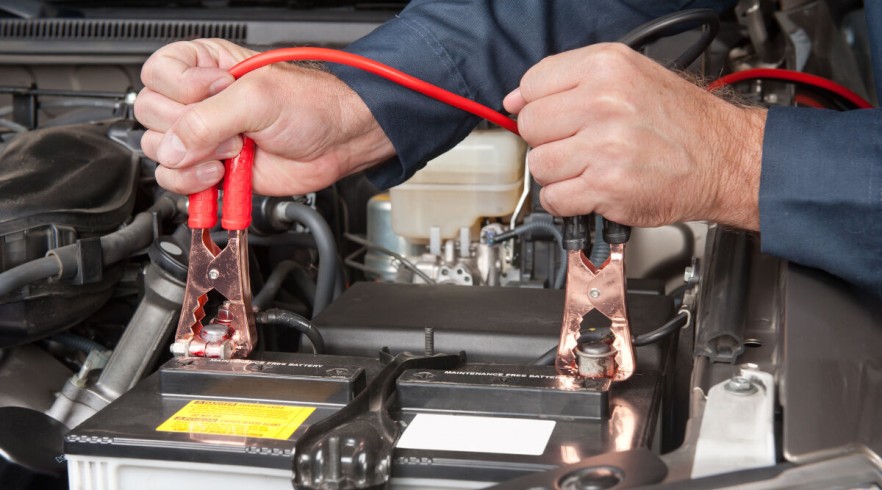
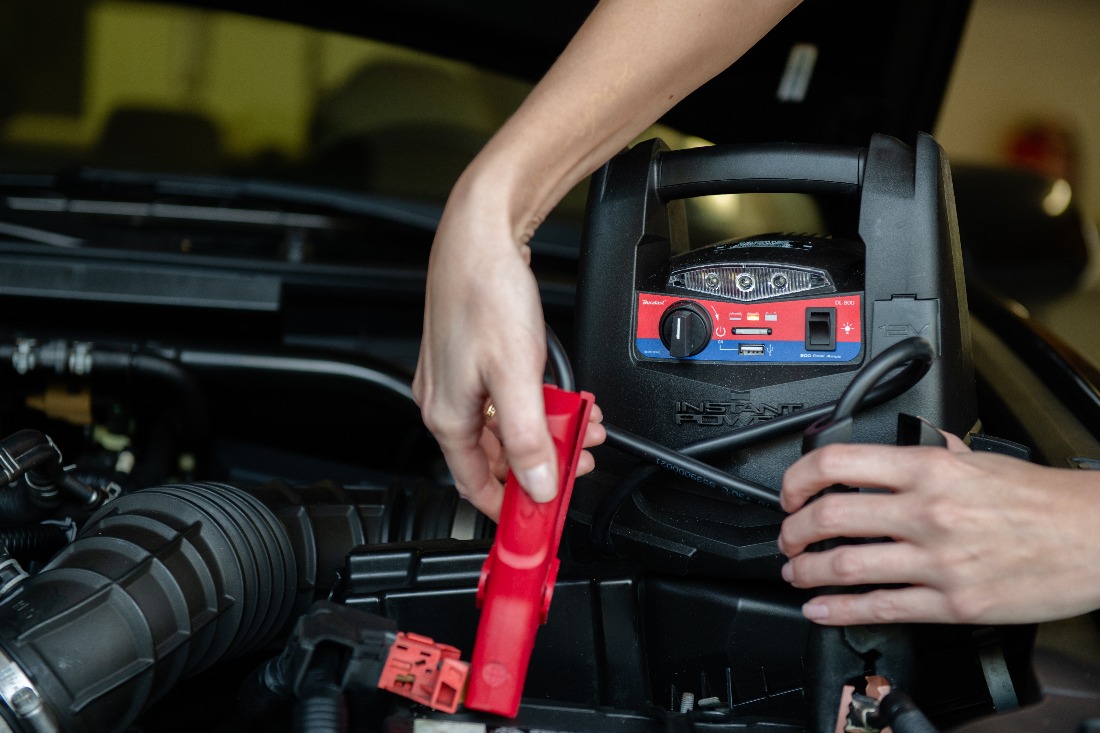
Connect the red (positive) clamp from the charger to the positive (+) terminal on the battery. Make sure it's a good, solid connection. Think of it like a firm handshake – you want it to be secure.
Then, connect the black (negative) clamp from the charger to the negative (-) terminal on the battery. Again, make sure it's a solid connection. You want these clamps to be best friends, sticking together no matter what.
Setting the Charger
Now, it's time to set the charger. Most chargers have different settings depending on the type of battery and how dead it is. Consult your charger's manual for the specifics. Don't just wing it! This is like trying to bake a cake without a recipe – you might end up with something… interesting, but probably not delicious.
Typically, you'll want to select a charging rate. A lower rate is generally better for a deeply discharged battery. It's like giving your battery a gentle wake-up call instead of a rude, loud alarm. A slow and steady charge is often the best approach.
Charging Time
How long will it take to charge? That depends on how dead your battery is and the charging rate you selected. Your charger might have an indicator that shows the charging progress. Keep an eye on it.
Generally, a completely dead battery can take several hours to charge. Be patient! Rome wasn't built in a day, and neither is a fully charged car battery.
Disconnecting the Charger
Once the battery is fully charged, turn off the charger. Unplug it from the wall before disconnecting the clamps from the battery. This is important! Don't skip this step!
Disconnect the black (negative) clamp first. Then, disconnect the red (positive) clamp. It's the reverse of how you connected them. Think of it as saying goodbye to your new battery-charging friends.
Reconnecting the Battery
Now it's time to put the battery back in the car. Reconnect the positive (+) cable first. Tighten the nut securely with your wrench. Make sure it's snug, but don't overtighten it and strip the threads.
Then, reconnect the negative (-) cable. Tighten the nut securely. Again, snug but not too tight. You're aiming for Goldilocks tightness: just right.
Starting Your Car
Cross your fingers and start your car! Hopefully, it roars to life like a majestic lion. If it doesn't, double-check all your connections and make sure everything is secure. And if it still doesn't start, you might have a more serious problem that requires a mechanic's attention. But hey, you tried! You gave it your best shot!
Important Considerations
If your battery keeps dying, even after charging it, there might be something else going on. It could be a parasitic drain, where something in your car is constantly drawing power even when it's turned off. Or it could be that your battery is just old and needs to be replaced. Batteries don’t last forever, sadly.
Also, remember that car battery chargers aren't miracle workers. If your battery is completely fried, no amount of charging will bring it back to life. It's like trying to revive a wilted flower – sometimes, you just need a new one.
Cleaning Up
Once you're done, put away your safety glasses, gloves, and wrench. And pat yourself on the back! You just resurrected your car battery. You're a superhero!
Dispose of any old or damaged batteries properly. Don't just throw them in the trash! Take them to a recycling center or auto parts store. They’ll know how to handle them safely. Be kind to the environment!
Advanced Charger Features
Some fancy chargers come with extra features like desulfation modes or automatic shut-off. Desulfation helps to break down lead sulfate crystals that can build up on the battery plates and reduce its capacity. It's like giving your battery a spa treatment!.
Automatic shut-off is a handy feature that prevents overcharging. It's like having a responsible friend who knows when to say "enough is enough" at a party. It helps prolong the life of your battery. So look into that.
Choosing the Right Charger
Not all chargers are created equal. Some are designed for specific types of batteries, like AGM or gel batteries. Others are better suited for maintaining a charge on a battery that's already in good condition. Do your research and choose a charger that's right for your needs. Think of it like choosing the right shoes for a marathon – you wouldn't wear flip-flops, would you?
Read reviews and compare features before you buy. A little bit of research can save you a lot of headaches down the road. And who knows, you might even find a charger that makes your coffee in the morning (okay, maybe not, but a girl can dream!).
Final Thoughts
Charging your car battery is a surprisingly simple task. With a little bit of knowledge and some basic tools, you can save yourself a lot of time and money. Plus, you'll feel like a total boss when you bring your dead battery back to life. Go forth and charge!
Just remember to always prioritize safety. And don't be afraid to ask for help if you're not sure about something. There are plenty of helpful resources available online and in your local community. Now, go forth and conquer that dead battery!