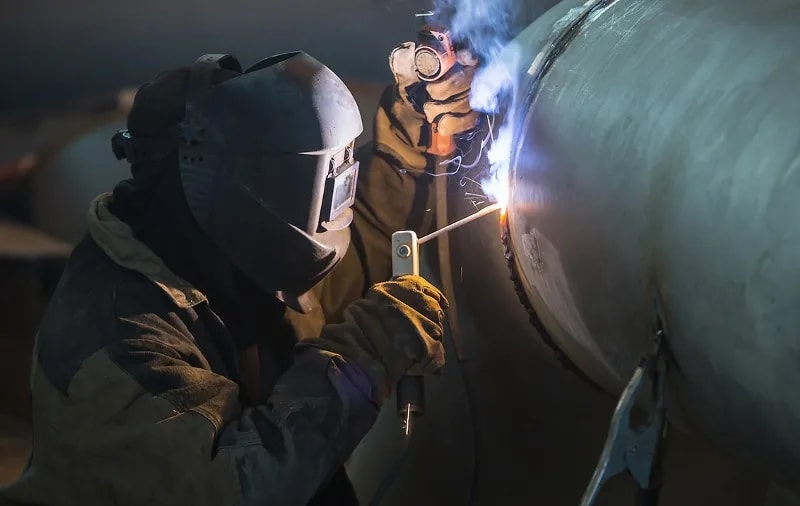
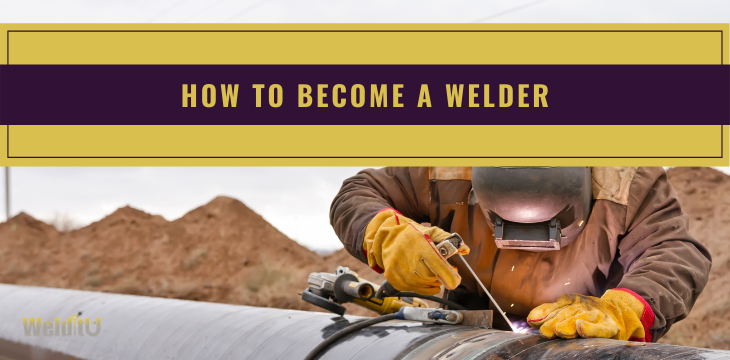
So, you wanna be a pipeline welder? You wanna be a metal magician, fusing together the arteries of civilization? Awesome! Let’s dive in, it's easier than wrestling a greased pig (though maybe not quite as messy).
First Things First: Are You Cut Out for This?
Being a pipeline welder isn't all sparks and glory. It's tough. Like, really tough. Think extreme temperatures, tight spaces, and the kind of focus that would make a laser beam jealous.
Are you okay with being outside in weather that would make a polar bear shiver? Can you handle working in a ditch that feels suspiciously like a coffin? If you answered "heck yeah!" then keep reading.
Seriously though, a good work ethic and a strong stomach are key. You'll also need better than average eyesight and steady hands. Imagine trying to thread a needle wearing boxing gloves, while riding a roller coaster. That's welding, sometimes.
Get Your Learn On: Training & Education
Alright, so you’re not scared off. Excellent! Now, the best path to becoming a pipeline welder is through a reputable training program. Think of it as wizarding school, but instead of wands, you get welding torches. And instead of spells, you learn about root passes and hot passes.
Many community colleges and technical schools offer welding programs. Look for ones that are certified by the American Welding Society (AWS). This is the gold standard, the official stamp of "yeah, this school knows what they're doing."
These programs will teach you the fundamentals of welding, including different welding processes like SMAW (Shielded Metal Arc Welding), GMAW (Gas Metal Arc Welding), and GTAW (Gas Tungsten Arc Welding). These are just fancy names for different ways to melt metal together, don't worry about memorizing them all right now.
But wait, there's more! Some unions, like the United Association of Journeymen and Apprentices of the Plumbing and Pipe Fitting Industry (UA), also offer apprenticeship programs. This is a "learn while you earn" kind of deal.
An apprenticeship is like getting paid to learn. You get classroom instruction and on-the-job training from experienced welders. It’s like having Yoda teach you how to weld, but with less cryptic advice and more actual instruction.
Get Certified: Prove You're the Real Deal
Once you've completed your training, it's time to get certified. Certifications are like badges of honor. They tell employers, "Hey, I know what I'm doing!"
The most common certification for pipeline welders is the AWS certification. To get certified, you'll have to pass a welding test. This involves welding a test piece to specific standards. If it passes inspection, congratulations! You're certified.
Think of it like this: you've baked a cake, and the judges (inspectors) get to taste it. If it's delicious (a strong, defect-free weld), you win the blue ribbon (certification)!
Gain Experience: Practice Makes Perfect (and Pays the Bills)
Now that you're trained and certified, it’s time to get your hands dirty. You need experience. Nobody's going to let you weld a multi-million dollar pipeline right out of school (unless you're secretly a welding prodigy from another planet).
Start by taking on smaller jobs. Look for entry-level welding positions. These might not be glamorous, but they'll give you valuable experience and a chance to hone your skills.
Be patient. Building a reputation takes time. Think of it like leveling up in a video game. You start with small quests, then work your way up to the epic boss battles (welding complex pipeline sections).
Consider working as a welding assistant or helper. You'll be doing tasks like grinding, cleaning, and assisting experienced welders. It's not the most exciting work, but you'll learn a lot and make valuable connections.
Network: It's Not Just About What You Know, But Who You Know
Welding is a tight-knit community. Networking can be a huge advantage in finding work. Go to welding conferences, join online forums, and talk to other welders.
Don’t be afraid to ask for advice. Most welders are happy to share their knowledge and experiences. It's like asking a chef for their secret ingredient. You might be surprised at what they're willing to share.
LinkedIn can also be your friend. Create a profile, connect with other welders, and search for job postings. It's like a digital handshake that can lead to big opportunities.
Pipeline Specifics: Learning the Ropes (and Pipes)
Welding pipelines is a different beast than welding in a shop. You need to understand pipeline welding techniques, codes, and safety regulations.
Look for specialized training courses in pipeline welding. These courses will teach you the specific skills and knowledge you need to succeed in this field. This is like taking advanced classes in wizarding school. You're learning the really cool spells (welding techniques).
Familiarize yourself with the relevant codes and standards, such as API 1104. This is the bible for pipeline welding. Knowing it inside and out will impress employers and keep you safe.
Safety First: Don't Be a Hotshot, Be a Smartshot
Welding is dangerous. Seriously. There are sparks, fumes, and electricity involved. Always prioritize safety. Wear your personal protective equipment (PPE) at all times. This includes a welding helmet, gloves, a fire-resistant jacket, and safety boots.
Follow safety procedures religiously. Don't take shortcuts. It's better to take a few extra minutes to do things safely than to end up in the hospital. Remember that welding helmet is your best friend. Treat it well.
Be aware of your surroundings. Watch out for other workers, equipment, and hazards. Communication is key. If you see something unsafe, speak up. A little caution can save a life (maybe even your own!).
Persistence Pays Off: Don't Give Up!
Becoming a pipeline welder isn't easy. It takes time, effort, and dedication. You’ll face challenges and setbacks along the way. Don’t get discouraged.
Keep learning, keep practicing, and keep networking. The welding world is constantly evolving, so you need to stay up-to-date on the latest technologies and techniques. It's like keeping your spells updated so you don't get caught out by a dragon (or a tricky welding situation).
Believe in yourself. You have the potential to become a skilled and successful pipeline welder. Just keep grinding, keep welding, and keep chasing your dreams. And remember, even superheroes need practice!
The Payoff: Rewards of the Trade
So, what's in it for you? Besides the satisfaction of knowing you're building essential infrastructure, pipeline welders can earn a very good living. Like, really good.
Experienced pipeline welders can earn six-figure salaries. The demand for skilled welders is high, so your skills will be in demand. It’s like having a golden ticket to the chocolate factory, but instead of chocolate, you get a paycheck.
Plus, you get to travel the country (or even the world), work on interesting projects, and be part of a team that's building something important. It's a challenging but rewarding career. You’ll also have amazing stories to tell at parties, like “that time I welded a pipeline in the middle of the desert while dodging scorpions.”
So, there you have it. A rough and ready guide to becoming a pipeline welder. It’s a challenging path, but one that’s filled with opportunity and the potential for great reward. Now get out there and start welding!