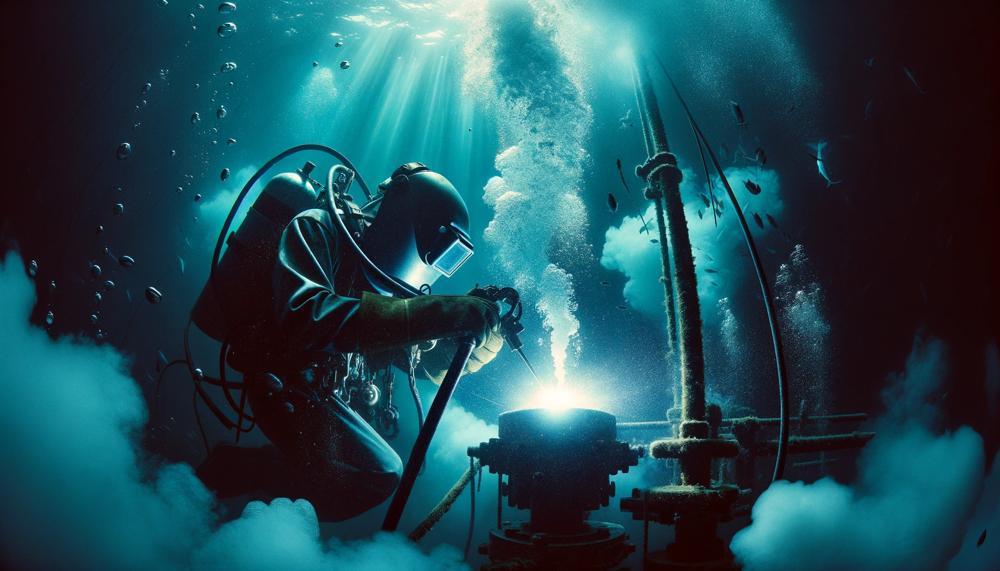
Ever wondered about the daredevils who weld… underwater? It sounds like something straight out of a James Bond movie, doesn't it? But underwater welding is a real, incredibly skilled, and sometimes unbelievably deep profession. It's not just for patching up pirate ships; it's vital for maintaining our modern infrastructure and exploring the ocean's depths. So, how deep *do* these amazing welders go?
First, let’s dive into why underwater welding is even a thing. Imagine a crucial oil pipeline springing a leak on the seabed, or a bridge piling needing repair miles offshore. Hauling these massive structures to dry land for repairs would be incredibly expensive and time-consuming. That's where underwater welders come in. They're like the plumbers and construction workers of the deep, fixing and maintaining vital structures in their natural environment. The benefits are clear: cost savings, reduced downtime, and the ability to perform repairs in otherwise inaccessible locations.
Now, for the big question: depth. The depth an underwater welder can reach depends on several factors, including their training, experience, the type of welding being performed, and the specific requirements of the job. Generally, underwater welding can be split into two main categories: wet welding and dry welding.
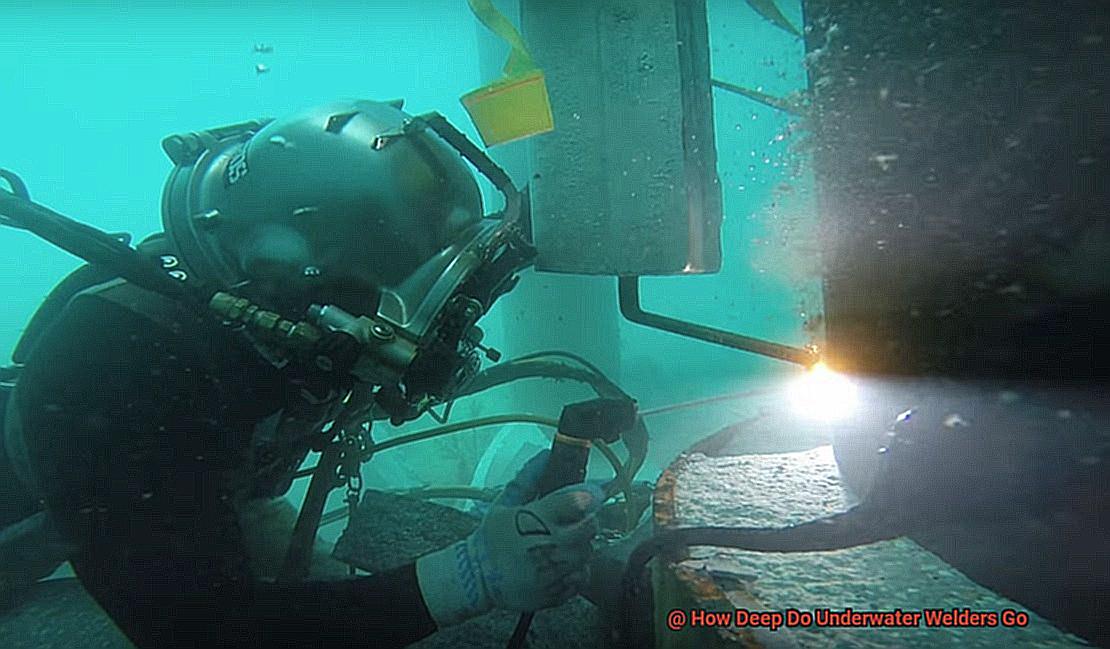
Wet welding, as the name suggests, involves welding directly in the water. The welder uses specialized equipment to create an electric arc that melts the metal being joined. While it’s more portable and cost-effective, wet welding is typically limited to shallower depths. Most wet welding takes place at depths of less than 100 feet (30 meters). Reaching greater depths with wet welding introduces significant challenges related to visibility, pressure, and the rapid cooling of the weld.
For deeper repairs, dry welding is the preferred method. In this technique, a hyperbaric chamber (a sealed enclosure) is placed around the area to be welded, creating a dry, pressurized environment. This allows the welder to work in conditions closer to those on land, resulting in higher quality welds and improved safety. Because of the controlled environment, dry welding allows welders to go significantly deeper. Dry welding can be performed at depths of hundreds of feet, with some projects reaching depths of over 1,000 feet (300 meters)! That's deeper than most scuba divers ever venture.
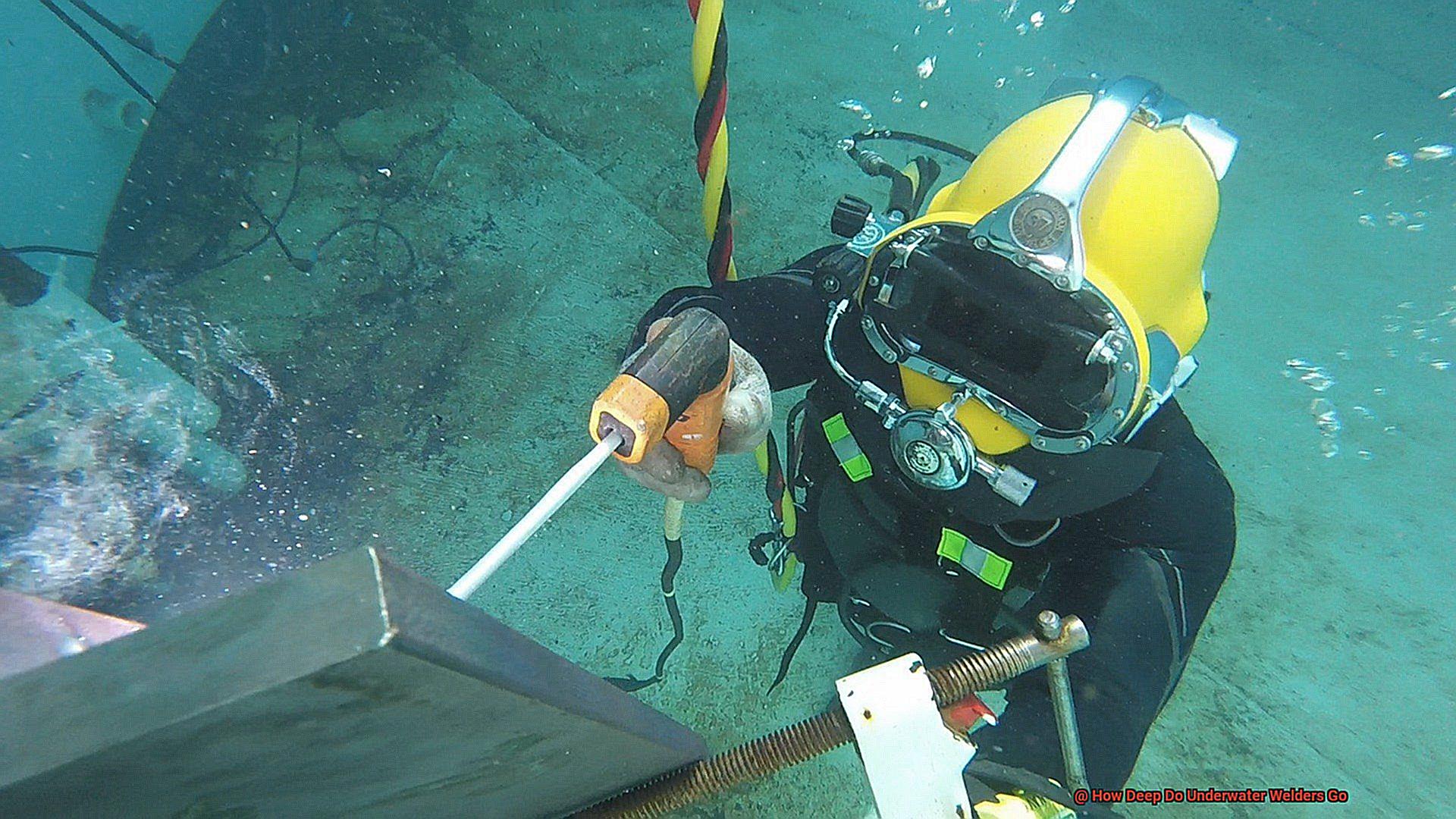
Reaching such depths requires specialized training and equipment. Underwater welders are not just skilled welders; they are also qualified commercial divers, trained in hyperbaric medicine, underwater engineering, and emergency procedures. The deeper they go, the greater the risks, and the more crucial their training becomes. So, the next time you cross a bridge or fill up your car, remember the unsung heroes who may have been working tirelessly, and sometimes incredibly deeply, to keep everything running smoothly beneath the surface.