Okay, let's talk car batteries. They're kind of like that friend who's always there to help you move… until they’re not. One minute they're cheerfully starting your car, the next? Silence. Crickets. That sinking feeling that you’re going to be late. Knowing how to recharge a car battery is a *super* valuable skill. Think of it as car-owner self-sufficiency 101.
Why Bother? Isn't it Easier to Just Call Someone?
Sure, you *could* call AAA or a friend. And sometimes, that's absolutely the right move. But learning to recharge your battery is like knowing basic first aid. It can get you out of a jam when no one else is around. Imagine you're on a camping trip, miles from civilization, and your car decides it's had enough. Suddenly, knowing how to revive that battery is the difference between roasting marshmallows under the stars and sleeping in a very uncomfortable tent because you can't start your car.
Plus, let’s be honest, car batteries aren’t cheap! A simple recharge can sometimes save you from having to buy a brand new one. It’s like resuscitating your old favorite sweater instead of throwing it out and buying a new one. Think of the savings!
The Two Main Ways to Bring Your Battery Back to Life
There are primarily two methods for recharging a car battery:
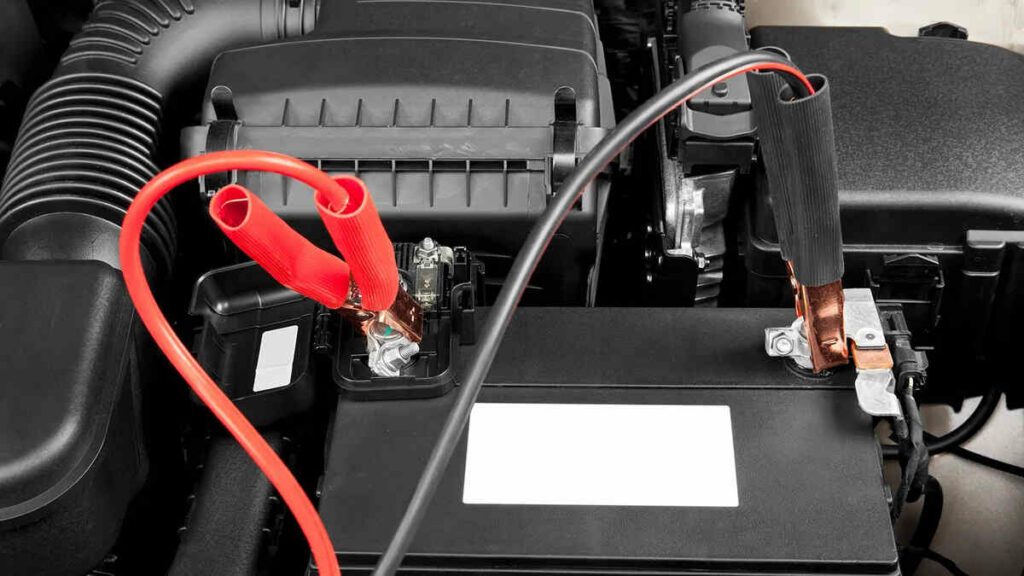
1. The Jumper Cables Method (The "Good Samaritan" Approach): This involves using another car's healthy battery to give your dead one a boost. It's like borrowing a cup of sugar from your neighbor... except instead of sugar, it's electricity, and instead of cookies, it's your car starting. You'll need jumper cables, of course, and a willing participant with a running vehicle.
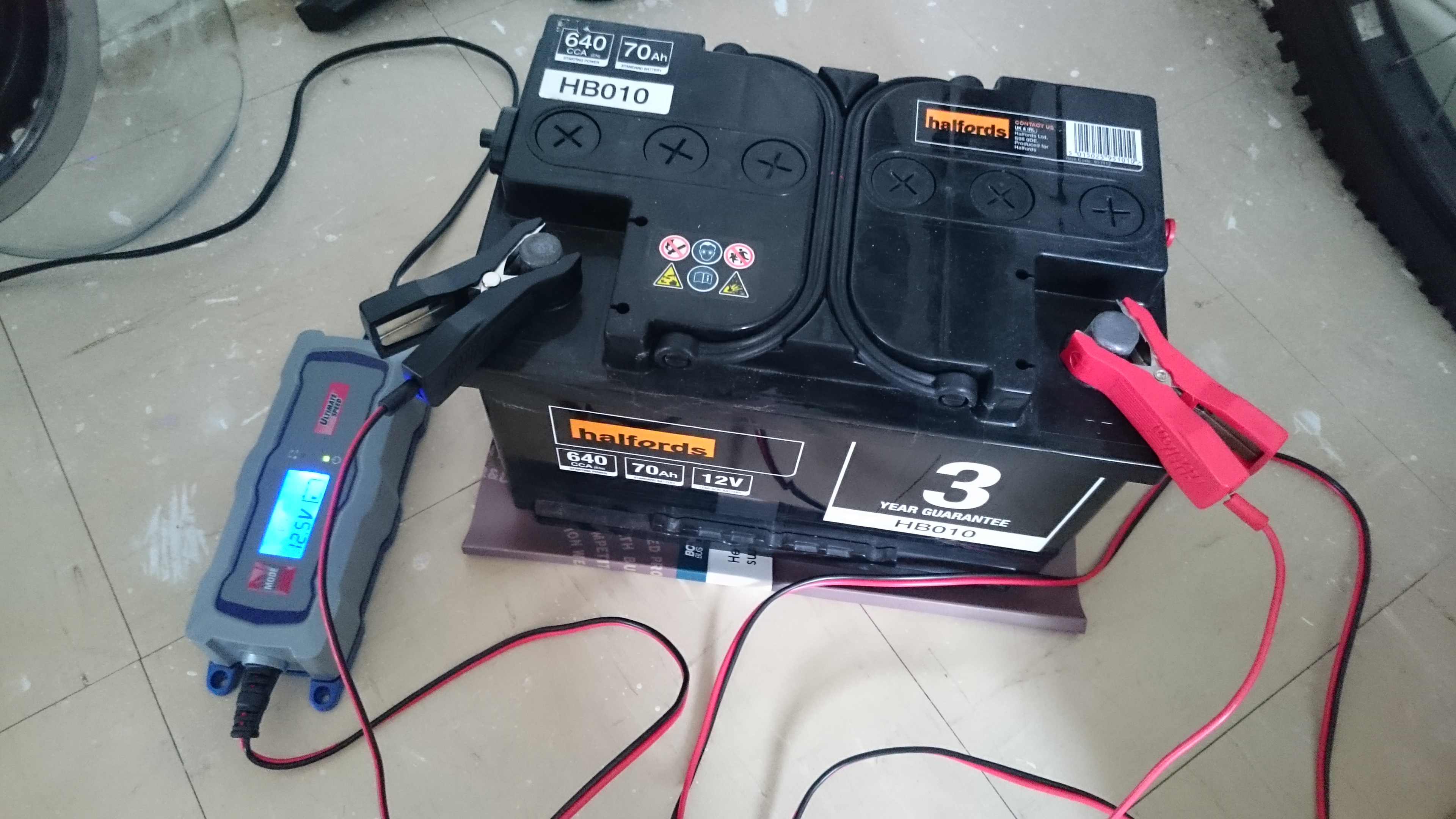
2. The Battery Charger Method (The "Independent Soul" Approach): This requires a dedicated battery charger, which you can buy at any auto parts store. It's like having your own personal power station for your car. This is a slower, more controlled way to recharge, and it's often the best method for batteries that are deeply discharged (totally flatlined).
Jumper Cables: A Step-by-Step Guide to Automotive First Aid
Alright, let's dive into the jumper cable dance. Follow these steps carefully, and you'll be back on the road in no time:
- Safety First! Make sure both cars are turned off. This is not the time for dramatic engine revving.
- Locate the Batteries: Find the battery terminals on both cars. They’re usually marked with a '+' (positive) and a '-' (negative) symbol.
- Connect the Positive (+) Cables: Attach one red clamp to the positive terminal of the dead battery. Then, connect the other red clamp to the positive terminal of the good battery. Always positive to positive first.
- Connect the Negative (-) Cable (Good Battery Side): Connect one black clamp to the negative terminal of the good battery.
- Connect the Negative (-) Cable (Dead Battery Side): This is important: connect the final black clamp to a clean, unpainted metal surface on the dead car's engine block, *away* from the battery. This grounds the circuit and helps prevent sparks.
- Start the Good Car: Let the "good Samaritan" car run for a few minutes. Think of it as warming up its generosity.
- Try Starting the Dead Car: Attempt to start the car with the dead battery. If it starts, hooray! Let it run for a while to recharge the battery. If it doesn't, wait a few more minutes and try again.
- Disconnect the Cables: Disconnect the cables in the *reverse* order you connected them. Black clamp from the engine block, then black from the good battery, then red from the good battery, then red from the formerly dead battery.
Important Note: If the car doesn't start after a few tries, there might be a bigger problem than just a dead battery. You might need to call a professional mechanic.
Using a Battery Charger: A More Leisurely Approach
Using a battery charger is less dramatic than jumper cables. It’s like giving your battery a spa day. Simply connect the charger to the battery terminals (red to positive, black to negative), set the appropriate charging rate (usually a slow charge is best), and let it do its thing. Charging times vary depending on the charger and the battery's condition, but it usually takes several hours.
Pro Tip: Always read the instructions that come with your battery charger! They know best.
Why Should You Care?
Because knowing how to recharge your car battery empowers you. It's like knowing how to change a tire or cook a decent meal. It makes you more self-reliant and less dependent on others. And let's face it, there's a certain satisfaction in bringing something back to life, especially when that something is your car, and that something is the difference between getting to work on time and facing the wrath of your boss.
So, the next time your car battery starts to sound a little sluggish, don't panic. Remember this article, grab your jumper cables or battery charger, and give it a try. You might just surprise yourself (and save yourself a bundle in the process!). And remember, a little knowledge goes a long way in the world of car ownership. It can make you feel more confident and in control. Plus, you'll have a great story to tell at your next family gathering. "Remember that time my car battery died in the middle of nowhere? Well, let me tell you…"