Okay, friend, let's talk about something that might not seem like the most thrilling topic at first glance: generators. But trust me, knowing how to choose the right size generator for your home is like unlocking a secret level of comfort and preparedness. It's about being the hero of your own story when the lights go out!
Think about it: no more scrambling for candles, no more food spoiling in the fridge, no more kids (or adults!) complaining about being bored. With the right generator, you can keep the essentials running, maybe even a little luxury like the TV or that all-important coffee maker. Sounds good, right?
Why Size Matters (and Why It's Not Scary)
So, why can't you just grab any old generator and call it a day? Well, that's where the "big" part of "How Big Of A Generator For A House" comes in. Getting the size wrong can lead to a few less-than-ideal scenarios. Too small, and your generator will be overworked and might not even power everything you need. Too big, and you're basically burning money for no reason. Nobody wants that!
Think of it like Goldilocks and the Three Bears: you want the generator that's just right.
The Wattage Workout: Calculating Your Needs
Don't worry, this isn't going to turn into a math exam. We're going to keep it simple. The key is understanding wattage. Every appliance in your house uses a certain amount of watts to run. Some, like refrigerators and air conditioners, use a lot more when they first start up (we call this "starting wattage").
Here's the game plan:
- Make a List: Go around your house and note down the wattage of all the appliances you absolutely need to run during a power outage. Things like your refrigerator, lights, furnace (if it's gas, you'll likely only need a small amount of power for the igniter), and maybe a fan.
- Find the Wattage: Look for a sticker or label on the appliance that lists the wattage. If it only lists amps and voltage, you can easily calculate wattage using this formula: Watts = Amps x Volts.
- Consider Starting Wattage: Some appliances need a burst of power to get going. Check for a separate "starting wattage" figure. If you can't find it, a good rule of thumb is to multiply the running wattage by 3 for things like refrigerators and air conditioners.
- Add It All Up: Add up the starting wattage of the appliance with the highest starting wattage, and the running wattage of all the other appliances you want to power. This will give you the minimum size generator you need.
Pro Tip: Err on the side of caution and add a little extra wiggle room (maybe 10-20%) to your calculated wattage. It's better to have a little too much power than not enough!
Still sounds daunting? Don't sweat it! There are plenty of online calculators and even apps that can help you with this process. Just search for "generator wattage calculator."
Examples to Spark Your Imagination (and Your Appliances!)
Let's say you want to power these essentials:
- Refrigerator (Starting: 1800 watts, Running: 600 watts)
- Furnace Fan (Starting: 1200 watts, Running: 600 watts)
- Lights (LED, let's say 10 bulbs at 10 watts each = 100 watts running)
- Phone Charger (5 watts running)
Here's how the math breaks down:
- Highest Starting Wattage: Refrigerator - 1800 watts
- Remaining Running Wattage: 600 (Furnace) + 100 (Lights) + 5 (Phone) = 705 watts
- Total Wattage Needed: 1800 + 705 = 2505 watts
- With 20% extra for wiggle room: 2505 * 1.2 = 3006 watts
In this scenario, you'd want a generator that can handle at least 3000 watts. Makes sense, right?
Types of Generators: Finding Your Power Partner
Now that you know how much power you need, let's talk about the types of generators available.
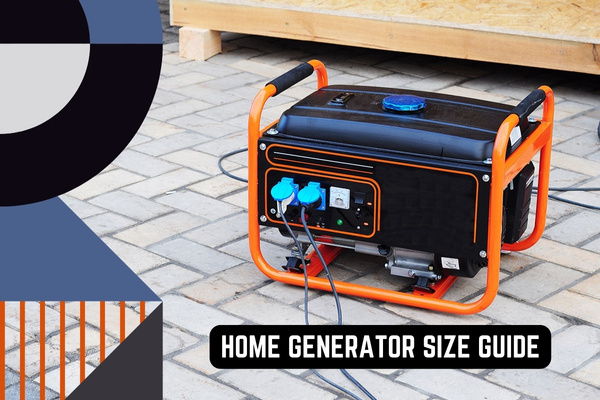
- Portable Generators: These are the most common type for home use. They run on gasoline or propane and are great for powering essential appliances.
- Inverter Generators: These are quieter and more fuel-efficient than portable generators. They also produce cleaner power, making them ideal for sensitive electronics like laptops and smartphones.
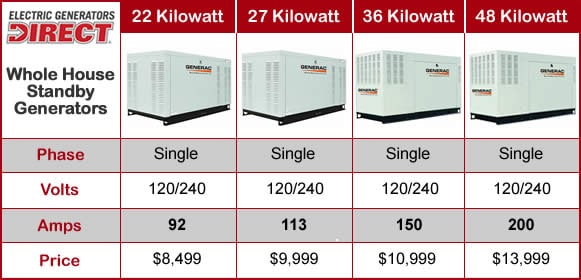
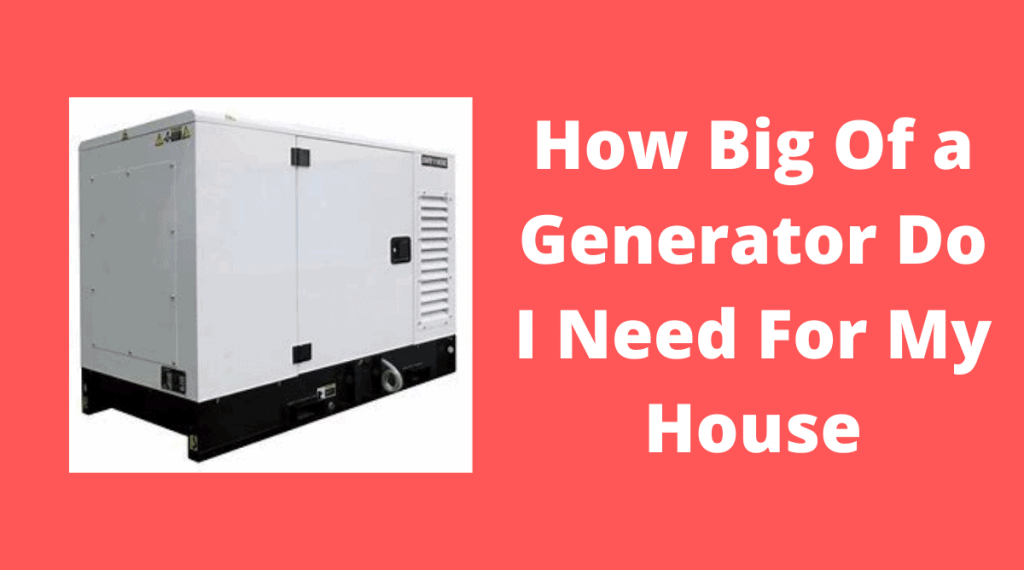
- Standby Generators: These are permanently installed and automatically kick in when the power goes out. They're the most expensive option, but also the most convenient.
The best type for you will depend on your budget, power needs, and how often you anticipate needing a generator.
Ready to Power Up Your Life?
Choosing the right generator might seem a little technical at first, but it's totally achievable. And the peace of mind that comes with knowing you're prepared for anything is priceless. Imagine: while your neighbors are fumbling around in the dark, you're sipping coffee, watching a movie, and feeling like a total rockstar.
So, take a deep breath, grab a notepad, and start calculating those watts! You've got this. And remember, the world of generators is constantly evolving, so there's always something new to learn. Embrace the journey, and get ready to power up your life!
Ready to dive deeper? Explore online resources, chat with experts at your local hardware store, and read reviews. The more you know, the more confident you'll be in making the right choice for you and your family. Happy powering!