Ever wondered just how wild things can get when Mother Nature throws a proper tantrum? Let's talk about Category 4 hurricanes! These storms are no joke, but understanding them can be strangely fascinating.
The Category 4 Hurricane: A Force of Nature
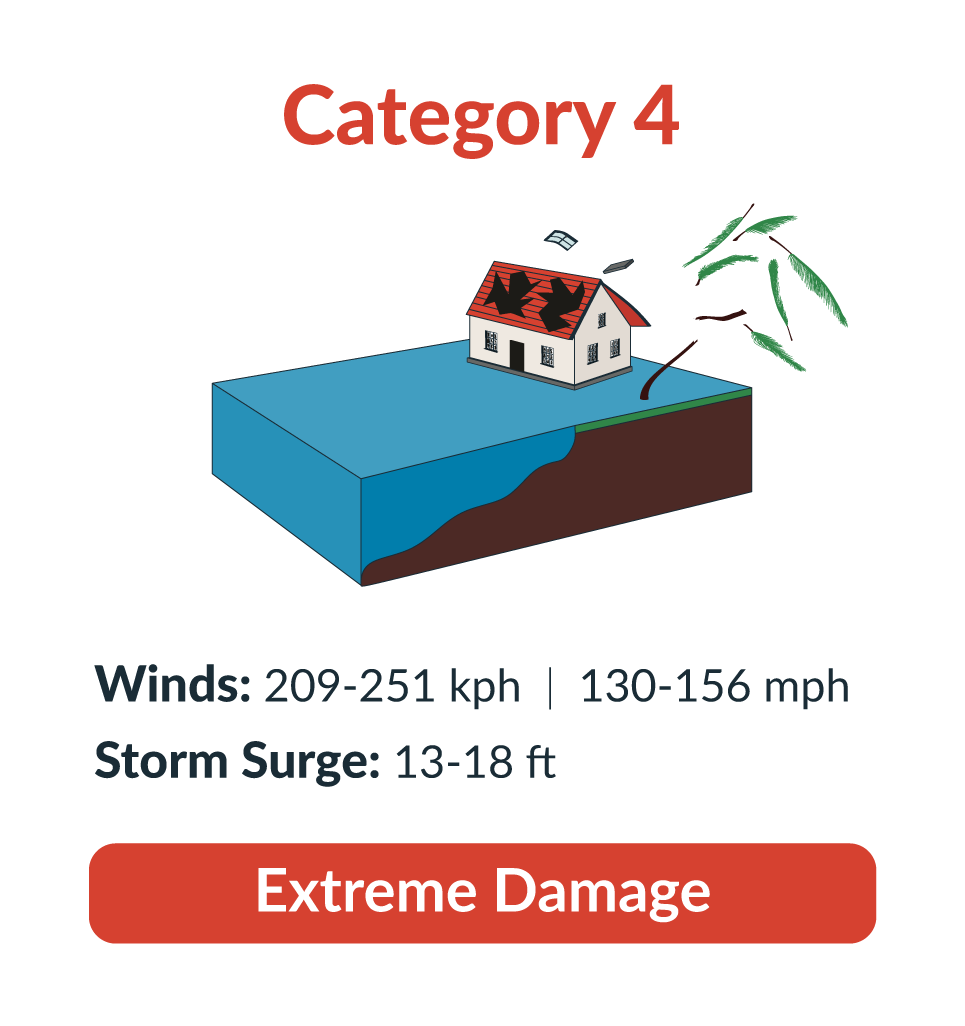
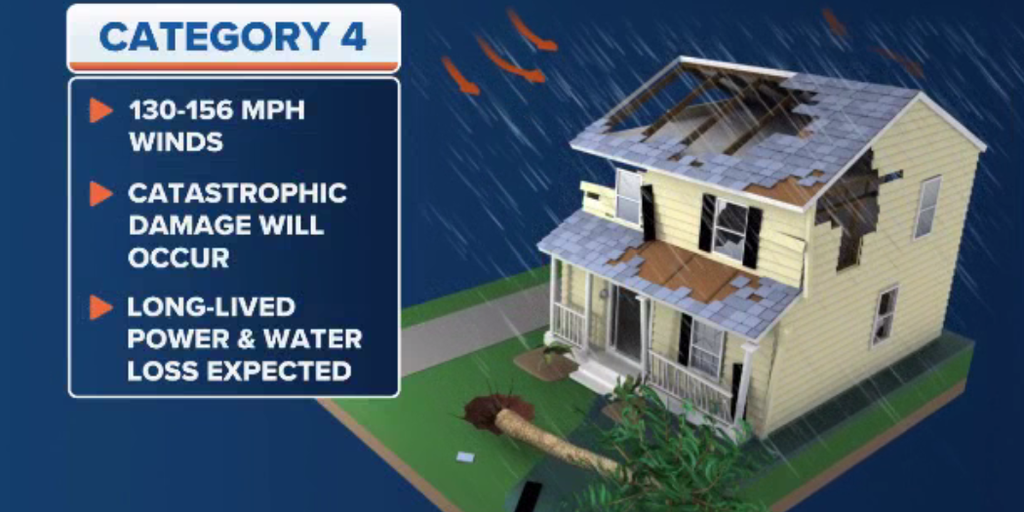
Imagine a swirling monster of wind and water. That's pretty much a Category 4 hurricane. We are talking sustained winds between 130 and 156 mph. These are the kind of winds that make you want to stay inside, preferably in a reinforced bunker.
Think of your everyday experiences. Have you ever stuck your hand out the window of a car going 60mph? Now, double that speed! Then, imagine that wind ripping through your neighborhood. That's the sheer power a Category 4 hurricane unleashes.
What Does a Category 4 Hurricane Actually Do?
So, what does all that wind and rain actually *do*? The answer isn't pretty, but it's undeniably dramatic. Category 4 hurricanes are known for causing widespread and devastating damage.
Roofs get torn off homes. Trees get uprooted like stubborn weeds. Power lines snap, plunging entire communities into darkness. This is a storm that reshapes the landscape.
Think about the drama of it all. It is like something straight out of a disaster movie, but unfortunately, it is very real for those in the path of the storm. It makes you wonder what the landscape looks like afterward.
The Storm Surge: A Wall of Water
But the wind isn't the only weapon in a Category 4 hurricane's arsenal. Enter the storm surge. This is where the ocean itself becomes a threat.
The storm surge is an abnormal rise of water. It can be up to 13 to 18 feet above normal tide levels. This is like a massive wall of water. It’s driven ashore by the hurricane's powerful winds.
Imagine waves crashing into buildings. Cars floating down streets. Entire towns submerged under water. The storm surge is a force that can cause immense destruction and loss of life.
Why Are Category 4 Hurricanes So Mesmerizing?
Okay, let's be honest. There is something strangely captivating about these storms. Maybe it’s the raw power or the sheer scale of the event.
For many of us, we see it on the news, or on Youtube. It's a reminder of just how small we are. The sheer scale is awesome, literally awesome.
It's a fascinating display of nature's fury. It’s also a powerful reminder of the forces shaping our planet. It feels like watching a force of nature that you could not hope to control.
The Science Behind the Storm: It's All About the Heat
What fuels these incredible storms? It all comes down to heat. Hurricanes are essentially giant heat engines.
They form over warm ocean waters. The warm water evaporates and rises. This creates a low-pressure area that sucks in more air.
This rising air cools and condenses. It forms thunderstorms. This process releases even more heat. This fuels the hurricane's growth and intensification. It's like a self-sustaining cycle of destruction.
Tracking the Monster: Hurricane Hunters and Satellites
So, how do we know what's going on inside these storms? That is where science and technology come to the rescue. We have ways of tracking these bad boys.
Brave pilots fly directly into hurricanes. These Hurricane Hunters gather data from inside the storm. Satellites provide a bird's-eye view of the hurricane's structure and movement.
This information helps us predict where the hurricane is going and how strong it will be. This early warning is so important. It gives people time to prepare and evacuate.
The Human Impact: Communities in Crisis
While the science is fascinating, it's important to remember the human cost. Category 4 hurricanes can have devastating impacts on communities.
Homes are destroyed. Businesses are ruined. People are displaced from their homes. The emotional and psychological toll can be immense.
Recovery can take years. Communities need to rebuild. It requires resources, resilience, and a strong sense of community to overcome this kind of disaster.
Preparing for the Worst: How to Stay Safe
If you live in an area prone to hurricanes, it's crucial to be prepared. Knowing what to do can save your life and the lives of your loved ones.
Have a plan. Know your evacuation routes. Stock up on essential supplies. Pay attention to weather warnings. Don’t just ignore the notifications.
Most importantly, listen to local authorities. They will provide guidance and instructions on how to stay safe during the storm. Remember, it’s not fun to watch a disaster if you are also in the middle of it!
Beyond the Category: The Saffir-Simpson Scale
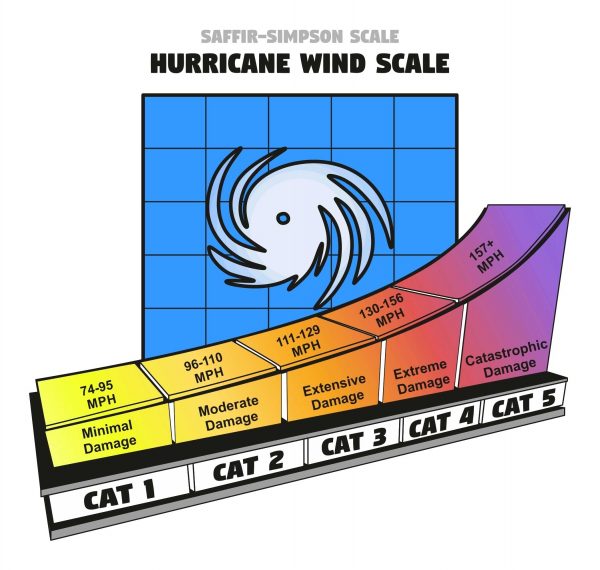
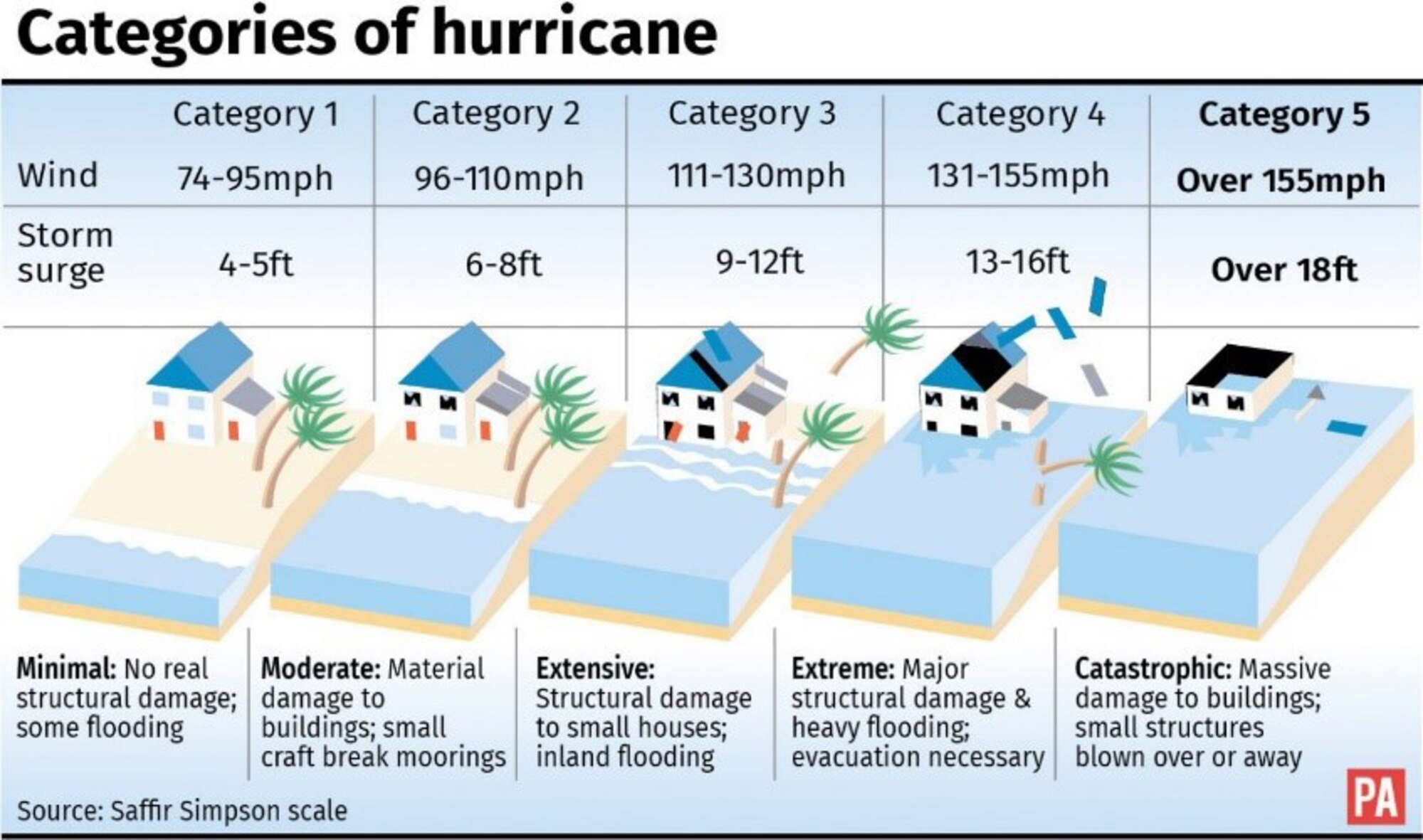
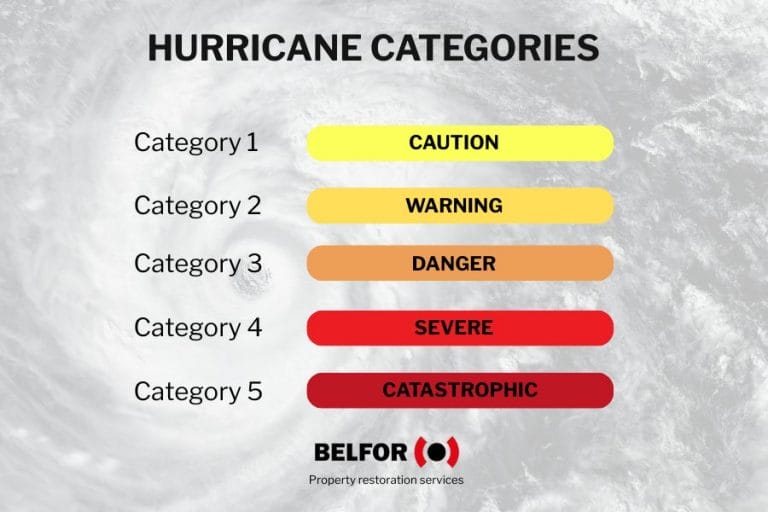
Category 4 is a serious storm, but it's not the top of the scale. The Saffir-Simpson Hurricane Wind Scale goes all the way up to Category 5.
A Category 5 hurricane has sustained winds of 157 mph or higher. The damage is catastrophic. The potential for loss of life is extreme.
Understanding the Saffir-Simpson scale helps to understand the intensity of a storm. It helps to take any warnings seriously.
Climate Change and Hurricanes: Are They Getting Stronger?
There's a lot of discussion about the impact of climate change on hurricanes. The science is complex, but the trend is concerning.
Warmer ocean temperatures provide more fuel for hurricanes. This can lead to stronger and more intense storms. Sea level rise increases the risk of storm surge flooding.
Understanding the link between climate change and hurricanes is crucial. We can then take steps to mitigate the risks and protect vulnerable communities.
Category 4 in History: Iconic Storms
History is full of examples of devastating Category 4 hurricanes. These storms have left their mark on the landscape and in the collective memory.
Hurricane Harvey in 2017 brought catastrophic flooding to Houston. It's a reminder of the immense power of water. Hurricane Laura in 2020 brought devastating winds to Louisiana. This demonstrated the sheer force of the winds involved.
These storms serve as a reminder of the potential for destruction. They also remind us of the resilience of the human spirit.
The Aftermath: Rebuilding and Recovery
The days and weeks following a Category 4 hurricane can be incredibly challenging. Communities face a long road to recovery.
Clearing debris, restoring power, and repairing infrastructure are essential. Providing food, water, and shelter to those in need is critical.
The recovery process requires coordination, resources, and a strong sense of community. It’s also an opportunity to rebuild in a more resilient way.
Beyond the Headlines: The Untold Stories
While the headlines focus on the storm's intensity and the damage it causes, there are countless untold stories of courage and compassion.
Neighbors helping neighbors, first responders risking their lives, and volunteers from around the world pitching in to help. These stories are so inspiring.
Remember these stories, amidst the chaos and destruction. They remind us of the best of humanity. Even amidst the worst of nature.
Stay Informed, Stay Safe, Stay Curious
Category 4 hurricanes are powerful and destructive forces of nature. They are fascinating to learn about.
By understanding the science behind these storms, we can better prepare for them. We can protect ourselves and our communities.
Stay informed, stay safe, and stay curious about the world around you. You never know when that knowledge might come in handy. It makes them less intimidating and more fascinating.
Want to Learn More?
There are many resources available to learn more about hurricanes. Check out the National Hurricane Center website for the latest information and forecasts.
Read books and articles about the science of hurricanes and the history of past storms. You can even watch documentaries about hurricane hunters and the impact of these storms on communities.
The more you learn, the better prepared you'll be. You can also better appreciate the power and complexity of these incredible natural phenomena. So go on. Dive in and explore the world of hurricanes!