Let's be honest, few things are as captivating – and terrifying – as watching a hurricane churn across the Atlantic. We’re glued to our screens, tracking its path, listening to meteorologists with bated breath. Maybe it’s the sheer power of nature on display, the reminder of our own vulnerability, or perhaps a strange, morbid curiosity. Whatever the reason, hurricanes hold a certain fascination, and understanding them is crucial, especially when one’s barreling towards your home.
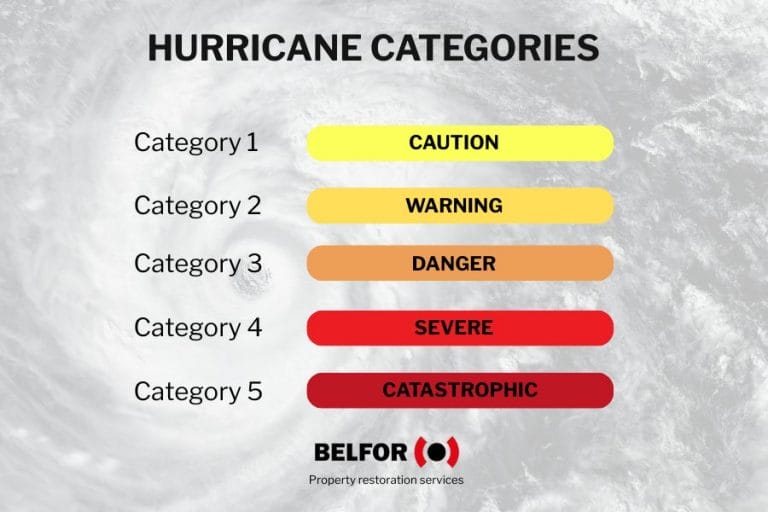
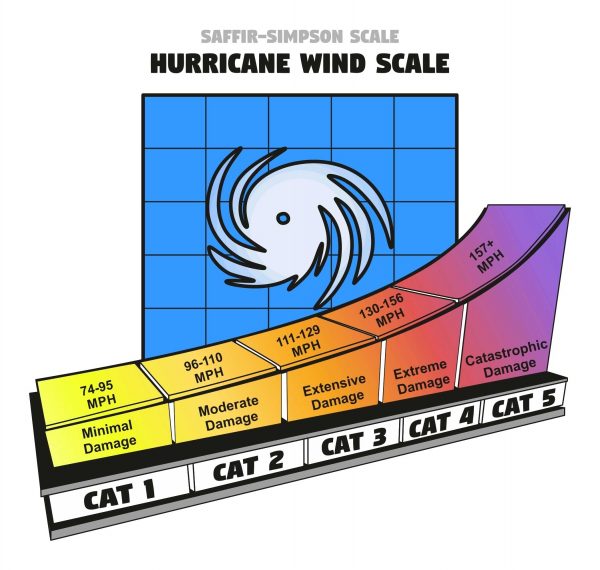
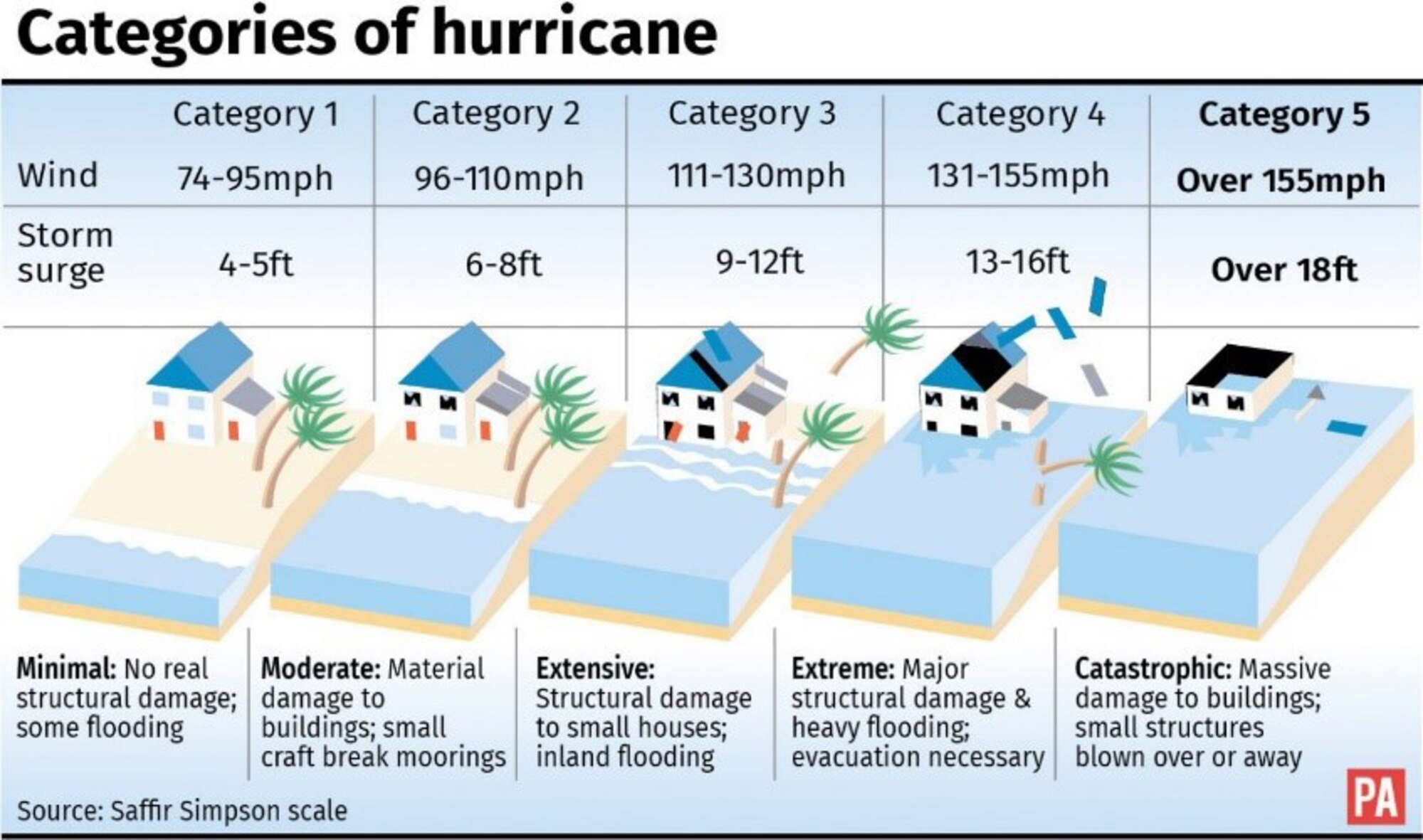
Understanding the severity of a hurricane isn’t just about satisfying that curiosity; it’s about preparation and safety. The Saffir-Simpson Hurricane Wind Scale, which categorizes hurricanes from 1 to 5, is the key to decoding their potential impact. It helps us assess the expected wind speeds and resulting damage, allowing for appropriate precautions. Think of it as a roadmap for survival, telling you whether to simply hunker down or evacuate altogether. This information directly impacts decisions made by emergency management agencies, influencing evacuation orders and resource allocation. It also empowers individuals to make informed choices about protecting their families and property.
We see the category system in action every hurricane season. News reports constantly refer to categories, highlighting potential storm surge, flooding, and wind damage. Insurance companies use these categories to assess risk and determine premiums. Even our local grocery stores stock up on supplies based on predicted intensity. The implications are far-reaching, affecting everything from airport closures to school cancellations.
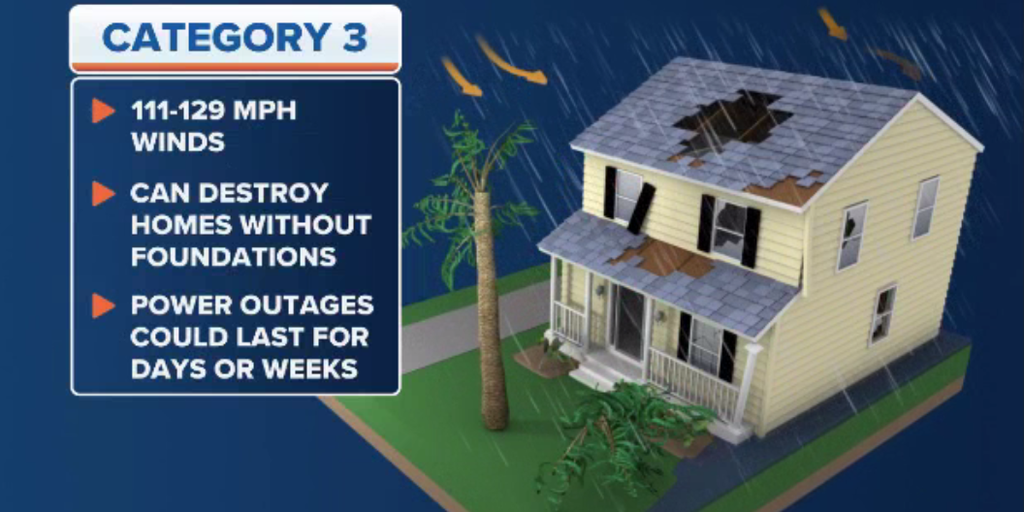
So, how bad is a Category 3 hurricane? Well, it's officially classified as a major hurricane. This is where things get seriously dangerous. Sustained winds will be between 111-129 mph (178-208 km/h). Think of it this way: a Category 3 is not just a little stronger than a Category 2; it represents a significant jump in destructive potential.
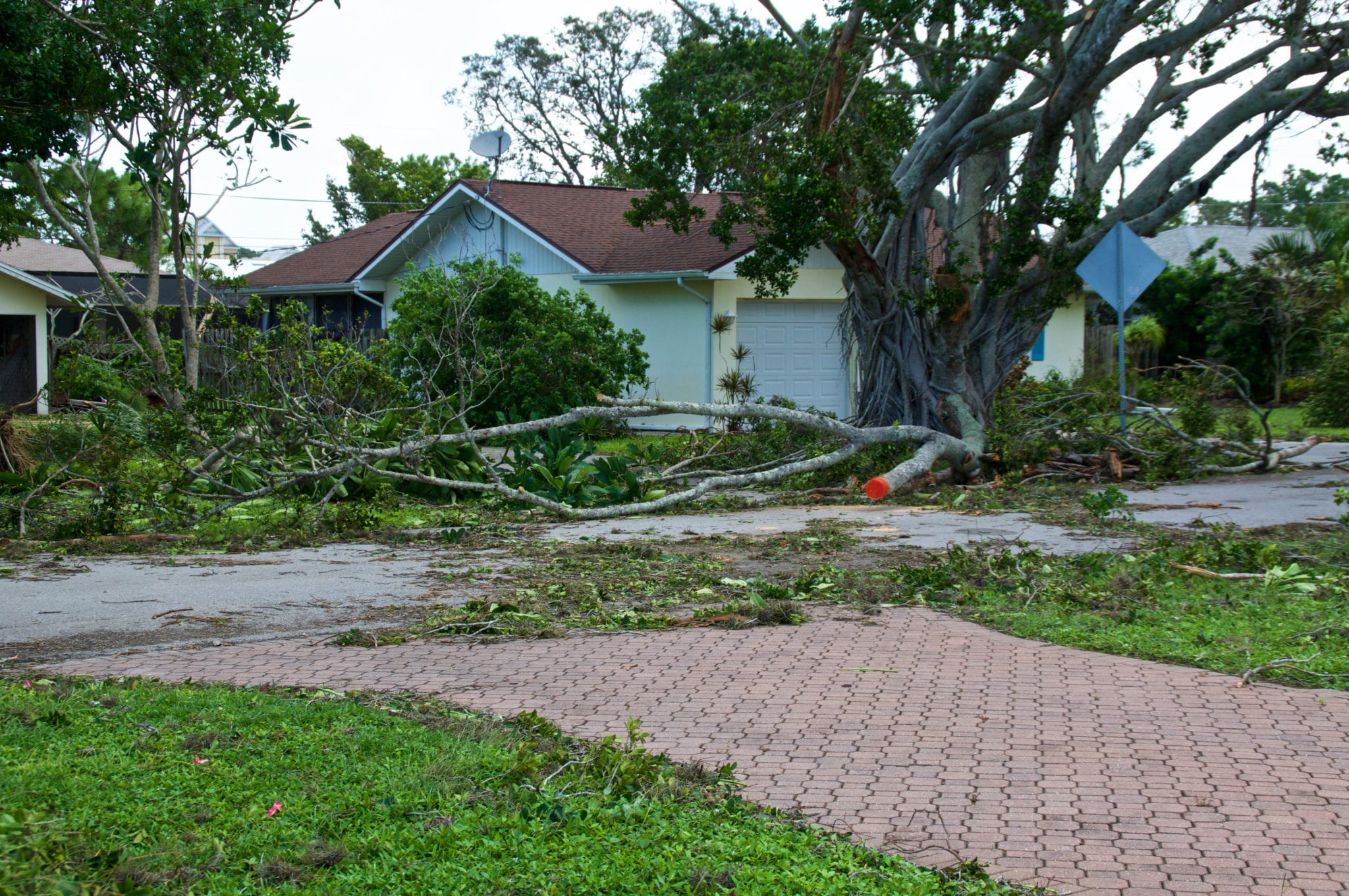
A Category 3 hurricane is capable of causing devastating damage. Expect well-built framed homes to incur major damage, including removal of roof decking and gable ends. Many trees will be snapped or uprooted, blocking roads. Electricity and water will be unavailable for several days to weeks. Coastal areas will experience significant flooding and storm surge, potentially inundating homes and businesses.
In short, a Category 3 hurricane is a force to be reckoned with. It's not just about wind; it's about the cascading effects – power outages, infrastructure damage, and the potential for significant loss of life.
To be better prepared for hurricane season, remember these tips:
- Know your zone: Determine if you live in an evacuation zone and familiarize yourself with evacuation routes.
- Have a plan: Create a family emergency plan, including communication strategies and meeting points.
- Build a kit: Assemble a disaster supply kit with essentials like water, food, medication, and a first-aid kit.
- Stay informed: Monitor weather reports and heed warnings from local authorities.
- Secure your property: Trim trees, reinforce windows, and secure loose objects in your yard.
Ultimately, understanding the Saffir-Simpson scale, particularly the dangers of a Category 3 hurricane, is about taking responsibility for your own safety and well-being. Be prepared, be informed, and be safe.