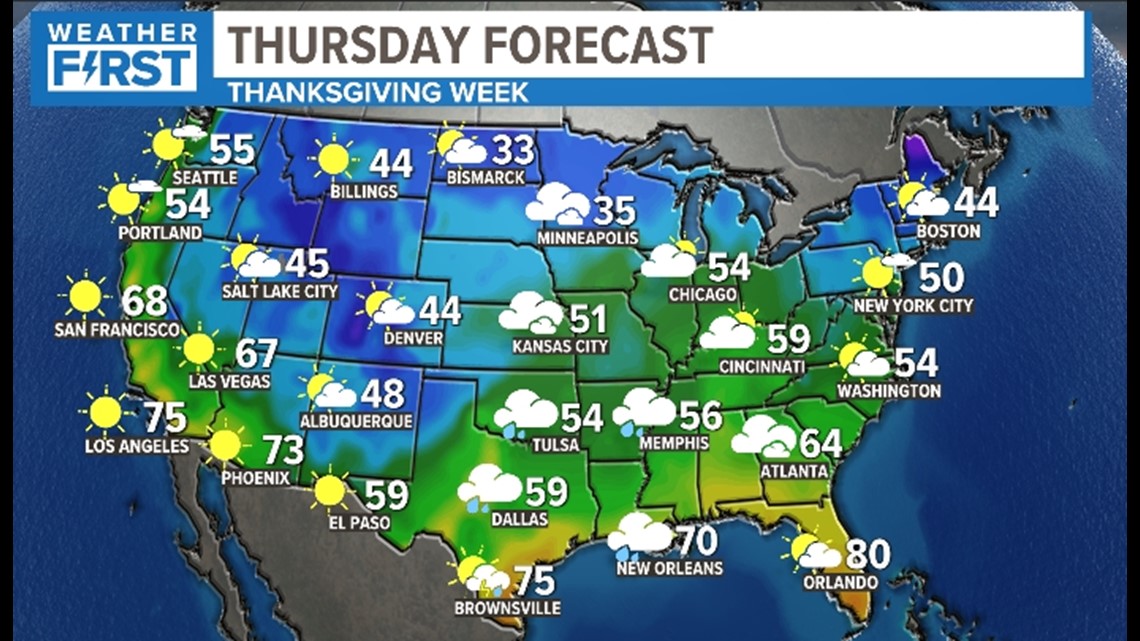
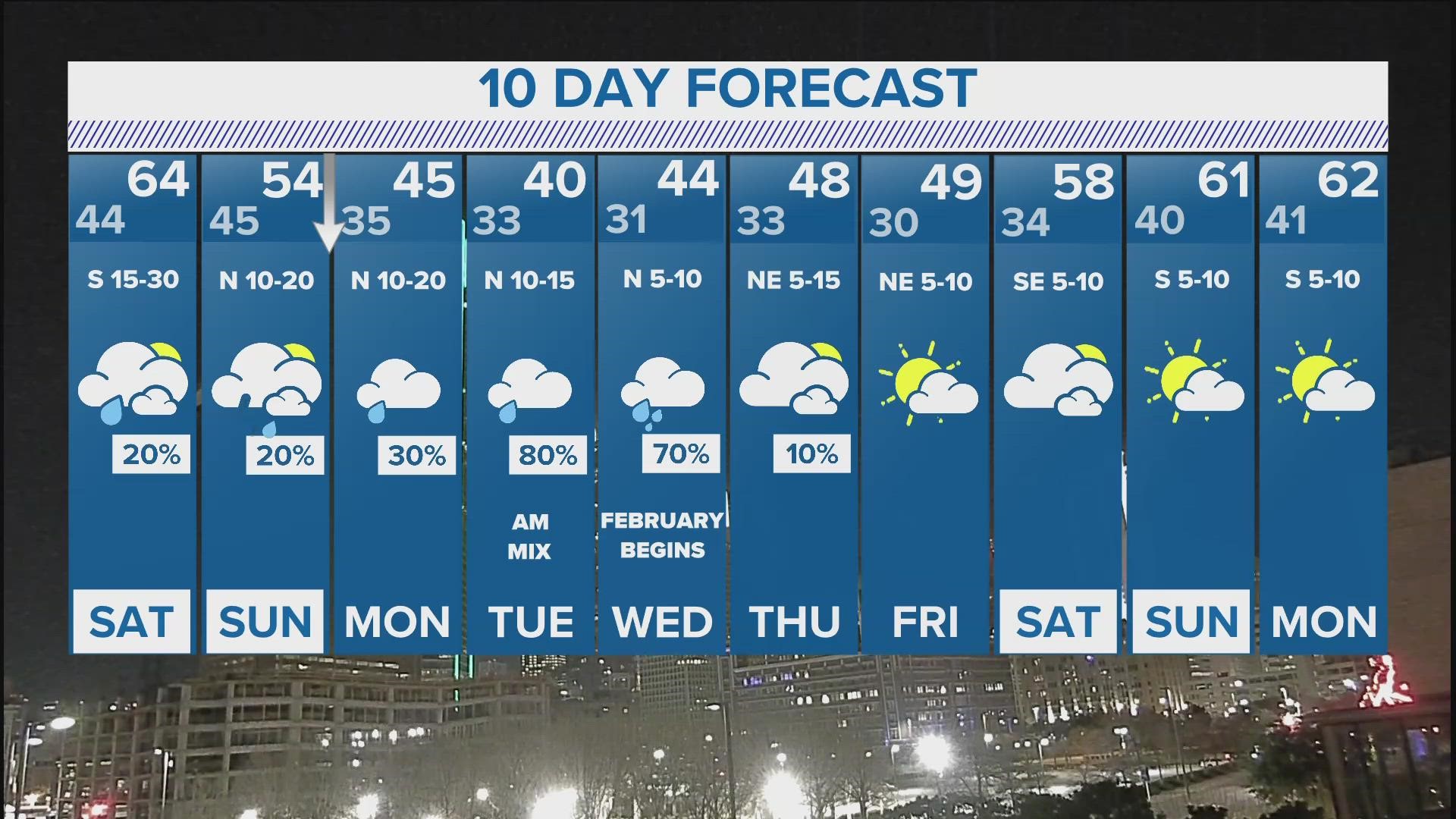
Imagine you're trying to figure out what to wear today. Do you check the weather forecast, right? That's weather in action: what's happening with the atmosphere right now, or in the very near future. Think of it as your outfit for the day: shorts and a t-shirt, a raincoat and boots, or maybe a cozy sweater and jeans.
But what if you were planning your wardrobe for the entire year? That's where climate comes in. It's like the overall style of your wardrobe, built upon years and years of observing the weather patterns.
Weather: The Daily Drama Queen
Weather is that friend who’s always dramatic. One minute it's sunny and beautiful, the next a torrential downpour. Weather is the immediate condition of the atmosphere at a specific time and place, involving temperature, precipitation, wind, humidity, and cloud cover.
Think about a surprise summer thunderstorm. That's weather! Or waking up to a blanket of snow when the forecast only predicted flurries. That's weather being its unpredictable self.
Weather can change in minutes, hours, or days. It's the daily headline, the thing you complain about to your neighbor while waiting for the bus.
Examples of Weather in Action
A sudden heatwave? That's weather. A tornado tearing through a field? Definitely weather. A rainbow after a spring shower? You guessed it, weather!
Weather dictates whether you can have that picnic, if the baseball game will be rained out, or if you need to shovel your driveway. It's the short-term atmospheric mood, always fluctuating and keeping us on our toes.
Remember that time you planned a beach vacation only to be greeted by five days of unrelenting rain? That was weather laughing in your face, proving it's in charge of the immediate situation.
Climate: The Long-Term Planner
Now, let's talk about climate. Climate is the average weather conditions in a specific location over a long period of time, usually 30 years or more. It's like the personality of a place, refined over decades of experience.
If you live in Florida, you expect hot, humid summers. That's climate at work. If you live in Alaska, you anticipate long, cold winters. That's climate setting the stage.
Climate is what allows you to say, "We usually have mild winters here," or "Our summers are typically dry." It's the established pattern, the reliable backdrop against which weather plays out its daily dramas.
Understanding Climate Through Observation
Scientists analyze decades of weather data to determine a region's climate. This data includes temperature, precipitation, wind patterns, and other atmospheric factors.
By studying these long-term trends, they can identify patterns and make predictions about future climate conditions. This is how we know that the Sahara Desert is generally hot and dry, or that the Amazon rainforest is consistently warm and wet.
Imagine keeping a weather journal every day for 30 years. Then, you average out all the temperatures, rainfall amounts, and wind speeds. That's essentially what climate scientists do, but on a much larger and more sophisticated scale.
How They're Related: A Complicated Relationship
So, how are weather and climate related? Think of it this way: weather is a snapshot, while climate is the entire photo album. Weather is what you're wearing today, while climate is your overall wardrobe.
Weather contributes to climate. All those individual weather events, day after day, year after year, add up to create the long-term patterns that define a region's climate.
Climate sets the stage for weather. It dictates the general range of possibilities. For example, it's unlikely to snow in the Sahara Desert, regardless of the daily weather forecast, because the climate is simply too hot and dry.
The Hilarious Analogy of a Dog Walker
Imagine you're walking a dog (weather) on a leash. The dog can dart back and forth, sniff every tree, and chase every squirrel. Its movements are unpredictable and short-term.
But you (climate) are still guiding the dog along a general path. You might be headed to the park, even if the dog takes a detour to investigate a particularly interesting garbage can. You determine the overall direction and destination.
The dog's erratic behavior represents the daily fluctuations of weather, while your planned route represents the long-term trends of climate. They're interconnected, but distinct.
Climate Change: When the Wardrobe Needs an Overhaul
Climate change is a shift in those long-term average weather patterns. It's like your wardrobe suddenly starting to include a lot more raincoats, even though you live in a traditionally sunny area. It indicates something fundamental is changing.
This can involve changes in temperature, precipitation, sea level, and other climate variables. These changes can be caused by natural factors, such as volcanic eruptions, or by human activities, such as burning fossil fuels.
Understanding the difference between weather and climate is crucial for understanding climate change. It helps us to see that individual weather events, like a particularly hot summer, are not necessarily proof of climate change, but that long-term trends of warming temperatures are a cause for concern.
Why it Matters to You
Even if you're not a scientist, understanding the difference between weather and climate is important. It helps you make informed decisions about your life and your community.
It allows you to plan for the future, prepare for potential risks, and advocate for policies that address climate change. You can also discuss the issues with your friends and family and engage them in the discussion.
By understanding how these two concepts relate, you can become a more informed and engaged citizen, better equipped to navigate the challenges and opportunities of a changing world.
In Conclusion: It's All About Perspective
So, the next time you check the weather forecast, remember that it's just one snapshot in a much larger story. Weather is the daily headline, while climate is the ongoing narrative. Weather is the spice, while climate is the overall flavor of the dish.
Both are essential for understanding the world around us, and appreciating the intricate dance of the atmosphere. Both are part of the beauty and complexity of our planet.
And perhaps, just perhaps, understanding the difference can make you appreciate that unexpected sunny day a little bit more, knowing that even in the grand scheme of climate, there's always room for a little bit of daily drama from the weather.