Okay, let's talk about something seriously cool (or rather, seriously hot!): geothermal power plants! Why is this fun? Because we're talking about tapping into the Earth's own heat to make electricity! It's like having a giant, natural radiator powering our homes. It’s useful because it's a renewable energy source, meaning we won't run out of it anytime soon, and it’s growing in popularity as we search for cleaner ways to generate power.
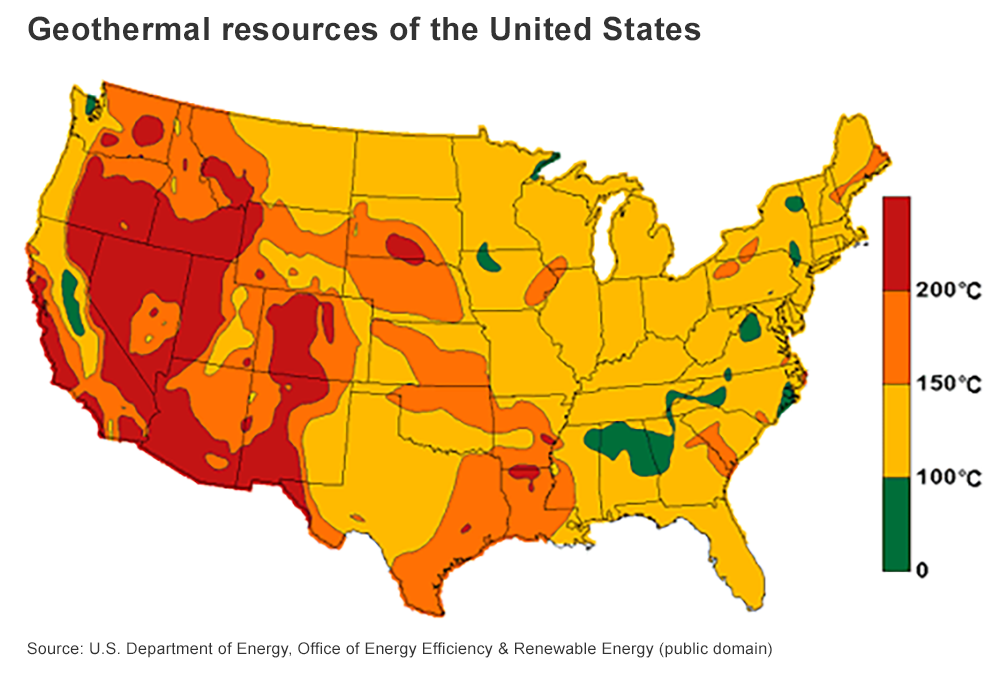
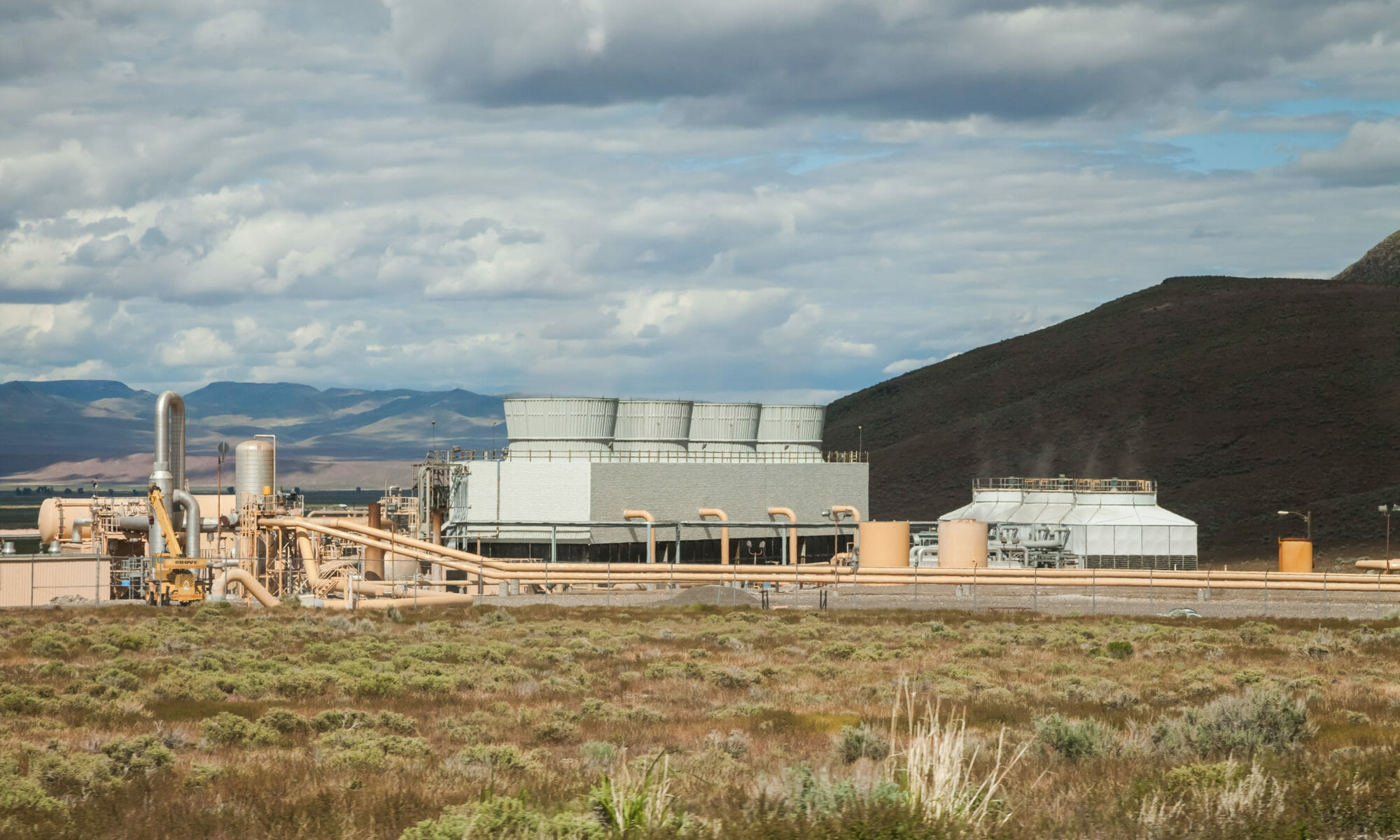
So, what exactly are these geothermal plants doing? Simply put, they're taking advantage of the Earth's internal heat. Deep beneath our feet, it's incredibly hot. Geothermal plants drill wells into these hot reservoirs, bring the heated water or steam to the surface, and use it to spin turbines that generate electricity. Think of it like a giant steam engine, but instead of burning coal or gas, we're using the Earth's own furnace.
Benefits for Beginners: If you're just starting to learn about renewable energy, geothermal is a great place to begin. It's reliable (unlike solar or wind, it's available 24/7), and it produces relatively little pollution compared to fossil fuels. It’s a consistent power source, that doesn't rely on the weather.
Benefits for Families: Geothermal is a way to think about how our energy consumption impacts the planet. Discussing it with kids can spark curiosity about science, engineering, and environmental responsibility. Plus, many geothermal areas are located in beautiful landscapes, making them great for family vacations. Who knows, maybe you’ll visit a geothermal area on your next road trip!
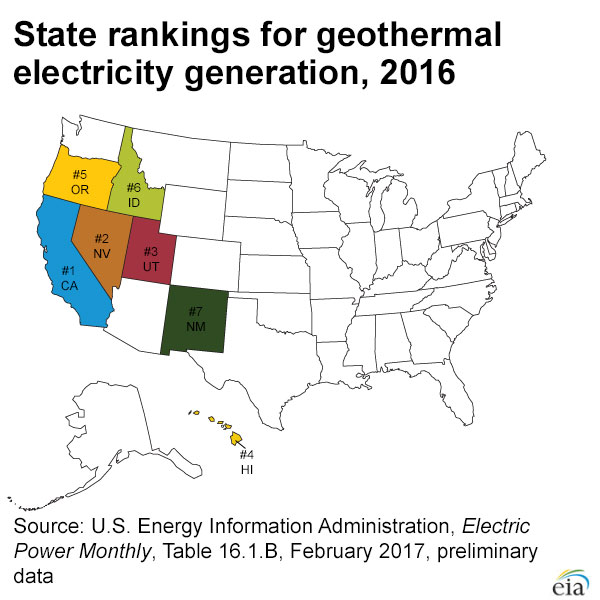
Benefits for Hobbyists (like amateur environmentalists or citizen scientists): Geothermal offers opportunities for citizen science! You can research local geothermal resources, explore careers in renewable energy, or even advocate for policies that support geothermal development in your community. There are even online resources that track geothermal projects around the world.
Examples and Variations: The Geysers in California is the largest geothermal power production complex in the world! It uses naturally occurring steam to generate electricity. Other plants use hot water, which is either directly used to power turbines or used to heat a secondary fluid that then drives the turbines. There are even enhanced geothermal systems (EGS) being developed, which create artificial geothermal reservoirs in areas that don't naturally have them. Think of it as building your own underground power plant!
Simple Tips for Getting Started: Want to learn more? First, research geothermal energy in your state or region. Many states have geological surveys or energy offices that provide information. Second, consider a virtual tour of a geothermal plant online. Many organizations offer virtual tours to educate the public. And third, support businesses and organizations that are committed to renewable energy, including geothermal. Your choices can make a difference!
So, there you have it – a quick introduction to the world of geothermal power. It’s a fascinating field with huge potential to help us create a cleaner, more sustainable energy future. It’s not just about electricity; it's about harnessing the Earth's power responsibly. Hopefully, this sparked your interest, and you'll continue to explore the amazing world of geothermal energy. It is indeed a journey to explore the benefits of Mother Earth.