Ever wonder about energy hiding right beneath our feet? We're talking about geothermal energy! It's like Earth's own little secret power source. And guess what? We can use it to make electricity.
What's the Big Deal with Geothermal?
So, what exactly is geothermal energy? It's simply heat from the Earth's interior. Think of it as a giant, naturally heated radiator down there.
This heat comes from the Earth's formation and radioactive decay. It's been simmering for billions of years. And it is constantly being replenished, making it an renewable energy source.
Geothermal: Nature's Hotspot
The Earth's core is scorching hot, like over 9,000 degrees Fahrenheit! That’s hotter than the surface of the sun.
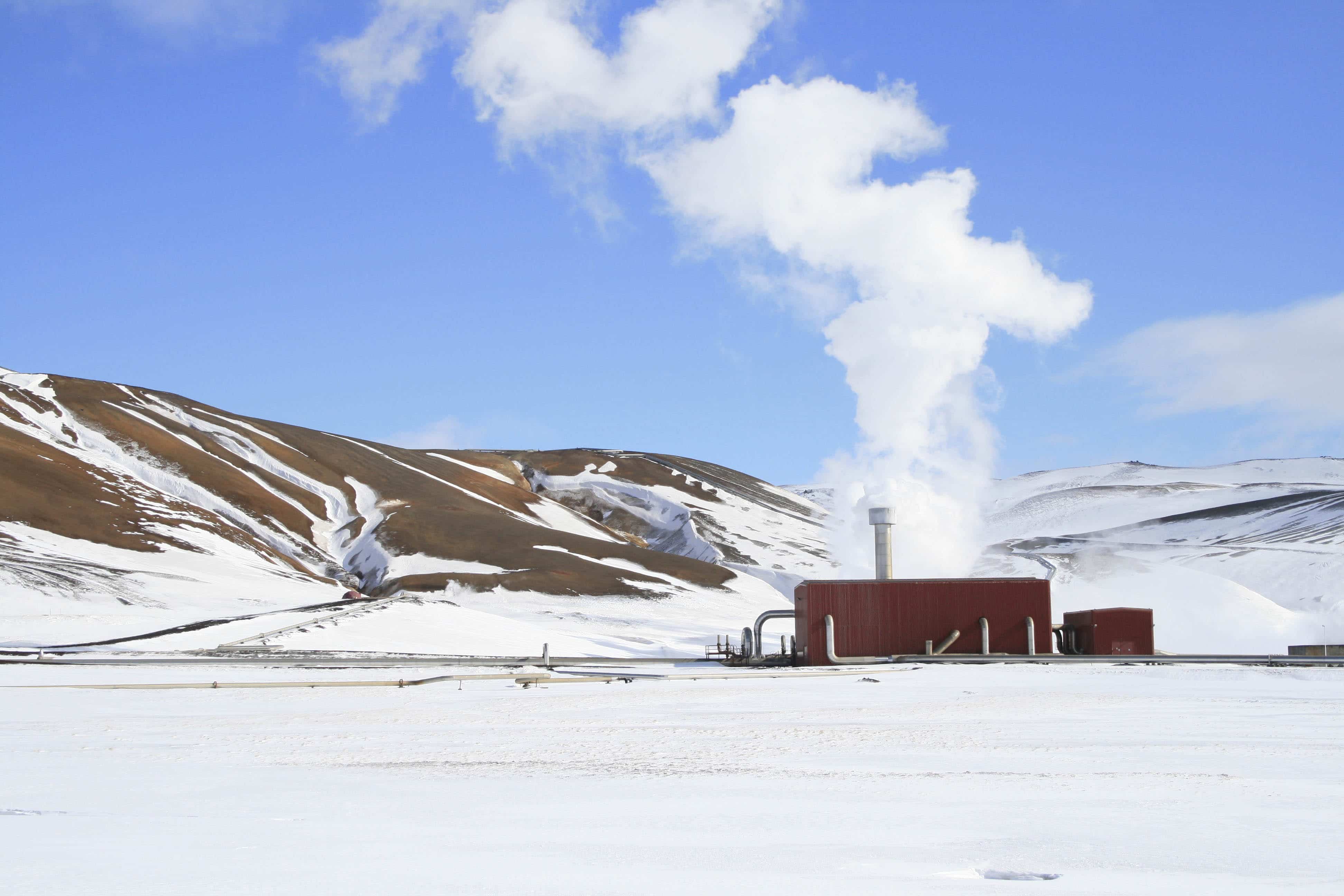
Thankfully, we don't have to dig all the way to the core to tap into this energy. In some places, the heat is closer to the surface, creating geothermal hotspots. Iceland, for example, is a geothermal paradise!
How We Snag That Underground Heat?
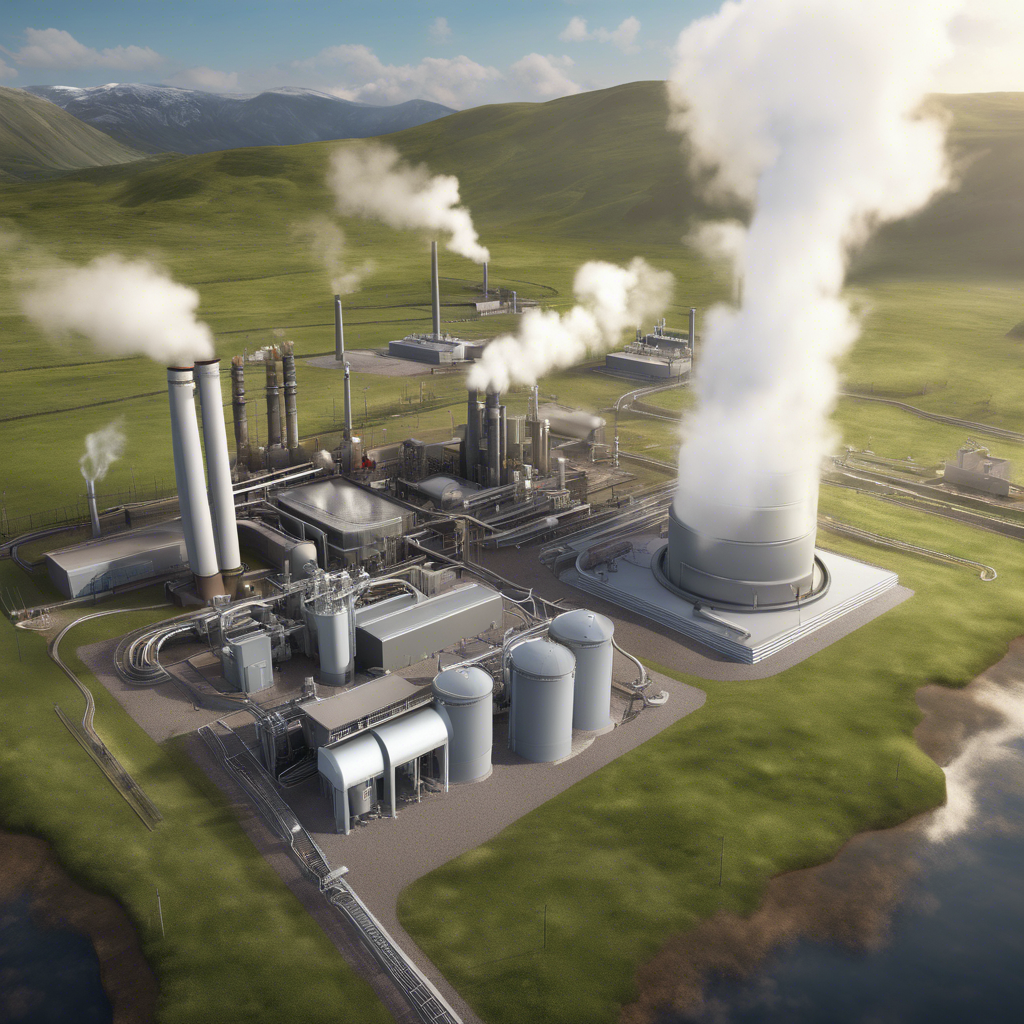
Okay, so we know the Earth is hot. But how do we actually get that heat and turn it into electricity? That's where geothermal power plants come in.
These plants are like high-tech kitchens, cooking up electricity with Earth's natural ingredients. There are a few different ways they do this.
Direct Steam Power Plants
Imagine a geyser, shooting hot steam into the air. Direct steam plants are similar to that.
They directly use steam from underground reservoirs to spin turbines. The spinning turbine drives a generator, which produces electricity. It’s like a giant, natural steam engine!
These are the simplest and oldest types of geothermal plants. Think of it as the OG method for geothermal energy.
Flash Steam Power Plants
What happens when you release the pressure on very hot water? It flashes into steam! That’s the key to flash steam plants.
These plants pump high-pressure hot water from deep underground into a low-pressure tank. This causes the water to rapidly convert into steam.
The steam then spins a turbine, generating electricity. It's a bit more complex than direct steam, but it's also more common.
Binary Cycle Power Plants
Binary cycle plants are the cool kids of the geothermal world. They're more efficient and can use lower-temperature geothermal resources.
These plants use hot water to heat a second liquid with a lower boiling point, like isobutane. This second liquid turns into vapor, which then drives a turbine.
Because the geothermal water never directly contacts the turbine, these plants are better for resources that contain dissolved minerals. It's like a geothermal spa day for the machinery!
Why Geothermal is Awesome (and a Little Bit Funky)
So, why should you care about geothermal energy? Well, it's got a lot going for it.
Clean and Green
Geothermal energy is a renewable resource. The Earth's heat isn't going anywhere anytime soon.
Compared to fossil fuels, geothermal power plants produce very little greenhouse gas emissions. It’s a much cleaner way to get our energy fix.
Reliable and Consistent
Unlike solar and wind, geothermal energy is available 24/7. It doesn't depend on the sun shining or the wind blowing.
It's a constant, reliable source of power. Think of it as the dependable friend you can always count on.
A Local Hero
Geothermal resources are often found in specific regions, like Iceland, New Zealand, and parts of the United States. This means that geothermal energy can be a locally produced energy source.
It reduces reliance on imported fuels and supports local economies. It’s like rooting for the home team!
Not Just for Electricity
Geothermal energy isn't just for making electricity. It can also be used for direct heating.
Think of heating buildings, greenhouses, and even fish farms. It's a versatile energy source.
Geothermal's Quirks and Challenges
Okay, so geothermal energy is pretty great. But it's not perfect. It does have some challenges.
Location, Location, Location
Geothermal resources aren't evenly distributed around the world. You need to be in a geothermally active area to tap into this resource.
That means that some regions are simply out of luck when it comes to geothermal power. It's all about location, location, location!
Upfront Costs
Building geothermal power plants can be expensive. The initial investment is higher compared to some other energy sources.
But, over the long term, geothermal plants can be cost-effective. Think of it as a long-term investment in a sustainable future.
Environmental Concerns
While geothermal is cleaner than fossil fuels, it's not completely emission-free. Some geothermal plants can release small amounts of greenhouse gases, such as carbon dioxide and hydrogen sulfide.
Also, geothermal development can sometimes cause land subsidence or trigger minor earthquakes. It's important to carefully manage geothermal projects to minimize these impacts.
The Future is Hot (Geothermally Speaking)
Despite the challenges, geothermal energy has a bright future. As technology improves, we're finding new and innovative ways to tap into this resource.
Enhanced geothermal systems (EGS) are a promising technology. They aim to access geothermal resources in areas that aren't naturally hot or permeable.
This could significantly expand the availability of geothermal energy worldwide. It's like unlocking a whole new world of geothermal potential!
So, What Do You Think?
Geothermal energy is a fascinating and promising energy source. It's clean, reliable, and locally produced.
While it has its challenges, ongoing research and development are paving the way for a geothermal-powered future.
Maybe one day, you'll be living in a home heated by the Earth itself! It’s like having a superpower. It's definitely something worth checking out and exploring further!
So next time you are looking for an interesting subject to explore, don't forget about geothermal energy.