Ever wondered why we hear so much about renewable energy? It's usually in contrast to something called non-renewable resources. Fossil fuels are a big part of that conversation. Why exactly are they labeled as non-renewable?
The "Non" Factor
It all boils down to time, really. Think of it like this: making cookies takes time. But baking fossil fuels takes...millions of years!
We're talking about geological timescales. That's way beyond your average weekend baking session.
Essentially, fossil fuels are classified as non-renewable because they cannot be replenished at a rate comparable to their consumption. That's the official way to say it. But let's break it down.
Ancient Sunshine and Tiny Organisms
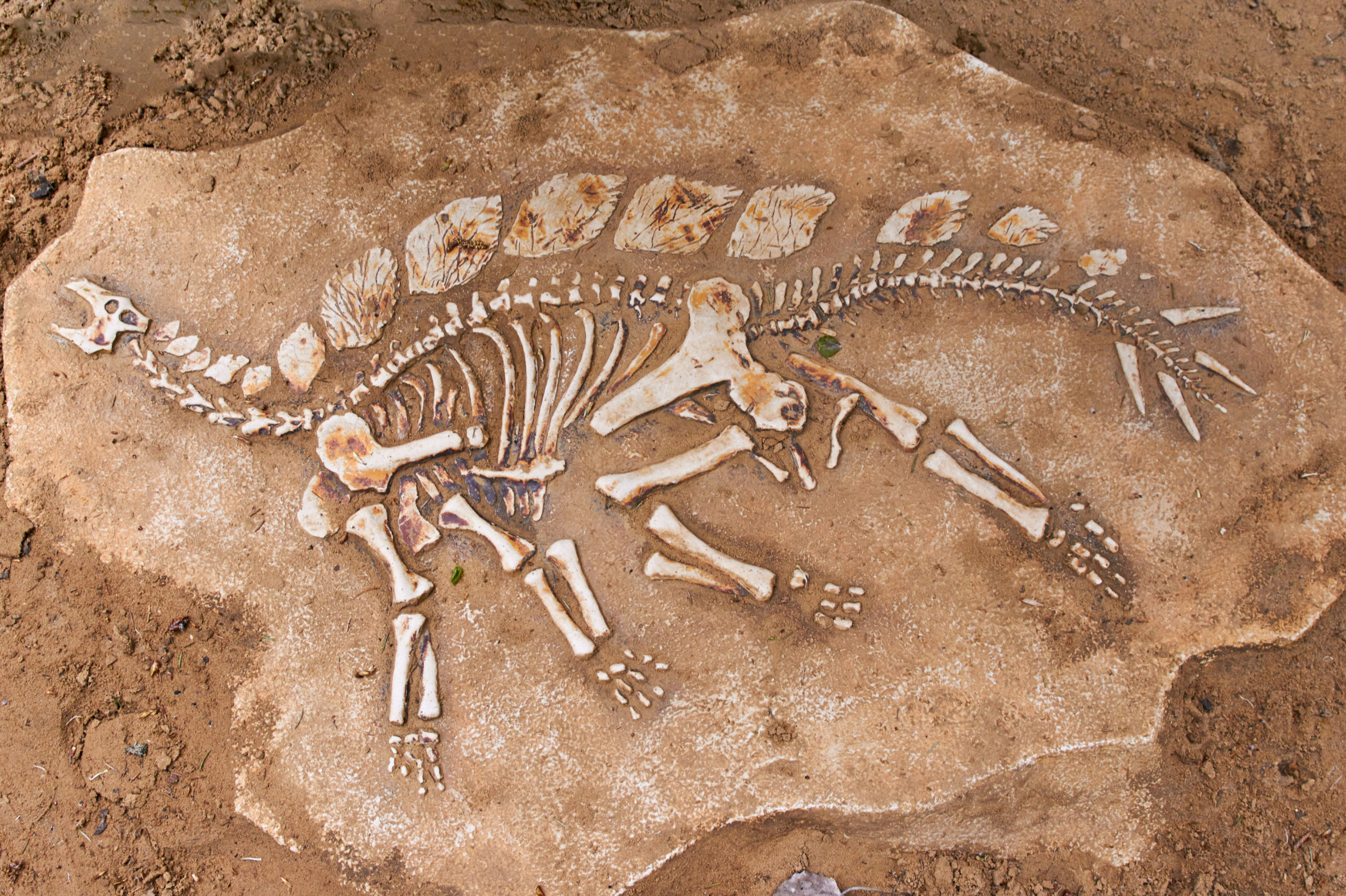
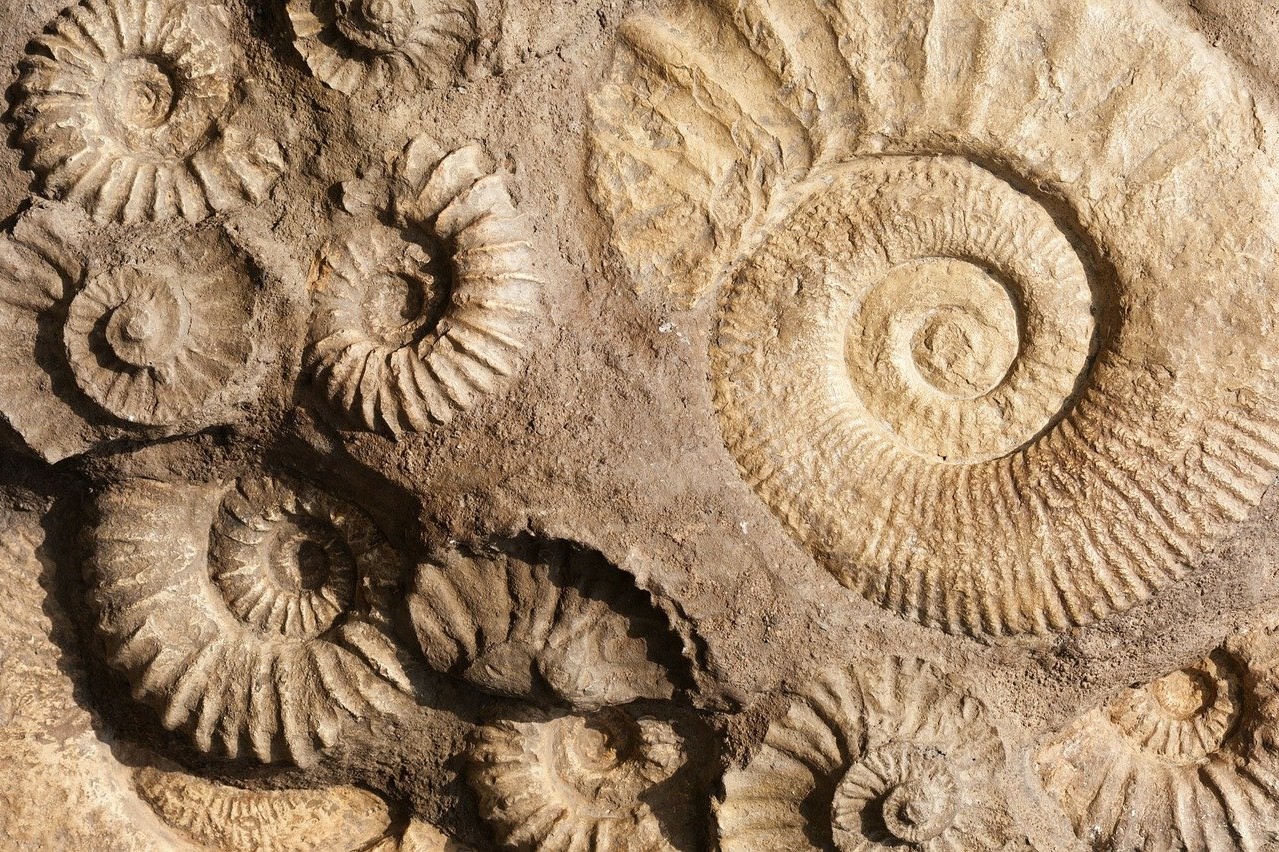
Fossil fuels – coal, oil, and natural gas – are made from the remains of ancient plants and animals. Imagine dinosaurs roaming around millions of years ago. When they and other living beings died, their organic matter began a very, very slow transformation.
Over millions of years, under intense heat and pressure deep within the Earth, this organic matter transformed. It slowly became the fuels we use today.
So, the sun's energy got trapped in ancient plants and animals. It's like a super-long-term energy storage situation!
The Consumption Conundrum
Here's the kicker: we're burning through these fuels much faster than they can be created. We're talking about a rate that's almost impossible to fathom.
Imagine a slow-motion movie. That's how fast fossil fuels are forming. Then, imagine hitting the fast-forward button on their consumption. That's us!
We're using up a resource that took millions of years to create in a matter of decades or centuries. That's a serious imbalance.
Why Millions of Years Matter
Let's put it another way. Imagine you have a savings account. But you're spending way more money than you're earning. Eventually, you'll run out, right?
That's essentially what's happening with fossil fuels. The "earning" (formation) rate is incredibly slow. The "spending" (consumption) rate is incredibly fast.
The earth is still making fossil fuels, just not at a pace relevant to human needs. It's like waiting for a tree to grow to build a house when you need shelter tonight.
Geological Time vs. Human Time
Think about it this way: A million years is a really, really long time. Human history, on the other hand, is a relatively short blip on the geological timeline.
We're operating on completely different timescales. That's why the term "non-renewable" is so crucial.
It highlights the fact that we can't just rely on these resources forever. They will eventually run out.
The Renewable Alternative
This is why there's so much emphasis on developing renewable energy sources. Solar, wind, hydro, and geothermal energy are constantly being replenished by natural processes.
The sun shines every day. The wind blows (most of the time!). Rivers flow. The Earth radiates heat.
These resources are essentially inexhaustible on human timescales. They offer a more sustainable way to power our world.
Sustainability is Key
The concept of sustainability is central to the discussion of renewable and non-renewable resources. Sustainability means meeting our current needs without compromising the ability of future generations to meet their own needs.
Burning fossil fuels at our current rate is simply not sustainable. It depletes a finite resource and contributes to environmental problems.
Shifting towards renewable energy is a crucial step in creating a more sustainable future. It's about ensuring that future generations have access to the resources they need to thrive.
So, What’s the Takeaway?
Fossil fuels are classified as non-renewable because their formation takes millions of years. We're using them up at a rate far exceeding their natural replenishment.
It’s like borrowing from the very distant future, which, honestly, isn’t very nice. It's a resource that is limited.
The good news? We're realizing this and looking for ways to be better resource stewards. Renewable energy is the future, and it's an exciting one!
Why This Matters To You
Understanding why fossil fuels are non-renewable is more than just an interesting fact. It’s key to understanding the choices we make about energy. It helps us understand how those choices affect the planet and future generations.
Even small changes in our energy consumption can make a difference. From using less electricity to supporting policies that promote renewable energy. Every little bit helps.
It’s about thinking critically about the energy we use and the impact it has on the world. Because who doesn’t want a healthier planet and a brighter future?
Dig Deeper!
Want to learn more? There are tons of resources available to explore the topic of fossil fuels and renewable energy. Check out websites from organizations like the Environmental Protection Agency (EPA), the Department of Energy (DOE), and various environmental groups.
Many documentaries and books delve into the complexities of energy production and consumption. They also explore the challenges and opportunities of transitioning to a sustainable energy future.
You can even find educational games and simulations that make learning about energy fun and engaging. Knowledge is power!
The Future is in Our Hands
The classification of fossil fuels as non-renewable isn't just a label. It's a call to action. It's a reminder that we need to be mindful of our consumption habits and embrace sustainable alternatives.
The future of energy is being written right now. Every choice we make, every policy we support, contributes to shaping that future.
Let's work together to create a world powered by clean, sustainable energy for generations to come. Let's make sure there's enough "energy cookies" for everyone!