Hey, did you know where your dinner *really* comes from?
I mean, yeah, the grocery store. But before that? Farms, of course! And what feeds those farms? Soil! Good ol' Mother Earth's dirt.
But here's a quirky fact: our quest for energy can seriously mess with that very soil! Like, whoa, talk about an unintended consequence!
Fossil Fuels and Funky Fields
Let's chat about fossil fuels. We dig 'em up, burn 'em, and power our world. Awesome, right?
Well, not entirely. Burning coal, oil, and natural gas releases all sorts of pollutants into the air. These then fall back to earth like toxic rain. It's called acid rain, and it's *not* your skin's best friend (or your soil's).
Acid rain changes the pH of the soil. It makes it more acidic (duh!). That makes it harder for plants to absorb the nutrients they need. Plants get all sad and droopy. It's like trying to feed them poison snacks.
And get this: heavy metals like mercury and lead, also released by burning fossil fuels, can accumulate in the soil. These metals are like unwanted party guests that never leave. They contaminate the food chain. Eventually, we *eat* them! Yikes!
Think of it like this: imagine pouring soda on your garden. Not exactly a recipe for juicy tomatoes, right?
Nuclear's Not-So-Neutral Impact
Nuclear energy: super powerful, but also a little... intense, right?
Accidents happen. Chernobyl. Fukushima. These are *not* just place names; they are wake-up calls. When a nuclear accident occurs, radioactive materials are released into the environment.
These materials can contaminate soil for decades, even centuries! Think about that: centuries of no growing crops in the area. Talk about a food desert! Radioactive soil is nobody's friend.
The fallout lands on the soil and gets absorbed by plants. Then, boom, we eat those plants. Imagine that in your next salad. Okay, maybe don't.
Renewables and Their Relative Relief
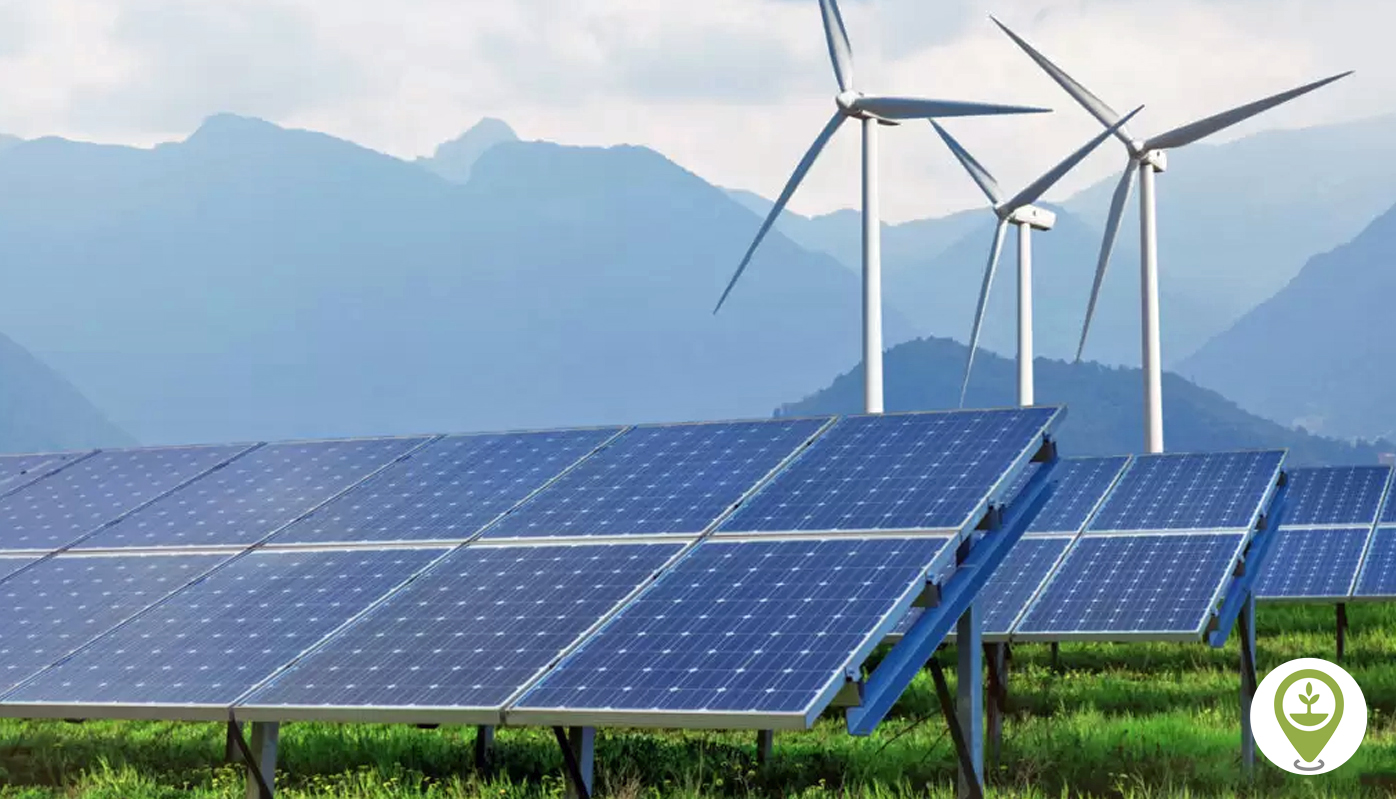
Okay, okay, it's not *all* doom and gloom! Renewable energy sources like solar, wind, and hydro are generally much gentler on the soil.
Solar panels? They need land. But they don't typically release pollutants into the soil directly. It’s more of a land use issue than a soil contamination one.
Wind turbines? Again, land use is the main thing. Plus, they're kind of majestic, right? Just giant metal windmills, churning out electricity. Okay, I admit it, I'm a fan.
Hydroelectric dams? These can change river flow, which can affect soil erosion and sediment deposition downstream. But direct soil contamination is usually less of a worry.
However, building these things can still have *some* impact. Construction always does. It's kind of like when you remodel your kitchen: things get messy before they get better.
Agriculture's Awesome (and Vulnerable) Position
Here's the heart of the matter: agriculture depends on healthy soil. No healthy soil, no food. Simple as that.
Soil contamination from energy production can reduce crop yields, lower the nutritional value of food, and even make some food unsafe to eat.
This affects farmers, consumers, and the entire food system! It’s a real ripple effect, like a pebble dropped in a very large, very important pond.
Think about your favorite fruit or veggie. Now imagine it's grown in contaminated soil. Suddenly, it's not so appetizing, right?
What Can We Do? (Besides Panic)
So, what can we do? Well, a few things!
Support cleaner energy sources. The more we transition to renewables, the less we rely on fossil fuels and nuclear.
Advocate for stronger environmental regulations. We need to make sure that energy companies are held accountable for their environmental impact.
Eat locally and sustainably. This supports farmers who are committed to soil health. Plus, local food just tastes better!
Educate yourself and others. The more people know about this issue, the more likely we are to find solutions. And that's kind of the whole point, right?
It's not about being perfect, it's about making progress. Every little bit helps. Even just thinking about where your food comes from is a step in the right direction!
So next time you bite into a juicy apple or a crispy carrot, take a moment to appreciate the soil that made it all possible. And maybe think twice about how we get our energy, too!