Ever tried using a rubber band to power your toaster? Probably not! And for good reason.
Some things just aren't built for the electrifying world of circuits and currents. These defiant rebels are what we call insulators!
Meet the Insulators: Nature's Bodyguards
So, elements that cannot conduct electricity are classified as, you guessed it, insulators. Think of them as the bodyguards of electricity, keeping it from going where it shouldn't.
They're the heroes preventing your microwave from turning your entire kitchen into a giant, glowing ball of plasma. A noble cause, indeed!
Think of your home wiring. Sure, copper (a fantastic conductor!) is zipping electricity all over the place. But that copper is usually coated in plastic, right?
That plastic, my friends, is an insulator doing its darnedest to keep you safe from accidental shocks. It's like a superhero cape for electricity, making sure it stays on the right path.
Common Culprits: The Usual Suspects
Let's meet some of the most common culprits in the insulator gang.
First up, we have rubber. This bouncy material is a champion insulator. If rubber conducted electricity, your tires would be… well, terrifying.
Then there's plastic. From your toothbrush to your computer case, plastic is everywhere, keeping the electrical magic contained.
And don’t forget glass! Sure, it looks fancy in windows, but it's also a reliable insulator. Imagine lightbulbs made of conductive material – instant (and dangerous) fireworks!
Wood also joins the rank. It might seem rustic and natural, but wood is an excellent insulator, especially when dry. Which is why you should definitely NOT use a wet wooden spoon to poke around in your toaster!
Finally, we have air. Yes, even the air around you is an insulator! That's why you don't constantly get shocked just by existing (most of the time!).
Insulators: More Than Just Non-Conductors
Being an insulator isn't just about *not* conducting electricity; it's about actively resisting it. It's like a bouncer at a club, refusing entry to unwanted electrons.
The ability to resist the flow of electric charge is what makes them so useful.
Think about power lines. Those massive cables carrying electricity across the country are supported by ceramic insulators.
These insulators keep the electricity flowing *through* the wires, not *into* the poles or the ground. That would be a spectacularly wasteful (and dangerous!) situation.
Semiconductors: The Insulator's Tricky Cousin
Now, things get a little more interesting when we introduce semiconductors.
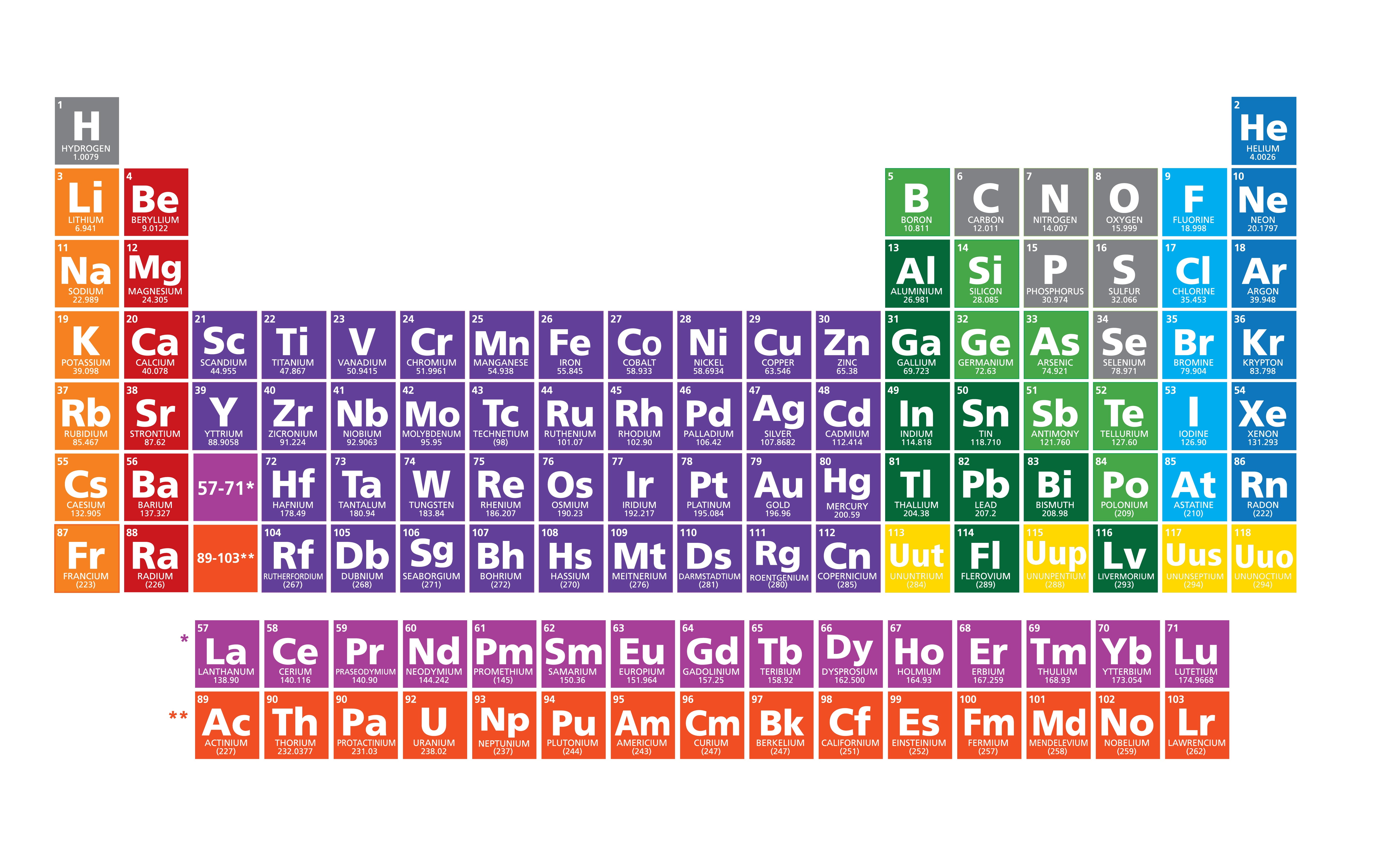
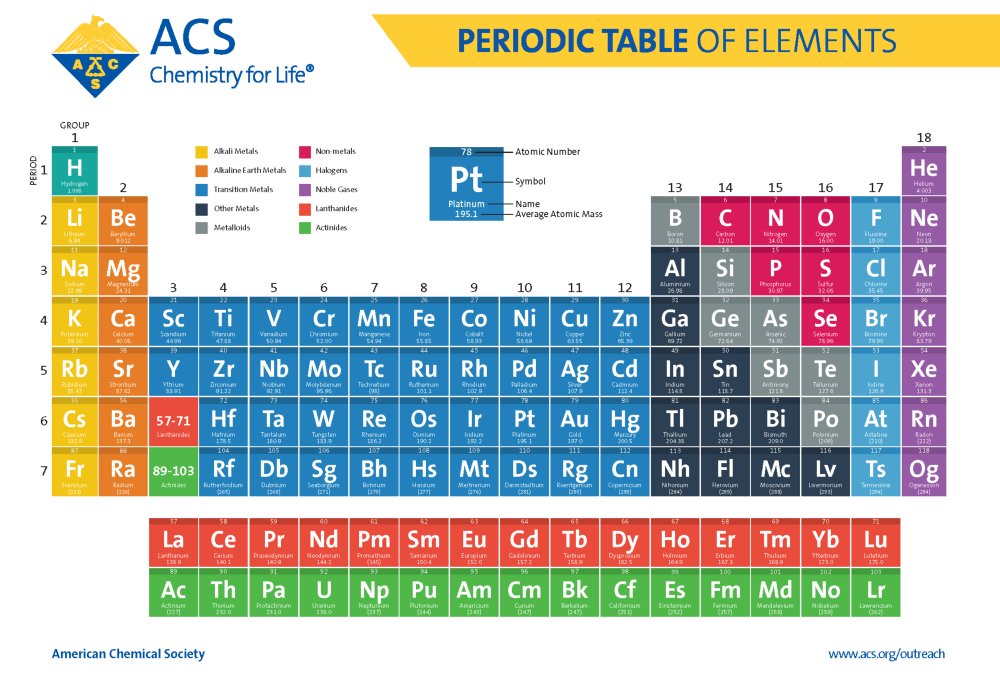
These materials, like silicon and germanium, are the rebels of the material world. They can act as insulators *sometimes*, but they can also conduct electricity under certain conditions.
Think of them as electricity’s mood ring, changing their conductivity based on factors like temperature or voltage. This makes them invaluable in electronics, like computers and smartphones.
They are neither pure conductors nor pure insulators but somewhere in between.
Semiconductors are the key components inside computers. They are tiny transistors that switches on and off to make decisions. It’s not just conducting but a smarter way of conduction.
Insulator Superpowers: Why We Need Them
Insulators aren't just passive bystanders; they're essential for our modern lives.
Without them, our electrical grid would collapse, our appliances would be death traps, and our smartphones would be useless lumps of metal and glass.
Imagine trying to use a hairdryer with a metal handle. Yikes!
They keep us safe from shocks, prevent short circuits, and allow us to control and direct electricity where we need it.
Consider medical equipment, such as defibrillators, where accurate placement of the electrical current is key.
And think about the sophisticated insulation used in spacecraft to protect electronics from the harsh environment of space.
From the humble rubber band to the high-tech ceramics used in power grids, insulators are the unsung heroes of the electrical world.
Beyond the Basics: Fun with Insulators
Want to have some fun with insulators? Try this simple experiment (with adult supervision, of course!).
Rub a balloon on your hair. The friction creates static electricity, which builds up on the balloon because it's an insulator.
Then, hold the balloon near small pieces of paper. The static charge will attract the paper, demonstrating the power of insulation to hold onto electrical charges. Cool, right?
This can also be observed with a plastic comb. Rub the comb with hair and then put it to some small paper to witness the power of insulator.
Remember that static cling on your clothes after they come out of the dryer? That's the power of insulation at work, too!
Insulators: A World of Applications
The world of insulators is vast and varied. They come in all shapes, sizes, and materials, each designed for a specific purpose.
From the simple electrical tape in your toolbox to the complex insulation systems in power plants, insulators are essential for controlling and managing electricity.
They’re also crucial in protecting sensitive electronics from electromagnetic interference, ensuring that our devices function correctly.
They play vital roles in industries ranging from telecommunications to aerospace, underpinning technologies that we often take for granted.
Future of Insulators
As technology advances, so does the need for better and more efficient insulators. Researchers are constantly developing new materials with enhanced insulating properties.
They’re exploring nanomaterials, composites, and even bio-based materials to create insulators that are lighter, stronger, and more environmentally friendly.
These advancements will lead to more efficient power grids, safer electronics, and innovative new technologies that we can only dream of today. The future is bright for insulators!
Who knew something that *doesn't* conduct electricity could be so important?
The Enduring Legacy of Insulators
So, the next time you flip a light switch, remember the humble insulator.
These materials, often overlooked, are the guardians of our electrical world, keeping us safe and powered up.
And remember: elements that cannot conduct electricity are classified as insulators and they are the unsung heroes of the modern age!