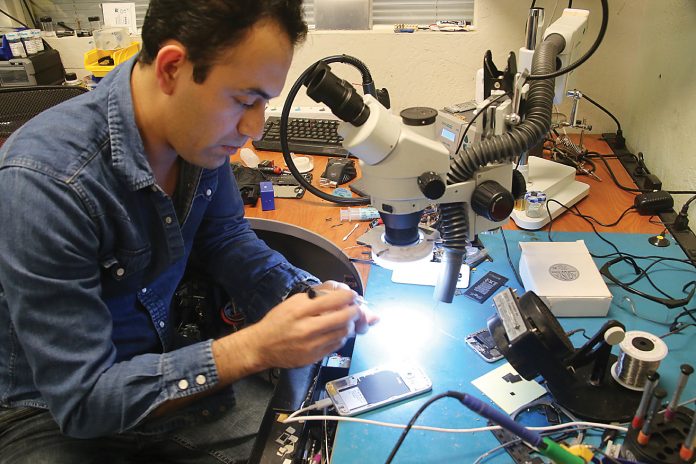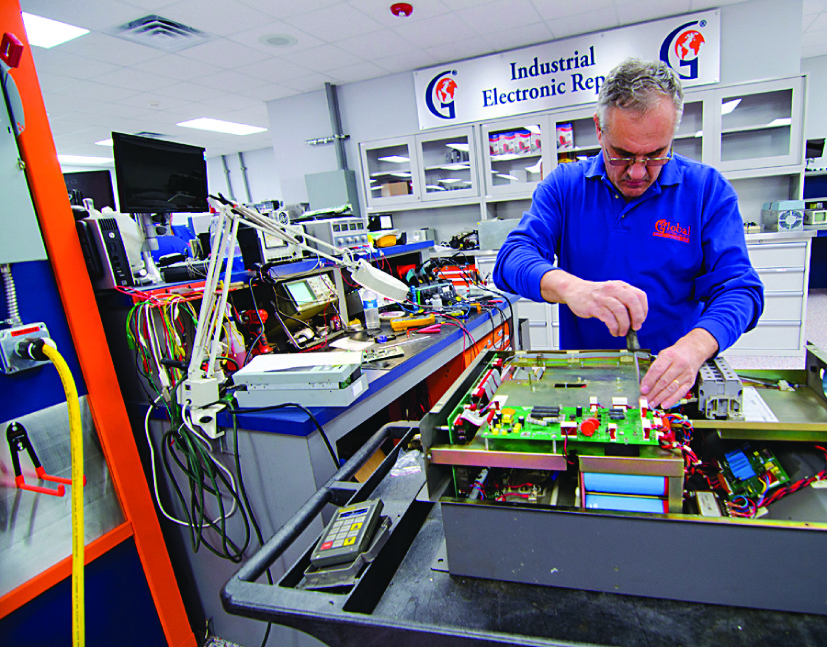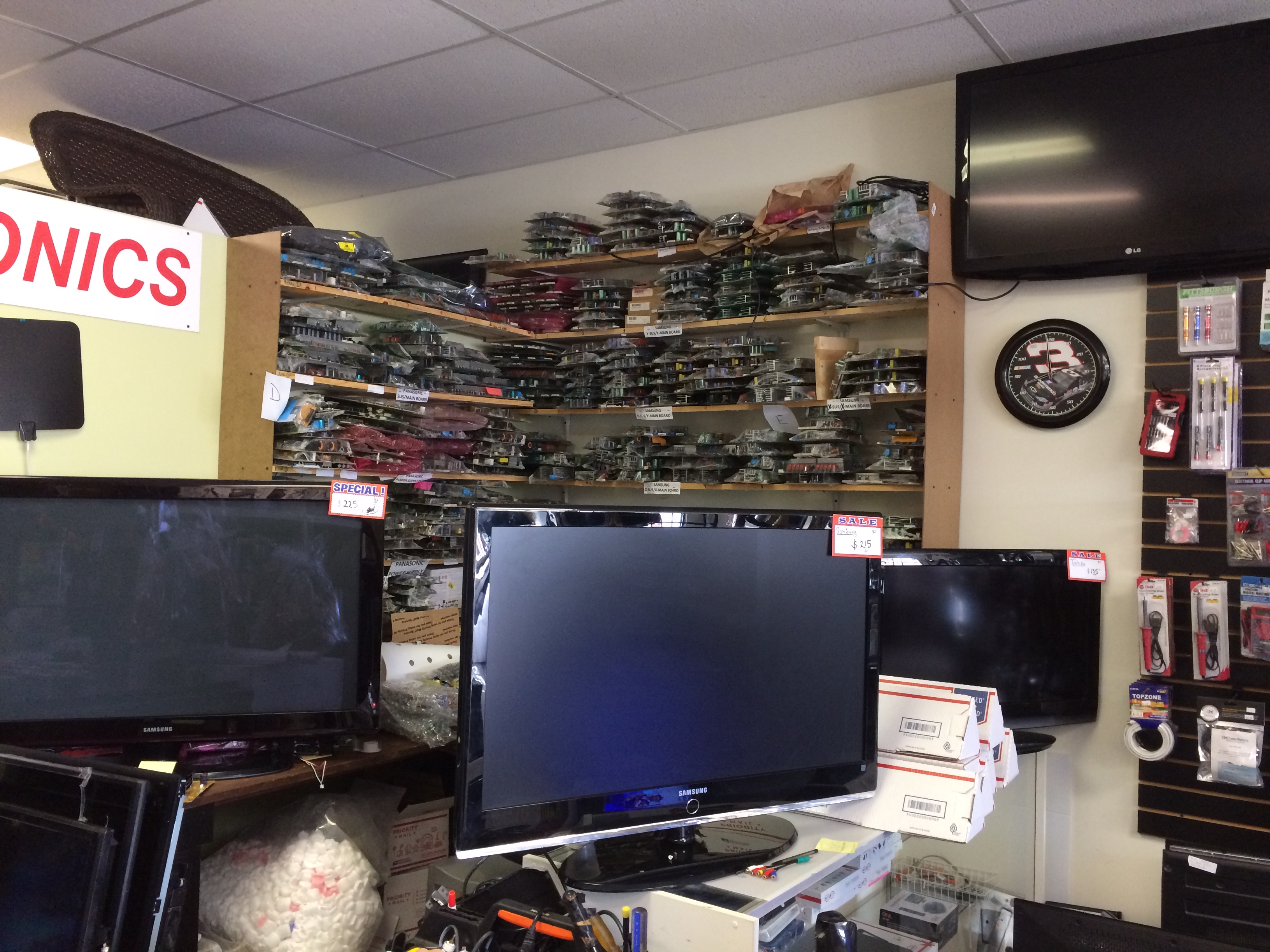
Ever feel that pang of sadness when your favorite gadget gives up the ghost? Or that surge of frustration when a beloved piece of tech simply refuses to cooperate? In a world of disposable electronics, there's a quiet rebellion brewing – and it's happening at the electronic repair shop near you. Forget tossing that broken blender; instead, picture yourself as a tech whisperer, breathing new life into discarded devices. This isn't just about fixing things; it's about unlocking a hidden creativity and connecting with the technology that shapes our lives.
For artists, hobbyists, and even the casually curious, the local electronic repair shop offers a treasure trove of opportunities. Think of it as a playground for innovation. Artists can repurpose discarded components to create stunning sculptures or kinetic art. Imagine crafting a modern mobile out of salvaged circuit boards, or designing a light installation using recycled LED screens. Hobbyists can delve into the inner workings of electronics, learning about circuitry, soldering, and component identification. This knowledge empowers them to build custom projects, modify existing devices, and even design their own gadgets. And for the casual learner? It's a fantastic way to understand how the technology around us actually works, demystifying the seemingly complex world of electronics.
The possibilities are truly endless. We've seen artists create steampunk-inspired jewelry from vintage watch parts, and musicians build custom synthesizers from recycled audio equipment. Some have even transformed old computers into interactive art installations, responding to light, sound, or movement. Think about the possibilities: repairing a vintage radio and rediscovering the warm crackle of analog sound, restoring a broken gaming console and reliving nostalgic memories, or simply fixing a faulty lamp and saving it from the landfill. The subjects and styles are as diverse as the people who pursue them.
Want to try your hand at electronic repair at home? Start small! Safety is paramount, so always unplug devices before working on them and wear appropriate eye protection. Begin with simple repairs, like replacing a damaged cable or a faulty switch. There are tons of online tutorials and resources available to guide you through the process. Invest in a basic toolkit that includes a soldering iron, multimeter, screwdrivers, and wire strippers. Most importantly, be patient and persistent. Mistakes happen, but each one is a learning opportunity.
The real joy of electronic repair lies in the sense of accomplishment you feel when you bring something back to life. It's about the satisfaction of understanding how things work, the thrill of solving a complex problem, and the pride of creating something new from something old. It's a journey of discovery, empowerment, and a celebration of the beauty and ingenuity hidden within the world of electronics. Plus, you're helping the environment by reducing electronic waste! So, next time something breaks, don't despair. Head to that electronic repair shop near you, or grab your toolkit and embrace the challenge. You might just surprise yourself with what you can achieve.