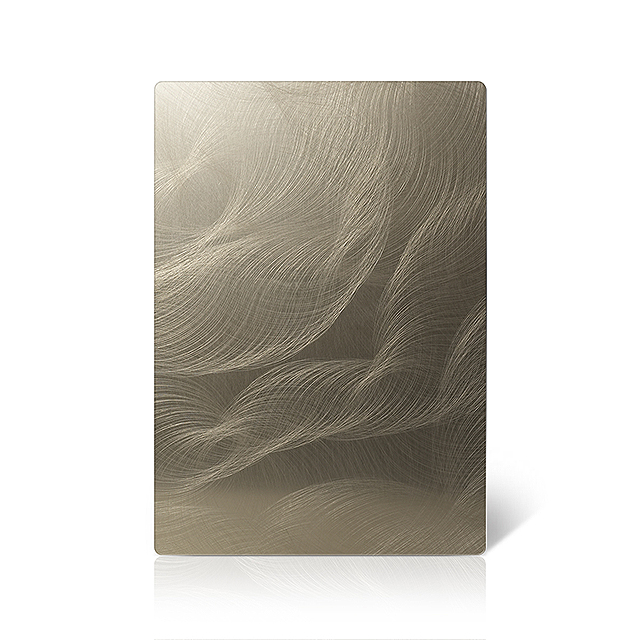
Ever looked at a piece of brightly colored aluminum – maybe a cool phone case, a fancy bike part, or even some modern art – and wondered how they got that amazing color? Chances are, it's something called electrolytic coloring of anodized aluminum. Sounds a bit sci-fi, right? But trust me, it's pretty darn cool. Let's dive in!
First things first, what's anodizing? Think of it as giving aluminum a super-powered, extra-thick skin of aluminum oxide. This skin is way tougher than the naturally occurring oxide layer that forms when aluminum is exposed to air. Why do we want this? Because it makes the aluminum more resistant to corrosion and wear. Basically, it's like giving your aluminum piece a superhero suit.
Now, the interesting part: How do we get that super suit to sport some seriously vibrant colors? That's where electrolytic coloring comes in. And it involves a bit of electrical wizardry!
The Electrolytic Coloring Process: It's All About the Electricity
Imagine a bathtub, but instead of bubbles, it's filled with a special solution containing metal salts. This bath is part of an electrolytic cell, which means we're going to run electricity through it.
We dunk the anodized aluminum piece into this bath. Now, here’s the kicker: is the aluminum part the cathode (negative electrode) or the anode (positive electrode) in this setup? Drumroll, please…
In electrolytic coloring, the anodized aluminum becomes the cathode! Yep, the negative side. Think of it as the "receiving" end of the electrical process. Remember "cats have negative ions" to help you remember.
Why the cathode? Well, the magic happens because the metal salts in the solution are attracted to the negatively charged aluminum piece. They're essentially pulled into the tiny pores that exist in the anodized layer. It's like tiny little doors opening and welcoming in the coloring agents.
These metal salts, often tin, nickel, cobalt, or copper, are then electrochemically deposited within these pores. The longer you leave the aluminum in the bath, and the stronger the current, the more metal deposits fill those pores.
The size of these metal deposits determines the color you see! It's all about how light interacts with those tiny metal particles. Think of it like this: a stained-glass window gets its color from the different colored glass pieces. Similarly, the anodized aluminum gets its color from the size and type of metal particles deposited within its pores.
Think of it like baking a cake. Anodizing is like prepping the pan - creating the right environment. Electrolytic coloring is like adding the food coloring to the batter. The intensity of the color and the final outcome depends on the amount of dye you add, and how long you bake it!
Why is This So Cool?
Okay, so we know how it works, but why is it such a neat trick?
- Durability: The colors are super long-lasting because they're embedded within the aluminum oxide layer, not just painted on the surface. Imagine a tattoo versus a temporary sticker – which one lasts longer?
- Variety: You can create a vast range of colors by playing with the type of metal salts used, the voltage, and the time the aluminum spends in the bath. It's like having an endless palette of colors to choose from.
- Precision: Electrolytic coloring offers great control over the final color and finish, leading to consistent results.
- Aesthetics: Let's be honest, colored aluminum just looks awesome! It's a great way to add a touch of style and personality to various products.
Consider this: Aircraft parts often use anodized aluminum because it's lightweight, strong, and resistant to corrosion. Electrolytic coloring allows them to add color for identification or aesthetic purposes without compromising the metal's integrity. Pretty neat, huh?
And here’s a thought: Think of the possibilities in art and design! Imagine creating intricate patterns and gradients on aluminum surfaces using carefully controlled electrolytic coloring processes. The possibilities are endless!
So, next time you see a brightly colored piece of aluminum, remember the magic of electrolytic coloring – a process that combines science, art, and a little bit of electrical wizardry to create something truly special. Now, isn't that electrifying?!