Ever slathered on sunscreen at the beach, blissfully unaware you're also participating in the great oil dependency game? That's right! Oil isn’t just for cars and those suspiciously shiny plastic flamingos on your neighbor’s lawn. It's everywhere, and its presence has some, shall we say, *interesting* effects on our environment.
The Big Oily Mess: What Happens When Things Go Wrong?
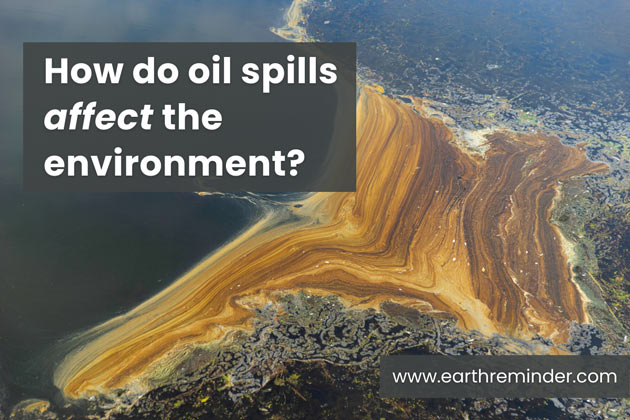
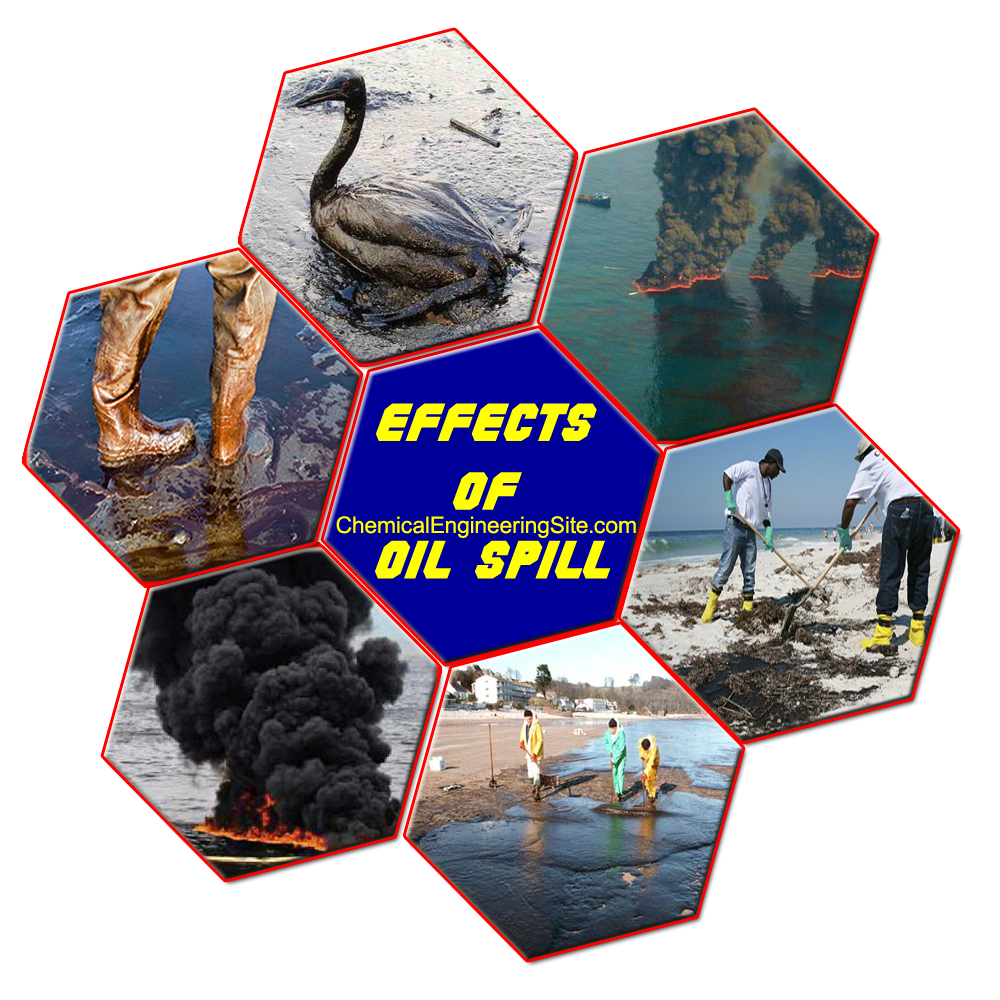
Let’s face it, oil spills are the rockstars of environmental disasters, making headlines and leaving behind a gooey legacy. Think of the Deepwater Horizon disaster. Remember those poor, oil-soaked seabirds?
It's not just the dramatic, large-scale events that matter. The slow, constant drip of oil from our everyday lives adds up too, a sneaky villain in our environmental story. Even that tiny bit of motor oil leaking from your car contributes.
Seabirds: The Feathered Victims
Imagine trying to fly with a coat of molasses. That's pretty much what oil does to seabirds. Their feathers, normally waterproof, become saturated, leaving them vulnerable to the cold and unable to fly.
They try to preen themselves clean, ingesting the toxic oil. It's a lose-lose situation, a feathery tragedy unfolding in slow motion. Rescue teams work tirelessly, but the sheer scale of these spills often makes it a daunting task.
Marine Mammals: A Slippery Slope
Seabirds aren't the only ones suffering. Marine mammals like dolphins and whales also find themselves in oily situations. They can inhale oil vapors, causing respiratory problems, or ingest oil while feeding.
Oil can also irritate their skin and eyes, leading to discomfort and infection. Even the playful sea otter isn't immune. The oil destroys the insulation in their fur, leaving them vulnerable to hypothermia.
Coral Reefs: Underwater Graveyards
Down in the depths, coral reefs, the rainforests of the sea, face a silent killer. Oil smothers these delicate ecosystems, blocking sunlight and suffocating the coral polyps. It's like trying to breathe with a plastic bag over your head.
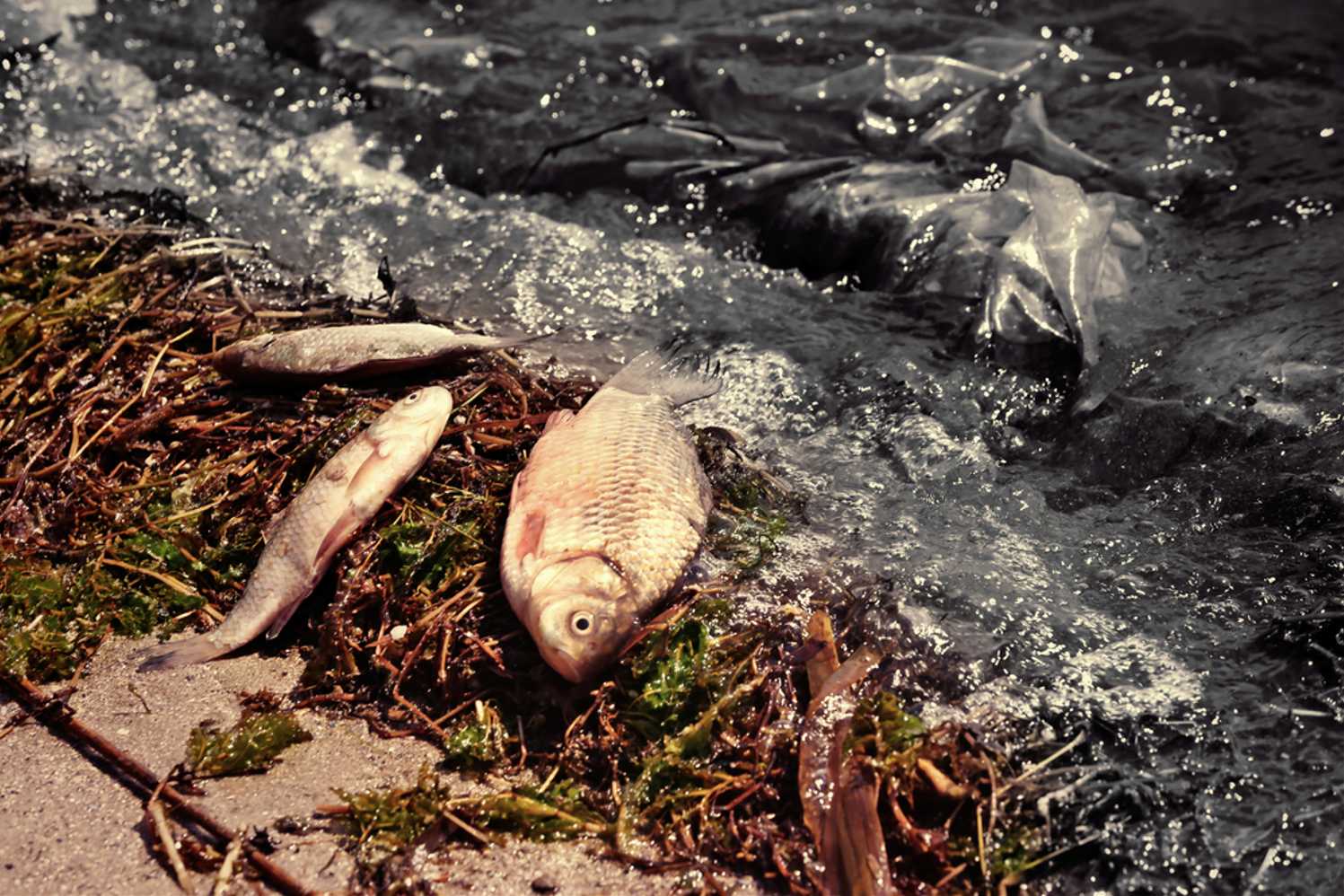
This leads to coral bleaching and, eventually, the death of the reef. A once vibrant, colorful underwater world transforms into a ghostly graveyard. It affects the entire food web, impacting countless species that depend on the reef for survival.
Beyond the Spills: The Less Obvious Impacts
Oil’s impact extends far beyond dramatic spills. Consider the air pollution from burning fossil fuels. It's not just about climate change. It also impacts our health.
Think smog-choked cities and respiratory illnesses. The air we breathe is directly affected by our oil consumption. Every time you drive your car, you’re contributing to this invisible pollution.
Acid Rain: A Corrosive Problem
Burning fossil fuels releases sulfur dioxide and nitrogen oxides into the atmosphere. These gases react with water to form acid rain. It’s not quite the corrosive stuff of science fiction movies, but it's still damaging.
Acid rain acidifies lakes and streams, harming aquatic life. It also damages forests and corrodes buildings and monuments. It’s a slow, insidious form of environmental degradation that often goes unnoticed.
Climate Change: The Big Picture
Of course, we can’t talk about oil's environmental impact without mentioning climate change. Burning fossil fuels releases greenhouse gases, trapping heat in the atmosphere. This leads to rising temperatures, melting glaciers, and more extreme weather events.
Think of it like wrapping the Earth in a giant blanket. The planet warms up, and things start to get a little…uncomfortable. We’re talking about rising sea levels, more frequent and intense hurricanes, and droughts.
The Surprisingly Heartwarming Side: Cleanup and Recovery
Despite the grim picture, there's a surprising amount of human ingenuity and dedication involved in cleaning up oil spills. From specialized equipment to dedicated volunteers, people rally to try and mitigate the damage.
Remember the images of people cleaning oil-soaked birds with toothbrushes? It's a painstaking process, but it shows the commitment to saving these creatures. It is a symbol of hope amidst the devastation.
Bioremediation: Nature's Little Helpers
One of the coolest solutions is bioremediation. Scientists use microorganisms to break down oil into less harmful substances. It’s like deploying a tiny army of oil-eating bacteria.
These little guys feast on the oil, turning it into harmless byproducts. It's a natural and effective way to clean up contaminated areas. It's nature's way of fighting back, with a little help from science.
Habitat Restoration: Rebuilding What Was Lost
After a spill, efforts are made to restore damaged habitats. This can involve planting new vegetation, rebuilding shorelines, and creating artificial reefs. It's about giving nature a helping hand to recover.
It’s a long and challenging process, but it's essential for the long-term health of the ecosystem. It's like giving the environment a second chance, a chance to heal and thrive again.
What Can You Do? Small Changes, Big Impact
Feeling overwhelmed? Don't be! Even small changes in our daily lives can make a difference. Consider using public transportation, biking, or walking instead of driving.
Conserve energy at home. Turn off lights when you leave a room and unplug electronics when you’re not using them. Every little bit helps to reduce our reliance on oil.
Support Sustainable Practices
Choose products from companies committed to sustainable practices. Look for products with less packaging and made from recycled materials. Your purchasing power can influence companies to be more environmentally responsible.
Support organizations working to protect the environment. Donate your time or money to groups dedicated to conservation and cleanup efforts. By working together, we can create a cleaner, healthier planet.
Spread the Word: Be an Environmental Advocate
Talk to your friends and family about the importance of reducing our oil consumption. Educate yourself about the issues and share what you learn with others. The more people who are aware, the more likely we are to make a difference.
Be a voice for the environment. Contact your elected officials and let them know you support policies that promote clean energy and protect our natural resources. Every voice counts in the fight for a sustainable future.
Oil's impact on the environment is complex and far-reaching. From dramatic spills to subtle pollution, its effects are felt across the planet. But with awareness, action, and a little bit of ingenuity, we can mitigate the damage and create a more sustainable future. So, next time you reach for that sunscreen, remember the bigger picture.