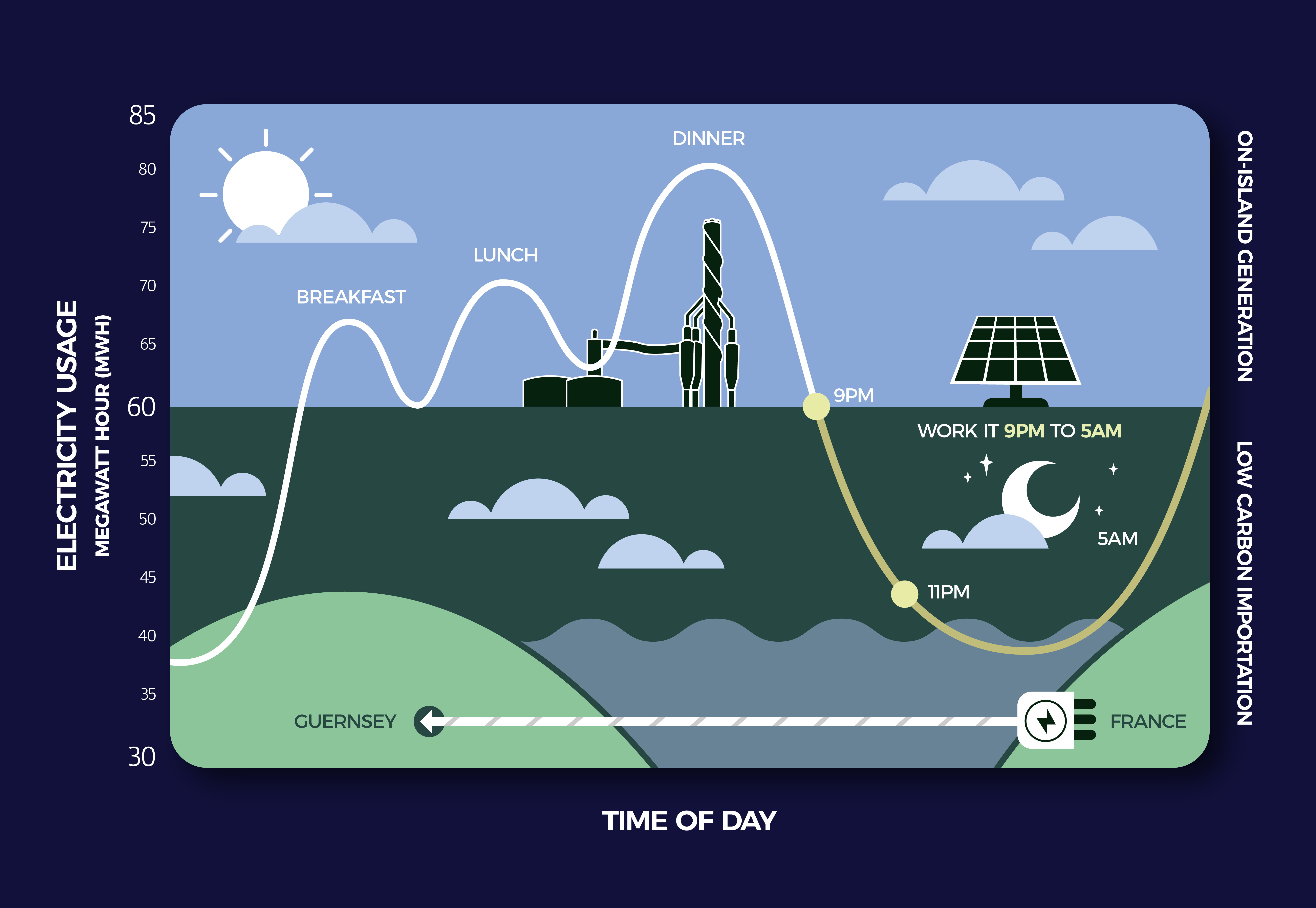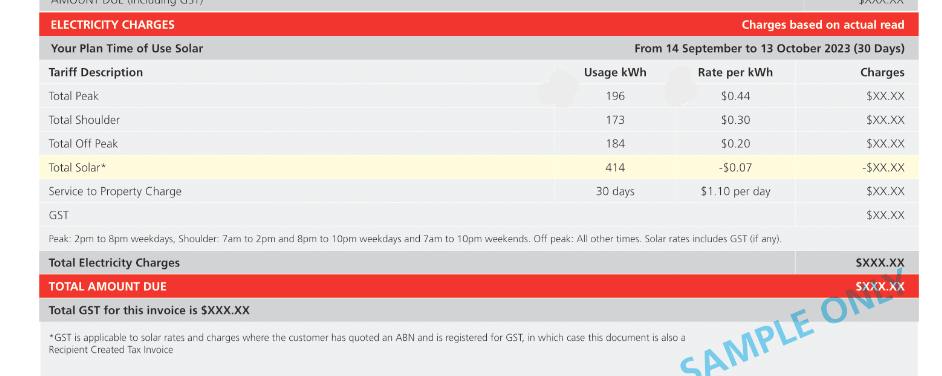
Ever wondered why your electricity bill seems to skyrocket during those sweltering summer months or the frigid depths of winter? It's not just because you're blasting the AC or cranking up the heater. The real culprit is often peak usage – those times of day when everyone seems to be demanding power simultaneously. Let's unravel what happens to the cost of electricity during these peak periods.
Think of electricity like a popular concert venue. During off-peak hours (late at night or early morning), it's practically empty, and tickets (electricity) are cheap. But when the headliner comes on (dinner time on a weekday), everyone wants in, and the prices go up! This is because power companies have to scramble to meet the sudden surge in demand. They might fire up older, less efficient power plants, or even purchase electricity from other providers at a premium. All these extra costs get passed on to you, the consumer.
But why should you, the artist, hobbyist, or casual learner, care? Well, understanding peak usage can save you money and even inspire some creative choices! Imagine you're a digital artist. Rendering complex 3D models or editing high-resolution videos can be incredibly energy-intensive. By scheduling these tasks during off-peak hours – say, overnight while you sleep – you can drastically reduce your electricity bill. Similarly, if you're a potter who fires your kiln regularly, running it late at night can lead to significant savings. The same goes for anyone pursuing energy-hungry hobbies or educational activities.
Let's consider some specific examples. A photographer could schedule batch processing of RAW images during off-peak hours. A musician could record and mix audio during less expensive times. Even someone learning to code could run resource-intensive simulations or train machine learning models overnight. These small adjustments can add up to significant savings over time.
So, how can you take advantage of this at home? Here are a few simple tips:
- Check your utility provider's website. Many offer time-of-use rates, which clearly outline peak and off-peak hours.
- Use a smart thermostat. Program it to automatically adjust the temperature based on the time of day, minimizing energy consumption during peak hours.
- Run appliances strategically. Schedule laundry, dishwashing, and other energy-intensive tasks for off-peak hours.
- Consider energy-efficient alternatives. Switching to LED lighting and energy-efficient appliances can reduce your overall energy consumption.
Ultimately, understanding peak usage empowers you to make more informed choices about your energy consumption. It's about finding creative ways to pursue your passions without breaking the bank. And let's face it, feeling like you're in control of your finances and making sustainable choices is a pretty enjoyable feeling in itself!