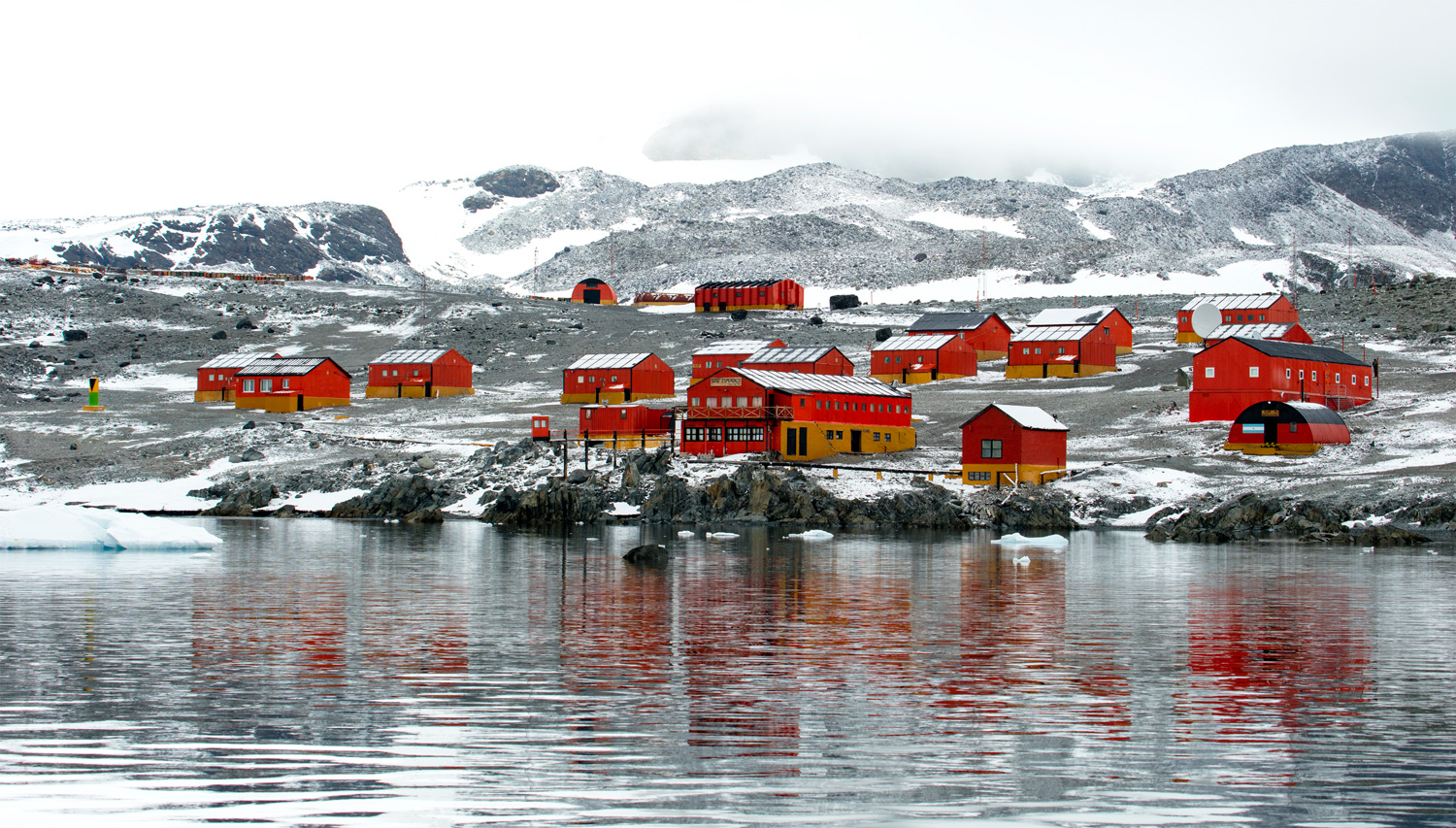
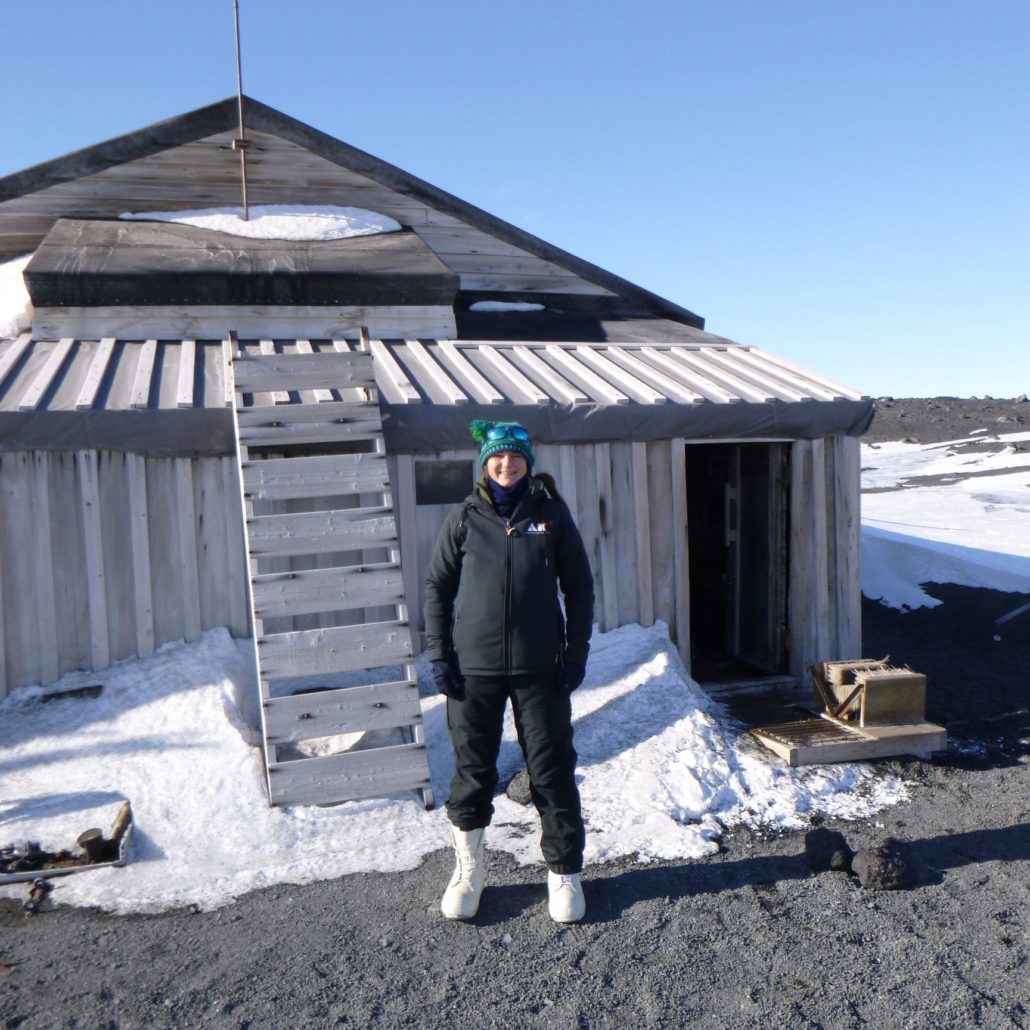
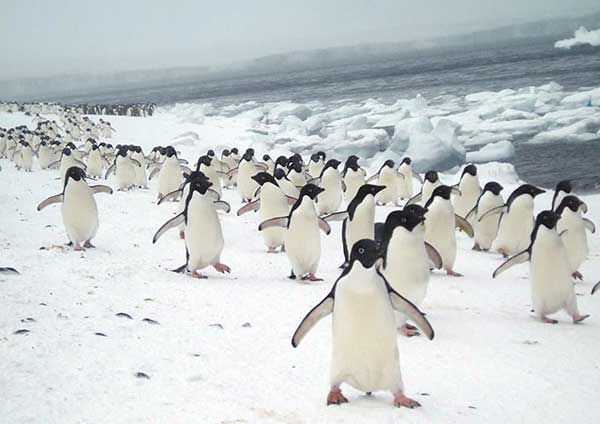
The South Pole! Just the name conjures images of icy desolation, penguins huddled together for warmth, and maybe a lone explorer planting a flag. It's a place synonymous with extremes, a visual shorthand for the remotest, coldest, and arguably most challenging location on Earth. But a fascinating question pops up: does anyone *actually* live there? It's a question that sparks curiosity and imagination, and surprisingly, the answer is a qualified, but resounding, yes!
This seemingly simple question, however, is a fantastic springboard for creativity, exploration, and learning, offering surprising benefits to artists, hobbyists, and casual learners alike. Imagine the artistic possibilities! You could paint the stark, white landscape under the ethereal glow of the Aurora Australis. Or perhaps sculpt miniature icebergs reflecting the subtle hues of the polar twilight. Even for a casual learner, researching the conditions for human survival at the South Pole opens a door to understanding fascinating scientific research and the incredible resilience of the human spirit. The potential for storytelling, whether through visual art, writing, or even crafting intricate dioramas, is truly immense.
Consider these examples. A landscape painter might focus on the interplay of light and shadow on the seemingly uniform white surface, using subtle variations in tone to create depth and perspective. Think of the minimalist landscapes of Agnes Martin, but inspired by the Antarctic! A writer could explore the psychological impact of isolation and confinement, crafting short stories or poems that delve into the minds of the researchers stationed there. Or imagine a photographer capturing the incredible engineering feat that is the Amundsen-Scott South Pole Station, a testament to human ingenuity in the face of adversity. A musician could compose pieces evoking the vastness and silence of the Antarctic landscape.
So, how can you explore this topic at home? You don't need to travel to Antarctica (though wouldn't that be amazing?). Start with research! Dive into online resources about the Amundsen-Scott South Pole Station. Learn about the scientists who live and work there, and the research they conduct. Watch documentaries about Antarctic expeditions. Then, let your imagination take over. If you're a writer, create a fictional journal entry from a scientist stationed at the Pole. If you're an artist, try recreating the stark beauty of the landscape using watercolors or digital art. If you're a crafter, build a miniature model of the research station using cardboard and paint. Don't be afraid to experiment and try different approaches!
To further your explorations, consider these tips: Embrace the limitations. The South Pole is a place of stark contrasts, so focus on capturing that essence in your work. Focus on the human element. While the landscape is undeniably impressive, the stories of the people who live and work there are even more compelling. Don't be afraid to get creative with your materials. Use unconventional mediums to represent the unique qualities of the Antarctic environment.
Ultimately, exploring the question of whether anyone lives on the South Pole isn't just about finding a factual answer. It's about sparking curiosity, igniting imagination, and connecting with a part of the world that, while remote, holds a powerful allure. It's a chance to learn, create, and explore the boundaries of human experience – all from the comfort of your own home. And that, in itself, is incredibly enjoyable!