Ah, the sweet relief of cool air blasting from a portable AC unit on a sweltering summer day. For many of us, these little climate superheroes are lifesavers, providing targeted cooling in bedrooms, home offices, or any space where central air conditioning just doesn't reach or isn't an option. They're convenient, relatively affordable, and incredibly effective at battling the heat. But there's one question that often pops up alongside the cool air: Do I actually have to drain this thing?
The reason portable ACs are so popular boils down to their portability and ease of use. Unlike window units, they don't require complex installations. You simply vent them out a window, plug them in, and enjoy the chill. This makes them perfect for renters, people who only need cooling in specific rooms, or anyone looking to avoid the expense and hassle of installing central AC. They offer a targeted solution to a localized problem – unbearable heat!
Now, back to the draining dilemma. The short answer is: it depends. Most portable AC units use a process called evaporative cooling. As the unit cools the air, it also removes moisture, which condenses into water. This water then needs to go somewhere. There are typically two types of portable ACs: those with a continuous drain and those with a tank.
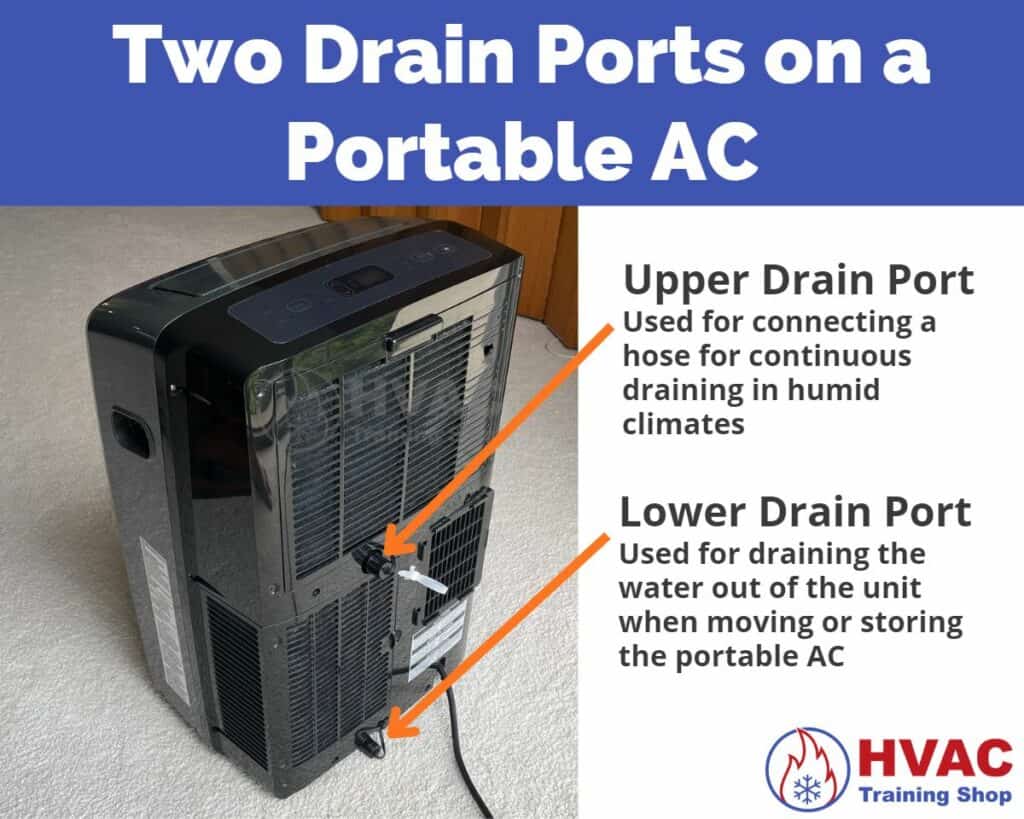
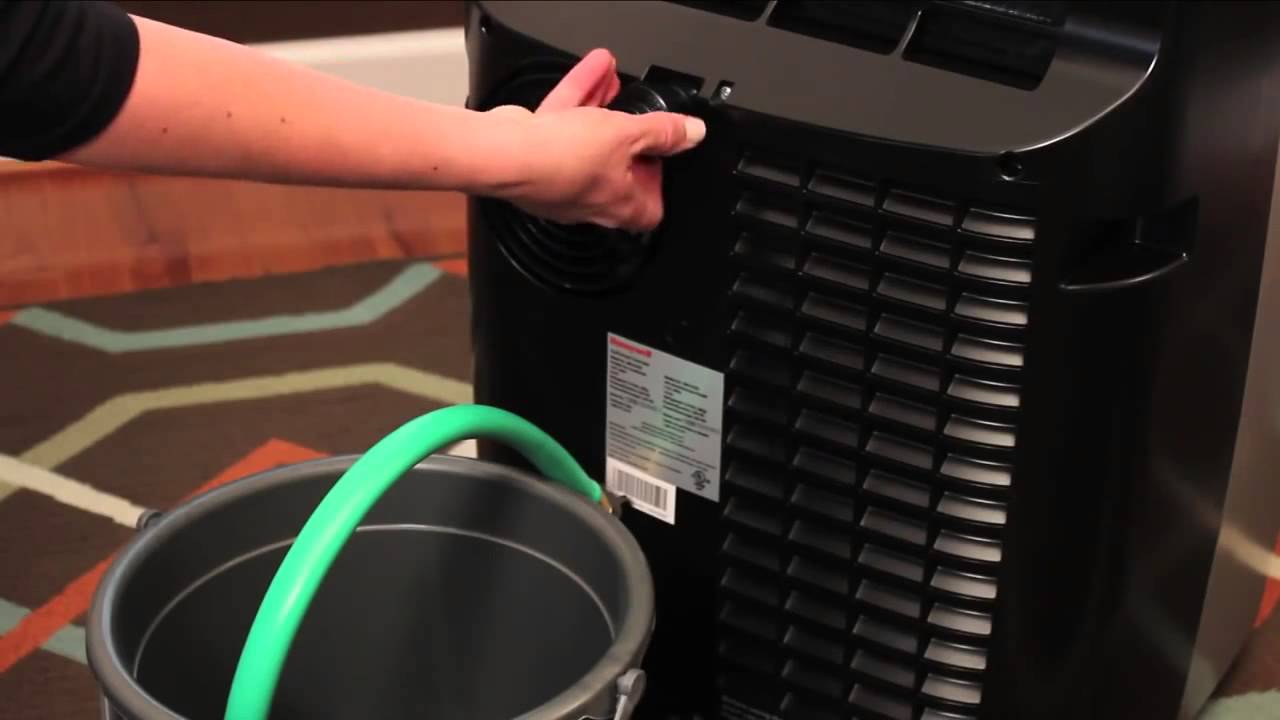
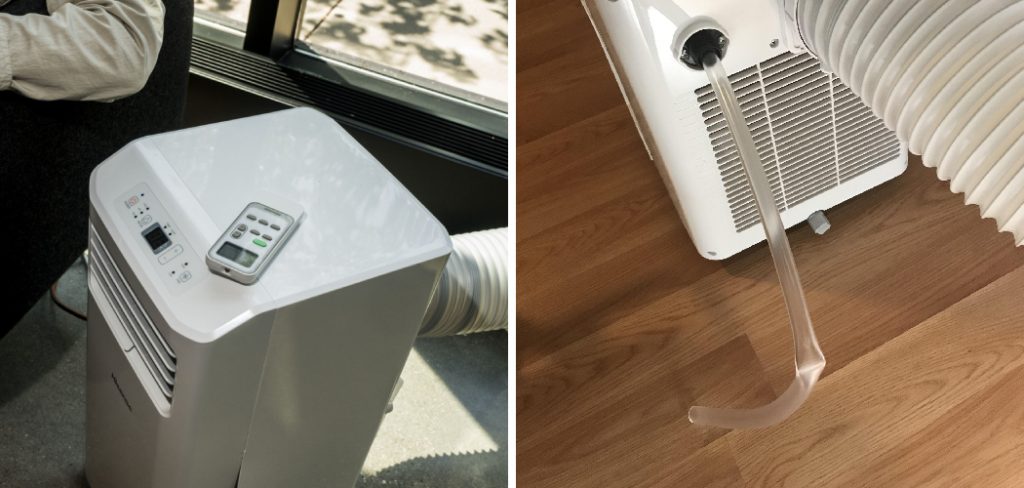
Units with a continuous drain require you to attach a hose that constantly drips the collected water into a drain or bucket. These are less common but ideal if you live in a very humid environment, as they don't require you to manually empty a tank. However, they do demand a nearby drain and consistent monitoring to ensure the hose hasn't become dislodged.
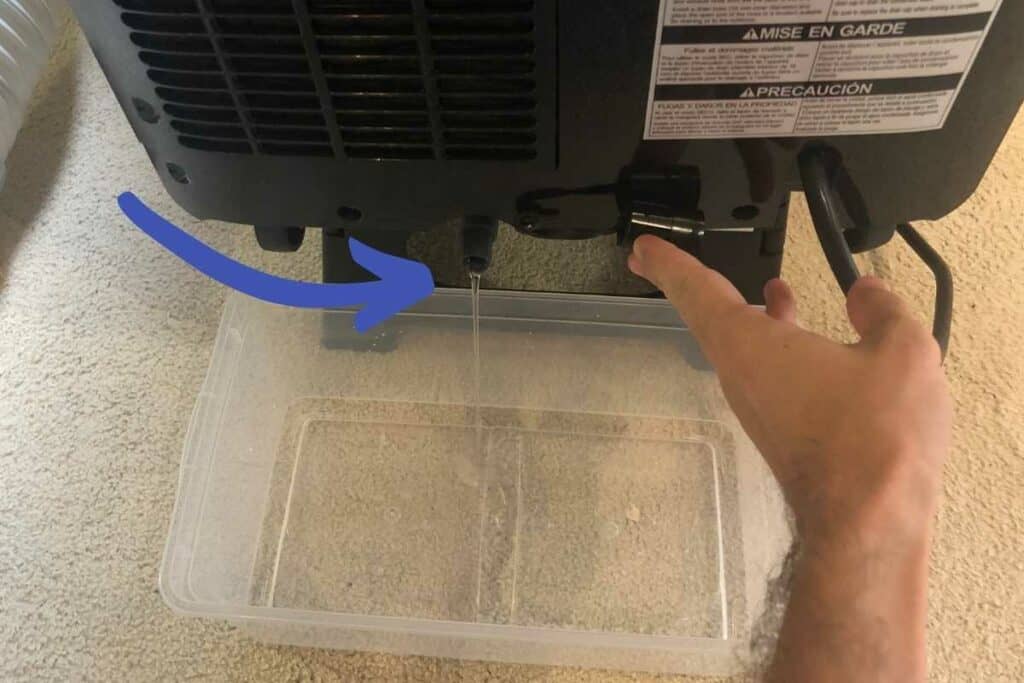
The more common type features a collection tank. The unit cools, the water collects, and when the tank is full, a light usually illuminates, signaling that it's time to empty it. Neglecting this crucial step can lead to your AC shutting down, and in some cases, even damage. No one wants that!
So, how can you make the draining process less of a chore and enjoy your portable AC more effectively? Here are a few tips:
- Check the humidity level: If you live in a dry climate, your unit might produce very little water, meaning you won't have to drain it as often.
- Elevate the unit: Placing the AC on a small platform or stand can make it easier to drain the tank into a bucket.
- Use a larger container: If you're using the continuous drain method, opt for a larger bucket to minimize how frequently you need to empty it.
- Consider a self-evaporating model: Some newer models are designed to evaporate most of the collected water, significantly reducing the need for draining. While not completely drain-free, they offer a major convenience upgrade.
- Set a reminder: If you have a tank model, put a reminder on your phone to check the water level every few days, especially during periods of high humidity.
Ultimately, understanding the type of portable AC you have and how it handles condensation is key to enjoying a cool, comfortable space without the stress of overflowing tanks or unexpected shutdowns. So, stay cool, stay informed, and happy chilling!