Okay, let's talk toilets. Not the *most* glamorous subject, I know. But trust me, this is something everyone should know, especially when the lights go out and you're fumbling for candles. The big question: Do toilets flush when the power is out?
The answer, like most things in life, is: it depends!
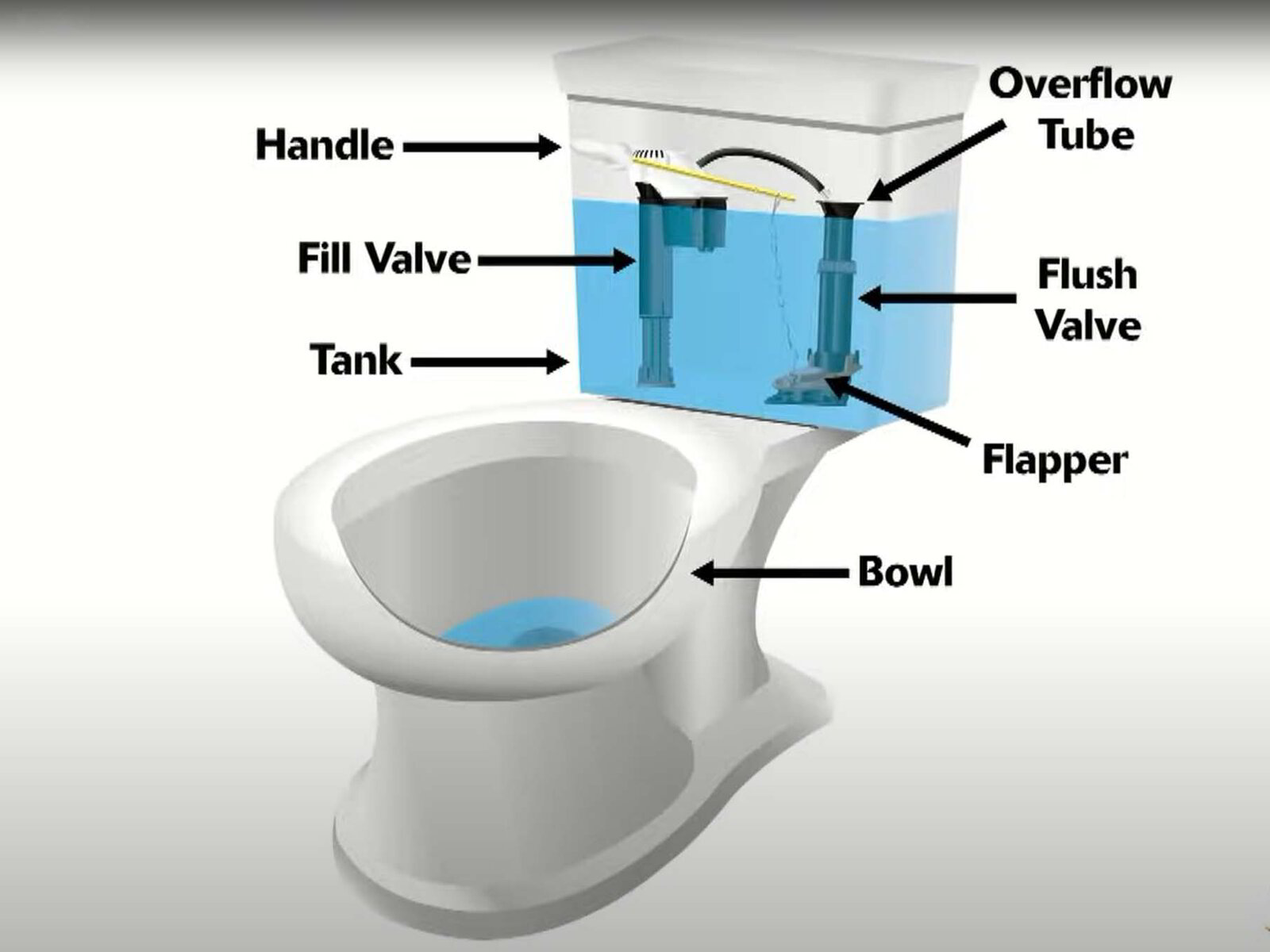
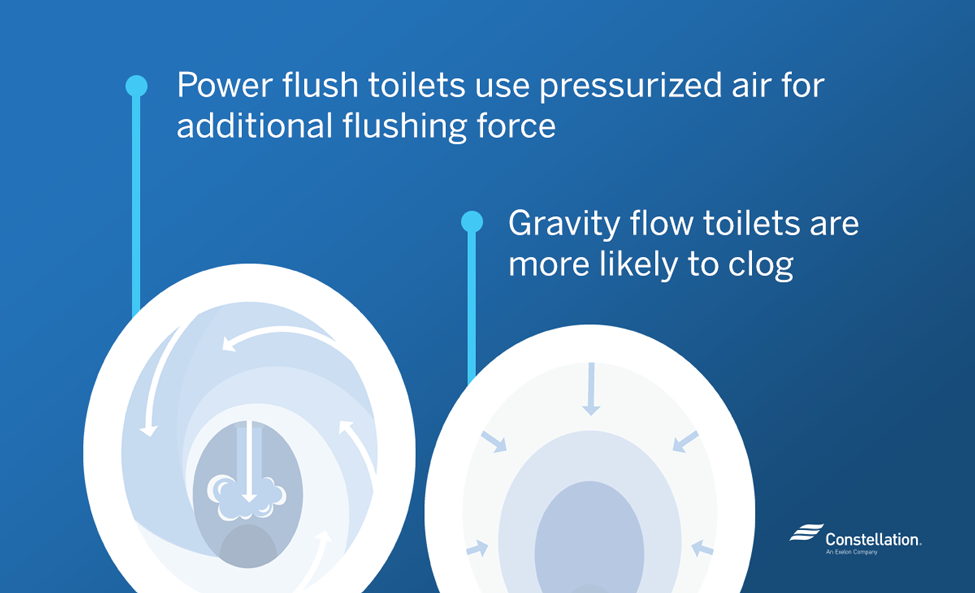
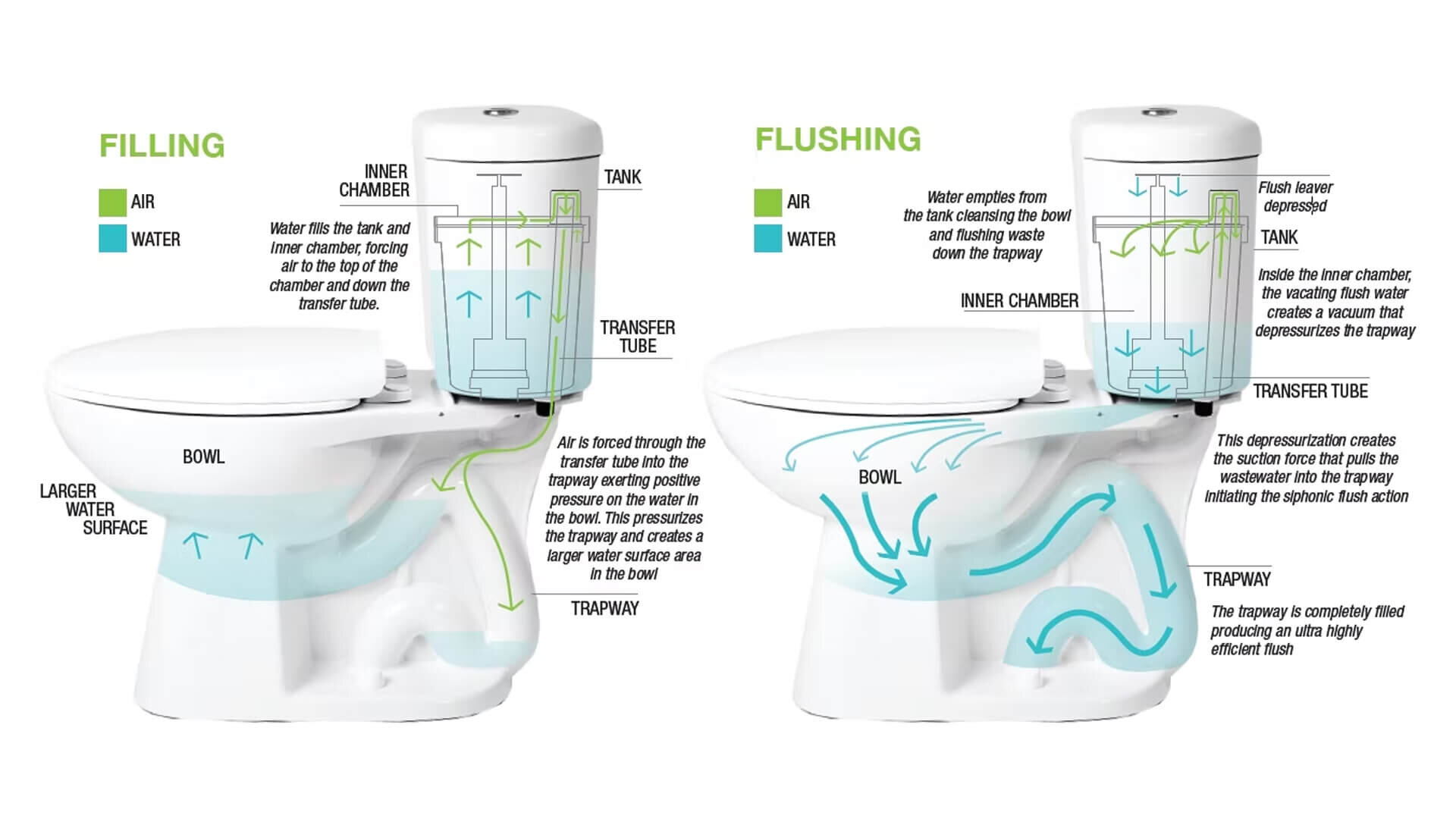
Let’s break it down. Think of your toilet as having two main parts: the tank and the bowl. The tank holds the water, and when you flush, that water rushes into the bowl, carrying everything away. It’s a simple gravity-powered system, like a mini-waterfall inside your bathroom.
Now, most standard toilets are completely independent of electricity. Imagine it like this: you’re camping, and you pour a bucket of water into a hole. It works, right? No electricity needed! That’s basically what a standard toilet does. So, yes, your toilet will still flush, even during a power outage! You just might have to help it out a little.
But here’s the catch (and there's *always* a catch, isn't there?). Toilets need water to flush. And that’s where the power outage comes in.
When Things Get a Little Trickier
If you have a well system with an electric pump, or a septic system with an electric pump to move wastewater, you might be in a bit of trouble. During a power outage, your well pump won't be able to refill your toilet tank. Think of it like trying to fill a swimming pool with a leaky bucket – eventually, you'll run out of water.
Similarly, some septic systems rely on electricity to move wastewater. No power, no movement. It's like a traffic jam in your pipes!
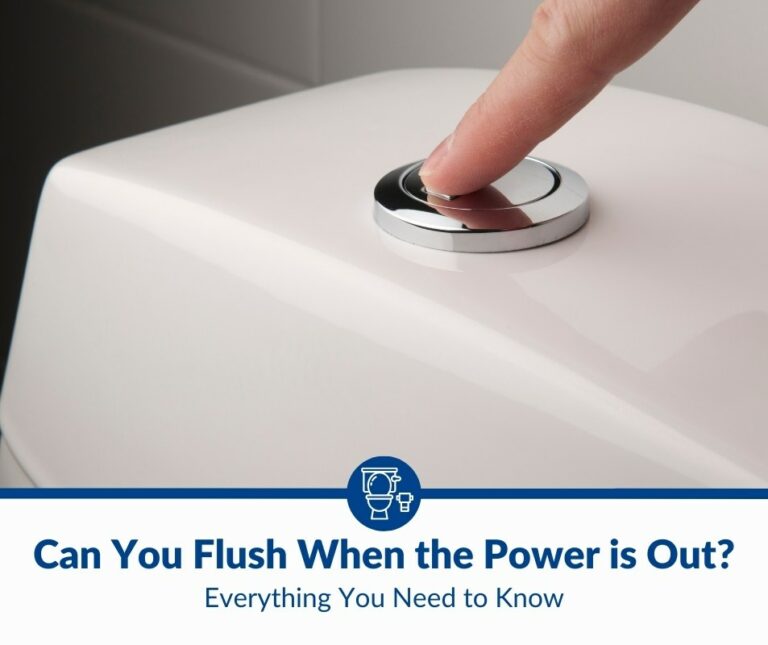
Also, toilets with electric flushing mechanisms won’t work without power. These are less common in homes, but if you have a fancy, high-tech toilet, check the manual. It might have a battery backup, but probably not forever.
So, What Can You Do?
Don’t panic! Even if your water supply depends on electricity, there are ways to keep your toilet functioning (at least for a little while).
- The Bucket Brigade: This is the old-fashioned, but reliable, method. Keep a large bucket filled with water (think bathtub, large containers) *before* a storm hits. When you need to flush, simply pour the water directly into the toilet bowl. Aim for the center, quickly and forcefully, to simulate a normal flush.
- Alternative Water Sources: If you have a stream, pond, or even rainwater collected in a barrel, you can use that water to flush (just be sure it's relatively clean). It's like being a pioneer, but with indoor plumbing!
A word of caution: Always use clean water if possible. Avoid using water with excessive debris, as it could clog your toilet. And never, ever, use water from swimming pools or hot tubs, as the chemicals can damage your septic system (if you have one).
Why Should You Care? (Besides the Obvious)
Look, a functioning toilet is essential for hygiene and sanitation. During a power outage, things can get messy quickly. A non-flushing toilet can lead to unpleasant odors, potential health hazards, and generally make a bad situation even worse. Let's be honest, nobody wants *that*!
Plus, having a plan in place can bring peace of mind. Knowing you can handle a basic necessity, even when the world outside is a little chaotic, makes a huge difference. It's like having a safety net in a circus – you might not need it, but it's good to know it's there.
So, before the next storm rolls in, take a moment to think about your toilet. Do you have a well? Is your septic system electric? Do you have a bucket handy? A little preparation can go a long way in making a power outage a little less…stinky.
Remember, a little knowledge about your toilet can flush away a whole lot of potential problems!