Alright, buckle up buttercups, because we're diving headfirst into the wacky world of... homemade hydrogen fuel cells! Yes, you read that right. We're talking about conjuring clean energy in your kitchen (or, you know, maybe the garage if your kitchen isn't quite ready for its close-up). Prepare to be amazed!
First things first, let's gather our arsenal of awesomeness. Think of yourself as a mad scientist, but with a slightly cleaner lab coat and a significantly lower chance of accidentally creating a sentient toaster oven. We need some water, a jar, some salt (because why not add a little flavor to clean energy?), two electrodes (stainless steel spoons will work!), a 9-volt battery, and some wires to connect them all together.
The Watery Wonderland
Fill that jar with water! Now, sprinkle in some salt – just enough to give it a little zing. The salt is the secret sauce that will allow electricity to flow through the water like a sugar rush through a toddler at a candy store.
Grab your electrodes, those trusty stainless steel spoons you probably stole from the kitchen drawer. Submerge them in the salty water, making sure they don't touch each other like feuding siblings in the back seat of a car.
Electrifying Excitement
Now comes the fun part! Attach the wires to your electrodes. Connect the other ends of the wires to your 9-volt battery – one wire to the positive terminal, the other to the negative. Prepare for a spectacle of bubbly brilliance!
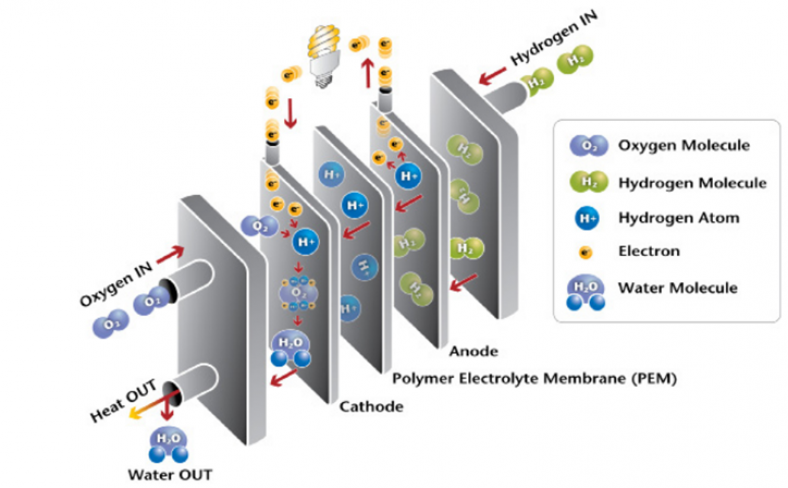
Observe! Notice those tiny bubbles rising from the electrodes like miniature underwater discos? That's hydrogen and oxygen, splitting apart from the water molecules in a dazzling display of electrochemical wizardry. You're basically a modern-day alchemist, turning water into... well, slightly less water and some incredibly useful gases!
It's like a science fair project on steroids, but without the pressure of winning a blue ribbon. Just pure, unadulterated, hydrogen-producing fun.
Harvesting the Hydrogen (Sort Of)
Okay, so you've got bubbles. Now what? Capturing that hydrogen is the tricky part. In our simple setup, we’re not really “harvesting” it in the traditional sense. We are demonstrating the principles of electrolysis. But, hey, who needs a complicated collection system when you’re having this much fun?
If you *really* wanted to capture the hydrogen, you'd need to get fancy with some test tubes, stoppers, and maybe even a tiny balloon to inflate with the gas. Think of it as trapping the world's smallest, most volatile party animal.
But for now, let's just bask in the glory of our bubbling creation. We've successfully split water into its component parts using electricity – that's a pretty awesome feat, even if we're not fueling a rocket ship anytime soon.
Safety First (and Second, and Third)
Now, before you start dreaming of powering your entire house with saltwater and spoons, a word of caution. Hydrogen is flammable. Really flammable. Like, "could-accidentally-launch-your-cat-into-orbit" flammable. So, please, be careful.
Work in a well-ventilated area. No open flames. And for goodness sake, don't try to store large quantities of hydrogen in your refrigerator. That's just asking for trouble (and a very confused repairman).
Think of safety like wearing a ridiculously oversized helmet while riding a tricycle. It might look silly, but it could save you from a faceplant of epic proportions. Seriously, be careful.
Scaling Up (Maybe?)
So, you've mastered the art of the countertop hydrogen generator. Now what? Can you power your car with it? Probably not. Can you use it to impress your friends at a cocktail party? Absolutely! "Oh, this? Just my homemade hydrogen fuel cell. No big deal."
Scaling up this process to create usable amounts of energy requires more sophisticated equipment and a deeper understanding of electrochemistry. But the principles are the same: use electricity to split water and then use the hydrogen as fuel.
Maybe one day, you *will* be powering your car with hydrogen generated from your own backyard. But for now, let's just celebrate the small victories – like successfully avoiding electrocution while making bubbles in a jar.
The Future is Fuel Cells! (Probably)
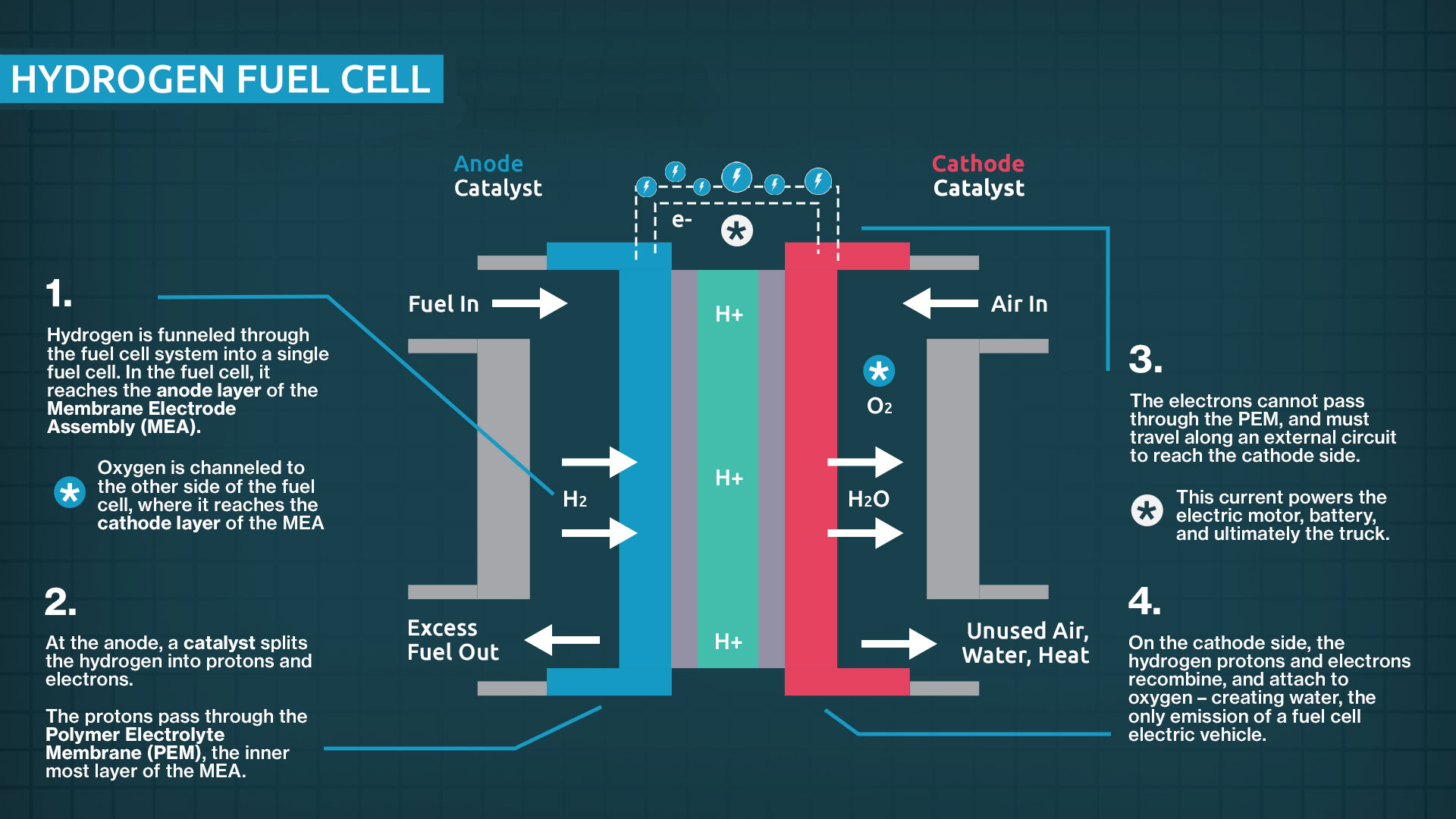
Hydrogen fuel cells are a hot topic in the world of clean energy. They offer the potential to power vehicles, homes, and even entire cities without producing harmful emissions. They're like the superheroes of the energy world, swooping in to save the planet one water molecule at a time.
But, and it's a big but, there are challenges to overcome. Producing hydrogen efficiently and affordably is still a work in progress. Storing and transporting it safely is another hurdle. But scientists and engineers are working hard to solve these problems, and the future looks bright.
Think of it like perfecting the recipe for the world's best chocolate chip cookie. You've got all the ingredients, but you need to tweak the recipe to get it just right. And once you do, the world will be a sweeter, more delicious place. (Or, in this case, a cleaner, more sustainable place.)
A Final Word of Encouragement
So, there you have it – a whirlwind tour of the wonderful world of homemade hydrogen fuel cells. It's a fun, educational, and slightly wacky experiment that can teach you a lot about science, energy, and the importance of wearing safety goggles.
Don't be afraid to experiment, to get your hands dirty (metaphorically, unless you spill the salty water), and to embrace the spirit of scientific inquiry. Who knows, you might just stumble upon the next big breakthrough in clean energy. Or, at the very least, you'll have a really cool story to tell at your next family gathering.
Now go forth and create! And remember, even if your hydrogen fuel cell doesn't power the world, it's still a pretty darn cool conversation starter. Plus, you can always blame any unexpected explosions on the cat. It's foolproof!