Hey there, car comrade! Ever been stuck with a car that just… won’t… start? Ugh, the worst, right? Like a tiny metal brick refusing to cooperate. And then you think, “Jump start! That’s the ticket!” But then the big question hits: Do *both* cars need to be on? Let's untangle this automotive mystery!
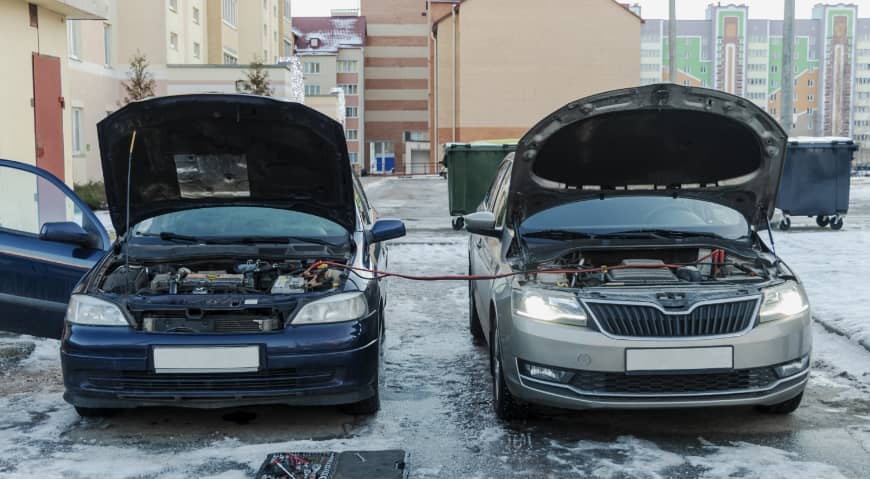
Okay, picture this: You’re standing there, jumper cables in hand, maybe feeling a *little* like a superhero (or maybe just super frustrated). You’ve got your good Samaritan friend (or a very patient roadside assistance person) with their working car. Now, do you fire up *both* engines before you connect the cables? That’s the golden question, isn’t it?
The Short Answer (for the Impatient)
Alright, drumroll please… The generally accepted answer is: Yes, you *should* have both cars on while jump-starting. There are some nuances, though, so stick with me. We're about to dive a little deeper than your average puddle on a rainy day.
Why Both Cars On? It’s All About That Voltage!
Think of it like this: Your dead battery is basically a voltage vampire, sucking all the energy out of… well, everything. When the good car is running, its alternator is actively producing electricity, providing a steady stream of voltage. That extra juice is crucial for effectively jump-starting your car.
Having the good car's engine running helps ensure that enough power is being delivered to your dead battery to get it cranked and ready to go. It’s like giving it a really strong cup of coffee – a *highly* caffeinated jolt to get it moving again! Think of the alternator as the barista, constantly brewing up fresh electricity.
Without the running engine, you’re relying solely on the good car's battery. And while that might work *sometimes*, it’s putting extra strain on that battery and might not provide enough oomph to get your engine started, especially if your battery is really, really dead. Like, "zombie apocalypse" dead.
The "Let's Be Extra Safe" Caveat
Now, some people (and even some instructions) suggest turning the good car *off* after connecting the cables but *before* trying to start the dead car. Why? It’s all about avoiding potential voltage spikes. Starting a car can sometimes create a sudden surge of electricity that *theoretically* could damage the electrical systems of either vehicle. The risk is pretty small with modern cars, but hey, better safe than sorry, right? Think of it as wearing a seatbelt – hopefully, you’ll never need it, but it's good to have!
If you choose to go this route, connect the cables, let the good car charge the dead battery for a few minutes (with the engine off!), then try to start the dead car. If it doesn't work the first time, you can try starting the good car and giving it a bit more juice for a short time. Just don’t overdo it! We don't want any electrical fireworks.
The Jump-Starting Ritual: A Quick Recap
Here's the jump-starting process in a nutshell (feel free to sing along, if you’re so inclined):
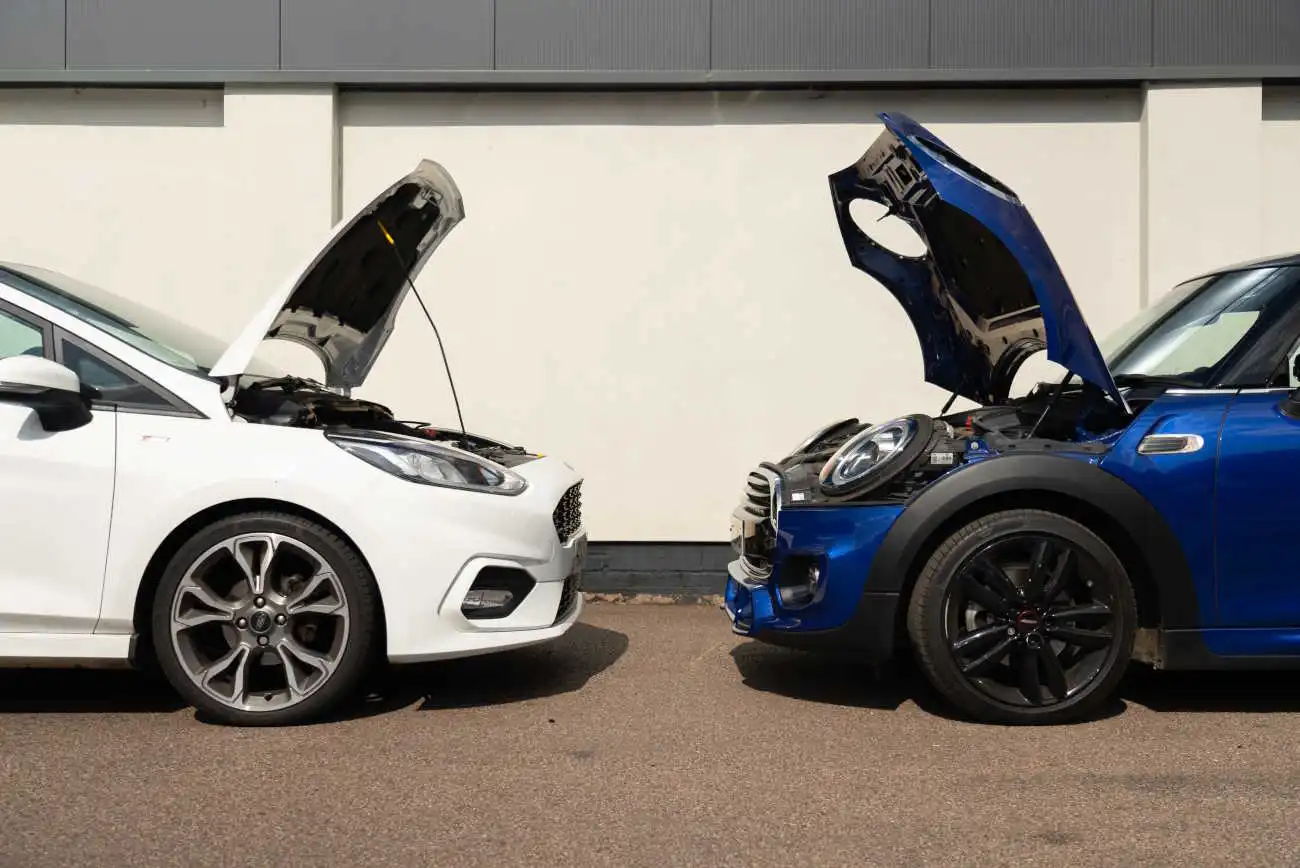
- Position the cars so they're close enough for the jumper cables to reach, but *not touching*. Safety first!
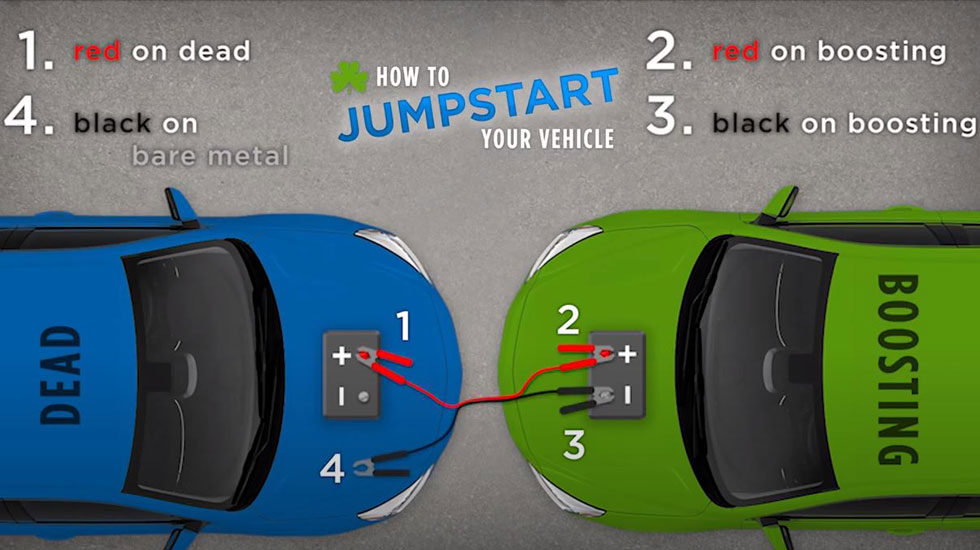
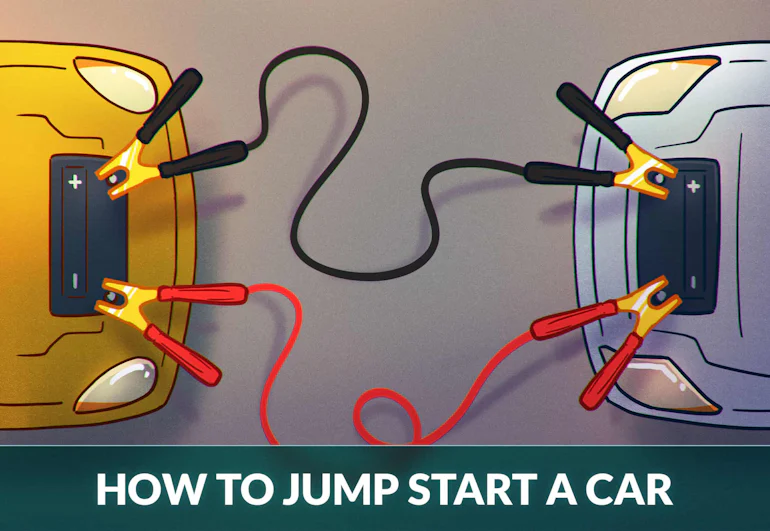
- Connect the red (positive) clamp to the positive terminal of the dead battery.
- Connect the other red clamp to the positive terminal of the good battery.
- Connect the black (negative) clamp to the negative terminal of the good battery.
- Connect the final black clamp to an unpainted metal surface on the dead car, away from the battery (like the engine block). This is your ground.
- Start the good car. Let it run for a few minutes to charge the dead battery.
- With the good car still running, try to start the dead car.
- If it starts, carefully disconnect the cables in the reverse order you connected them.
- Let the resurrected car run for a while to recharge the battery. A nice long drive is perfect!
The Uplifting Conclusion (You're a Car-Starting Rockstar!)
So, there you have it! The mystery of whether both cars need to be on during a jump start, demystified! Remember to prioritize safety, follow the correct procedure, and you'll be back on the road in no time. And hey, even if you *do* mess something up (we all do!), don't sweat it. Just call a professional and chalk it up to a learning experience. After all, every breakdown is just a chance to become a slightly more knowledgeable car owner. You got this!
Now go forth and conquer those dead batteries! You’re like the automotive equivalent of a superhero, swooping in to rescue stranded drivers with your trusty jumper cables. Just don't forget to wear a cape… maybe just a scarf. Safety first, remember?