Hey there, battery buddies! Ever wondered if those AGM batteries you're using need a little… *ahem*… fresh air? It's a question that pops up a lot, and let's face it, dealing with batteries can sometimes feel like deciphering ancient scrolls.
So, let's dive in and get this sorted out, shall we? No need to pull out the hazmat suits just yet (unless you *really* want to, no judgment here!).
The Short (and Sweet) Answer
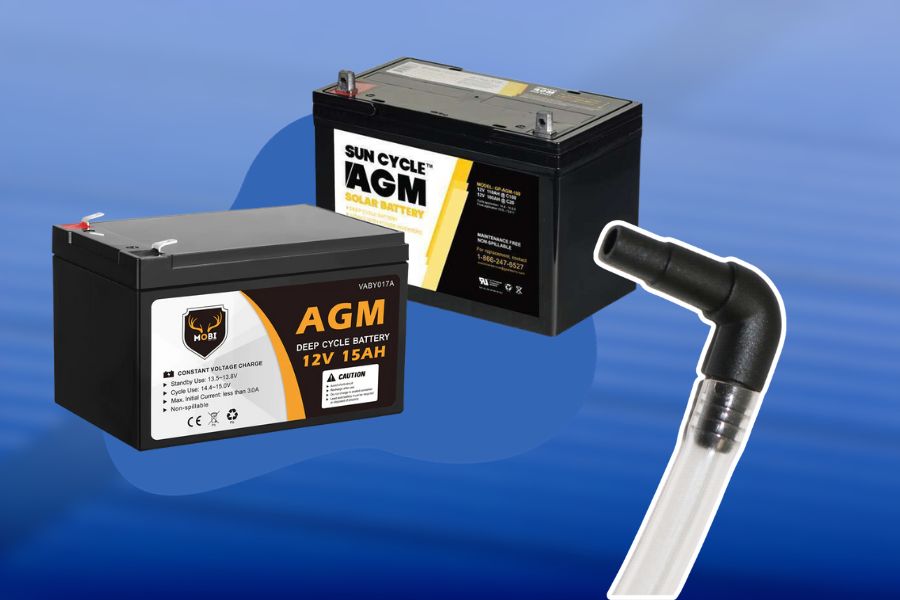
Here's the gist: Generally, AGM (Absorbent Glass Mat) batteries are designed to be vent-free. That's kind of a big deal, right? They're sealed, meaning they *shouldn't* be releasing gases under normal operating conditions. Think of them as the introverts of the battery world – they keep it all inside (mostly!).
Emphasis on "under normal operating conditions" – keep that little nugget of wisdom tucked away; it'll come in handy later.
Why No Vents? What's the Magic?
Okay, so what makes these AGM batteries so special that they don't need a vent like their flooded lead-acid cousins? It's all down to their clever design. The electrolyte (that’s the acid-y stuff inside that makes the battery work) is absorbed into a fiberglass mat. This means there's no free-flowing liquid sloshing around inside.
This nifty design allows for something called gas recombination. Basically, any gases produced during charging (mostly hydrogen and oxygen) are recombined back into water *inside* the battery. Pretty neat, huh? It's like a little recycling center going on in there!
Think of it as the battery politely cleaning up after itself. "Oh, did I make a little hydrogen? My bad! I'll just turn that back into water. Carry on!"
But Wait, There's a Caveat (Of Course!)
Remember that "normal operating conditions" bit? Well, here's where things get a *tad* more complex. While AGMs are designed to be sealed, they aren't invincible. Overcharging or extreme temperatures can lead to excessive gas production.
If the battery gets *really* overcharged (like, seriously abused), the internal pressure can build up. And if that pressure gets too high, a safety valve (a small vent, essentially) can open to release the excess gas. This is a last-ditch effort to prevent the battery from, well, exploding. And trust me, you *don't* want a battery explosion. It's messy.
So, think of that safety valve as the battery's emergency escape hatch. It's there for when things go horribly, horribly wrong.
So, Do I Need to Worry About Ventilation?
Here's the deal: While you typically don't need to *actively* vent an AGM battery, you should still consider the environment where it's located.
If you're installing the battery in a very tightly sealed compartment with no airflow, it's a good idea to provide *some* ventilation. This is especially true if you're using a less-than-stellar charger that might be prone to overcharging. A little airflow can help dissipate any heat and prevent a build-up of potentially explosive gases (however unlikely).
It's like airing out your socks after a long day – not strictly necessary, but generally a good idea for everyone involved!
Best Practices for AGM Battery Bliss
To keep your AGM battery happy and healthy (and prevent any unwanted gas escapes), follow these simple guidelines:
- Use a smart charger: Invest in a charger specifically designed for AGM batteries. These chargers have built-in safety features to prevent overcharging.
- Monitor the voltage: Keep an eye on the battery voltage, especially during charging. If you notice anything unusual (like the voltage climbing way too high), disconnect the charger immediately.
- Keep it cool: Avoid exposing the battery to extreme temperatures. High temperatures can accelerate gas production and shorten the battery's lifespan.
- Read the manual: Seriously! The manufacturer's instructions are your best friend. They'll provide specific recommendations for your particular battery model.
Wrapping It Up (With a Bow!)
So, there you have it! AGM batteries are generally vent-free under normal conditions, but a little common sense and good charging practices go a long way in ensuring their safety and longevity. Think of it as giving your battery a little TLC – a happy battery is a long-lasting battery!
Now go forth and conquer the world, armed with your newfound AGM battery knowledge! And remember, if all else fails, just blame the gremlins. They're always a good scapegoat.