Okay, so you've probably heard the terms "renewable" and "nonrenewable" energy thrown around like frisbees at a park. But what do they *actually* mean? And why should you even care? Let’s break it down in a way that even your grandpa (who still thinks the internet is a passing fad) can understand.
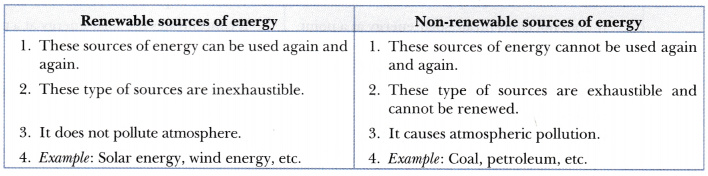
Think of it like this: your favorite cookie jar. Renewable energy is like having a magical cookie jar that refills itself overnight. No matter how many cookies you eat, there'll be more waiting for you in the morning. Nonrenewable energy? That's like a regular cookie jar. Once you've devoured all the cookies, they're gone. Tears may ensue.
Renewable Energy: The Gift That Keeps on Giving
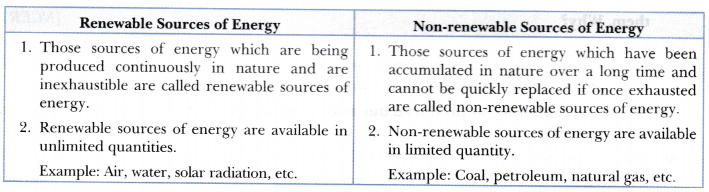
Renewable energy sources are those that naturally replenish themselves. They're like that friend who always has your back, always offering a helping hand (or in this case, electrons!). Here are a few rockstars of the renewable world:
- Solar Power: Harnessing the sun's energy using those shiny solar panels. Think of it as charging your phone using the ultimate power source. Fun fact: the sun gives off more energy in one hour than humanity uses in an entire year! Now *that's* what I call abundance.
- Wind Power: Those giant windmills you see gracefully spinning in the countryside? They're capturing the wind's energy and turning it into electricity. It’s like nature's way of saying, "Here, have some free power!"
- Hydropower: Using the flow of water to generate electricity. This often involves dams, which, let's be honest, are pretty impressive feats of engineering. You're basically surfing the power of a river!
- Geothermal Energy: Tapping into the Earth's internal heat. Think of it as sticking a straw into the Earth's molten core (okay, not *exactly*, but you get the idea) and sipping on some super-heated energy.
- Biomass Energy: Burning organic matter, like wood or crops, for energy. This one’s a little more complicated because it only counts as renewable if we replant what we harvest. Otherwise, it's just raiding the forest like a lumberjack on a mission.
The beauty of renewable energy is that it's, well, renewable! The sun will keep shining (hopefully), the wind will keep blowing (usually), and the rivers will keep flowing (as long as we don't mess things up too much). It's a sustainable way to power our world, and it's generally much kinder to the environment than its nonrenewable counterparts.
Nonrenewable Energy: The Cookie Jar of Doom
Nonrenewable energy sources are those that exist in limited quantities and *cannot* be easily replenished. Once they're used up, they're gone for good. Like that limited edition ice cream flavor you waited in line for, only to realize it's not as good as you thought it would be, and now it's *gone*. Sad face.
- Fossil Fuels: This includes coal, oil, and natural gas. These fuels were formed over millions of years from the remains of ancient plants and animals. Basically, we're burning dinosaur juice (sort of). They're readily available, but burning them releases harmful greenhouse gases into the atmosphere, contributing to climate change. Think of it as using a flamethrower to toast your marshmallows – effective, but maybe not the best idea.
- Nuclear Energy: This involves splitting atoms (usually uranium) to generate heat, which then boils water to create steam that turns turbines. It's a powerful energy source, but it also creates radioactive waste that needs to be stored safely for, like, a really, really long time.
The problem with nonrenewable energy is that it's finite. Once we run out of fossil fuels, that's it. Game over. Plus, burning them releases harmful pollutants into the air and contributes to climate change. It’s like borrowing money from a loan shark: you get the cash now, but you'll pay for it dearly later.
So, Why Should You Care?
Because the future of our planet depends on it! By transitioning to renewable energy sources, we can reduce our reliance on fossil fuels, slow down climate change, and create a more sustainable future for generations to come. Plus, who wouldn't want to live in a world powered by sunshine and wind rather than dinosaur juice? It just sounds cooler, doesn’t it?
Understanding the difference between renewable and nonrenewable energy is crucial for making informed choices about our energy future. So, next time you flip a light switch or fill up your car, take a moment to think about where that energy is coming from. Every little bit helps in making a difference.
Now go forth and spread the knowledge! And maybe eat a cookie. Preferably from a renewable cookie jar.