Okay, folks, let's talk energy! And no, I'm not talking about that post-lunch slump. I'm talking about the stuff that powers our lives – from the lights in your living room to the car you drive. Figuring out where this energy comes from and how it impacts our planet is not only important, but surprisingly fun! Think of it as detective work, uncovering the secrets behind the sources that keep our world humming. Are you ready to become energy detectives?
The whole point of understanding energy sources boils down to one thing: sustainability. We want to keep the lights on, the cars running, and the world spinning for generations to come, right? Understanding the difference between renewable and non-renewable energy sources is the first step towards making informed choices that benefit both us and the environment. It's about knowing the pros and cons and making smart decisions for a brighter future. It is also about minimizing environmental impact by preserving finite resources and lowering our carbon footprint.
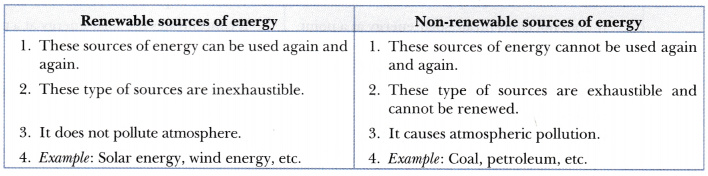
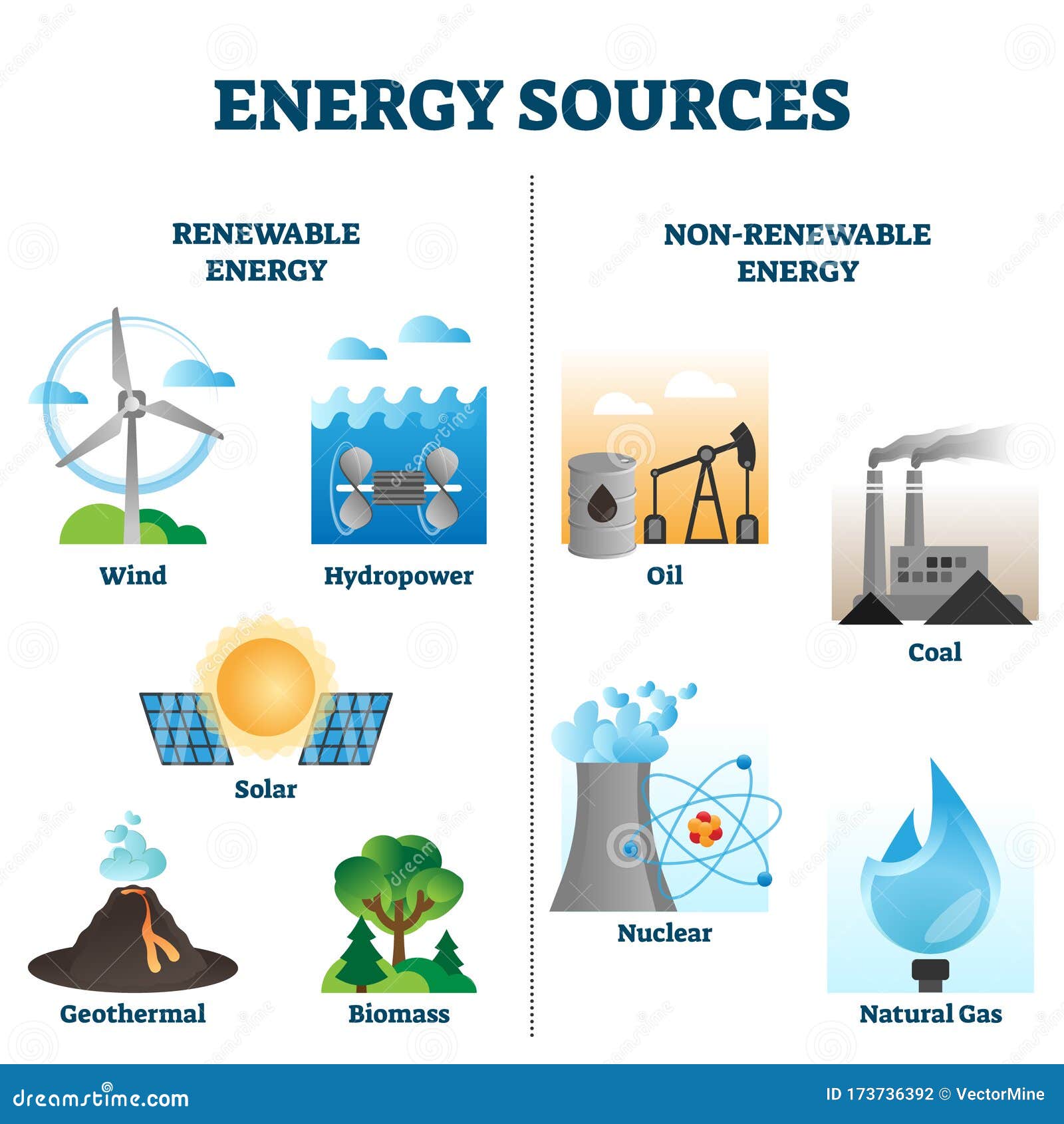
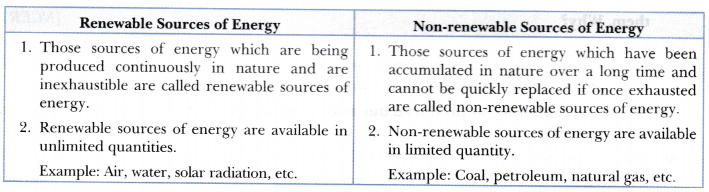
So, what's the big difference? Let's break it down. Renewable energy sources are like the Energizer Bunny – they just keep going and going! These are resources that naturally replenish themselves over a relatively short period of time. Think of the sun, wind, water, and even the Earth's internal heat. Solar panels soak up the sun's rays, wind turbines harness the power of the breeze, hydroelectric dams use flowing water, and geothermal plants tap into underground heat. The amazing thing is that these resources will (more or less) always be there! It is an endless supply of energy.
Now, let's talk about non-renewable energy sources. These are the resources that are finite, meaning there's a limited supply. Once we use them up, they're gone – poof! Fossil fuels like coal, oil, and natural gas fall into this category. These fuels were formed over millions of years from the remains of ancient plants and animals. While they've powered our world for a long time, extracting and burning them has significant environmental consequences, including air pollution and climate change. Nuclear energy, which comes from splitting atoms of uranium, is also considered non-renewable because uranium is a finite resource.
So, what are the benefits of going renewable? Think cleaner air, reduced greenhouse gas emissions, and a more sustainable future for our planet. While transitioning to renewable energy requires investment and innovation, the long-term payoff is huge. Plus, renewable energy sources can create new jobs and boost local economies! On the other hand, benefits of non-renewable energy sources include higher energy density and current infrastructure for extraction, processing, and consumption. But in the long run, the benefits of renewable energy far outweigh those of non-renewable sources.
Becoming an energy detective isn't about being perfect; it's about being aware. By understanding the difference between renewable and non-renewable resources, we can all make more informed choices – from supporting companies that invest in renewable energy to making small changes in our own lives to conserve energy. Every little bit helps! So, go forth and explore the world of energy. Your planet (and your future) will thank you for it!