Okay, so picture this: I'm making pancakes, right? But I only have enough batter for, like, three. My stomach's rumbling, and three measly pancakes just ain't gonna cut it. Now, if I had a magical batter dispenser that refilled itself instantly, I could keep cranking out pancakes until the cows come home. But alas, no magic dispenser. That's kinda like the difference between renewable and nonrenewable resources, folks.
The pancakes are sustenance. Think of the batter as a *resource*. That self-refilling batter dispenser? Renewable. The limited batter? Definitely nonrenewable. Let's dive into this, shall we?
Renewable Resources: The Gift That Keeps on Giving (Sort Of)
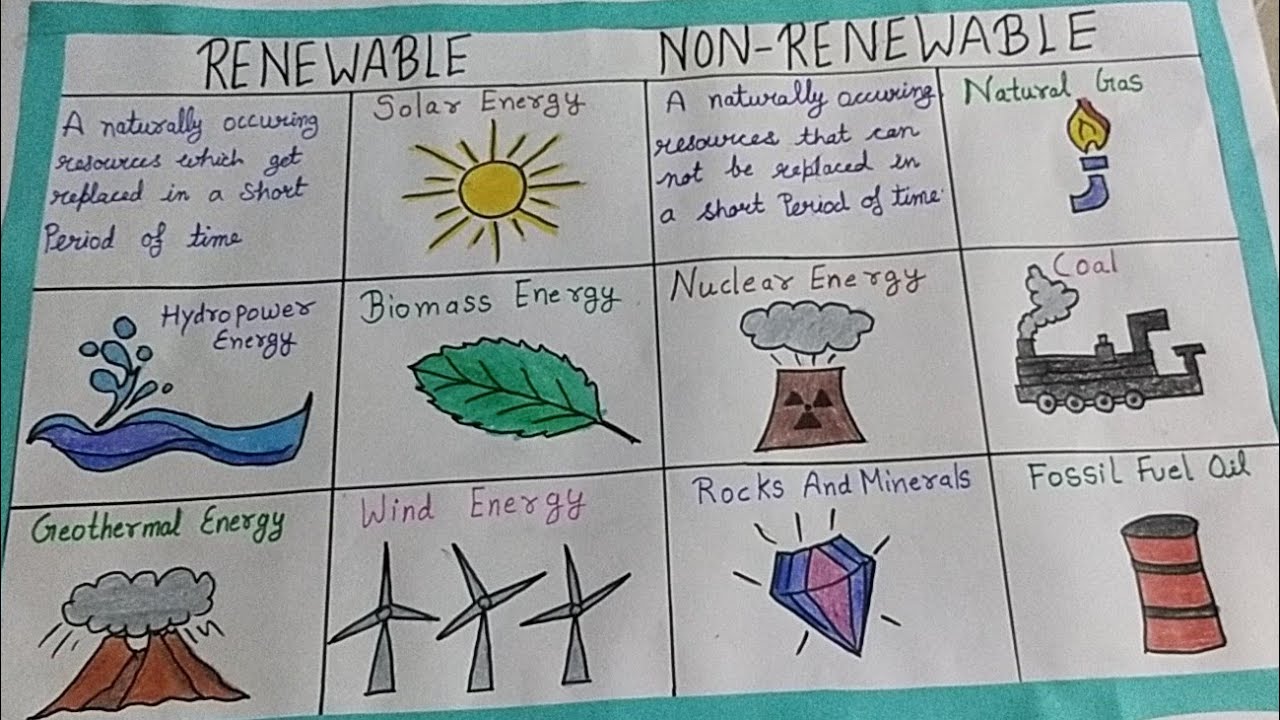
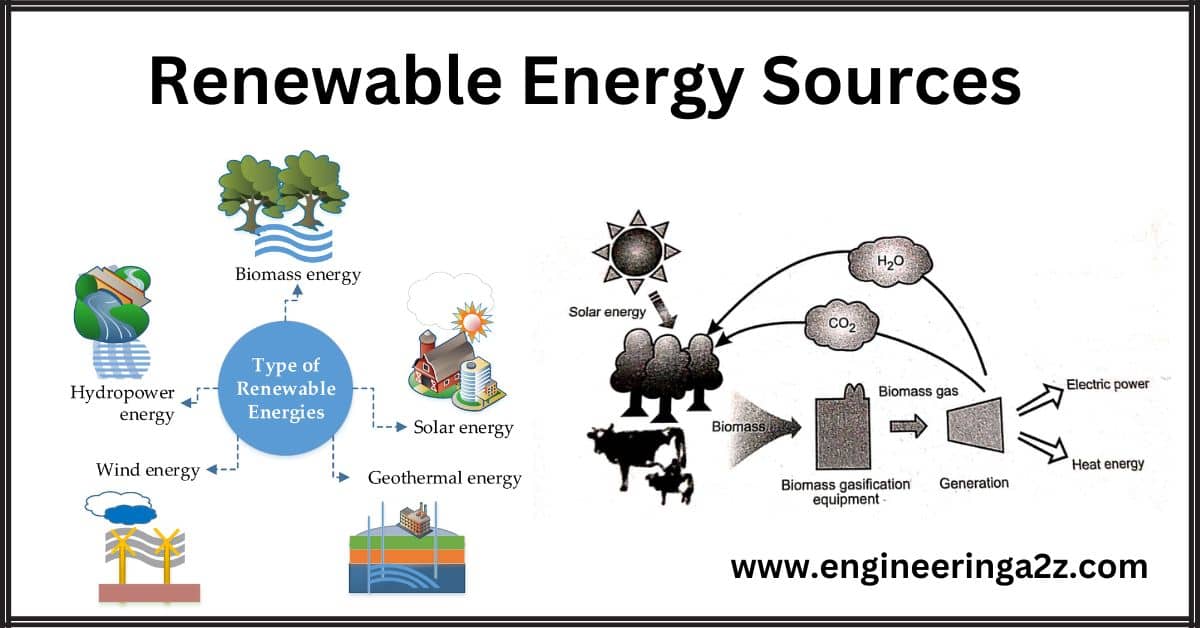
Renewable resources are exactly what they sound like: resources that can be replenished naturally over a relatively short period of time. The sun, wind, water – these are the superstars of the renewable world. Imagine a never-ending supply of energy! Sounds pretty sweet, right?
Think of solar power. Every day, the sun shines (well, most days, unless you live in Seattle – no offense, Seattle!). We can capture that energy using solar panels and power our homes, businesses, and even entire cities. And guess what? The sun keeps shining. It's not like we're going to run out of sunshine anytime soon. (Knock on wood!)
Wind power is another big player. Wind turbines convert the kinetic energy of the wind into electricity. As long as the wind blows (and it usually does, much to my hair's dismay), we can generate power. And the best part? The wind doesn’t get “used up” by the turbines. (Unless someone figures out how to bottle wind...then we might have a problem.)
Then there's hydropower, which uses the energy of moving water to generate electricity. Dams, like the Hoover Dam, are iconic examples of hydropower. But, of course, hydropower comes with its own set of environmental challenges (like disrupting fish populations, which is definitely a bummer). So, even renewable resources aren't always perfectly "green." *Important to keep in mind!*
Other renewable resources include geothermal energy (harnessing heat from the Earth), biomass (burning organic matter), and tidal energy (using the power of tides). Basically, anything that nature can replenish relatively quickly is a renewable resource. Score!
Nonrenewable Resources: The One-Shot Wonders
On the other side of the coin, we have nonrenewable resources. These are resources that exist in limited quantities and cannot be easily replenished. Once they're gone, they're gone (or at least, they’ll take millions of years to regenerate, which, let’s be real, is basically gone for us). Think of them as the limited-edition sneakers of the resource world.
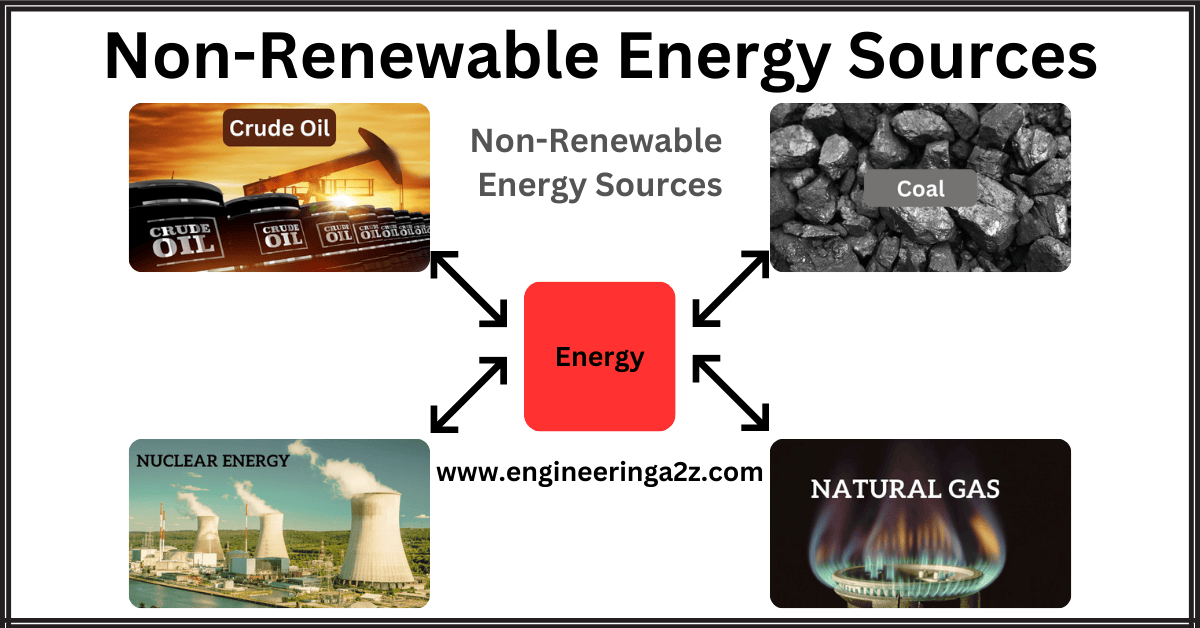
The big three nonrenewable resources are fossil fuels: coal, oil, and natural gas. These were formed from the remains of ancient plants and animals over millions of years. We dig them up, burn them, and use them to power our cars, generate electricity, and heat our homes.
But here's the catch: burning fossil fuels releases greenhouse gases into the atmosphere, which contribute to climate change. (Yes, *the* climate change. That thing we should probably be taking a bit more seriously). So, while fossil fuels are convenient and relatively cheap (for now), they come with a pretty hefty environmental price tag.
Besides fossil fuels, other nonrenewable resources include minerals like gold, silver, and iron ore. These are extracted from the Earth through mining, which can also have significant environmental impacts (deforestation, habitat destruction, you name it). Mining for rare earth minerals needed for our smartphones, for example, is a HUGE issue.
The Big Showdown: Why Does It Matter?
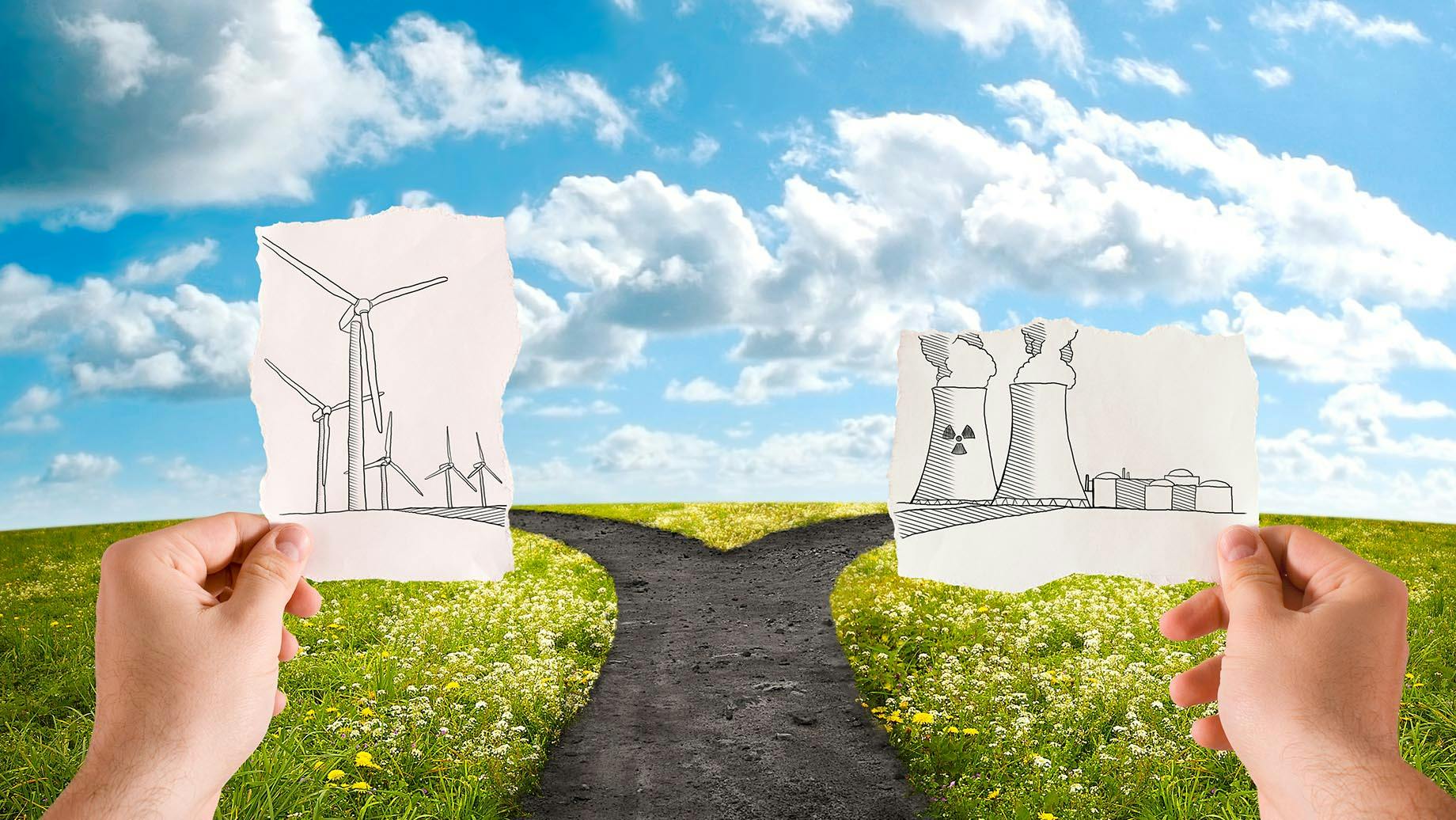
So, what's the big deal? Why should we care about the difference between renewable and nonrenewable resources? Well, the answer is simple: sustainability. We need to find ways to meet our energy needs without depleting the Earth's resources and destroying the planet in the process. Duh!
Relying heavily on nonrenewable resources is like spending all your money without ever earning any more. Eventually, you're going to run out. And when that happens, things get messy. (Think empty pancake batter and a very angry, hungry blogger.)
Transitioning to a more sustainable energy system based on renewable resources is essential for the long-term health of our planet and our future. It's not going to be easy, and it's going to require significant investment and innovation. But it's a challenge we simply can't afford to ignore. Our planet literally depends on it.
Plus, think of all the cool new jobs that'll be created in the renewable energy sector! Building wind turbines, installing solar panels, developing new energy storage technologies – these are the jobs of the future. So, by investing in renewable energy, we're not only saving the planet, we're also creating economic opportunities. Win-win!
So, next time you're flipping pancakes (or doing anything, really), take a moment to think about the resources you're using and where they come from. Are they renewable? Are they sustainable? Are you contributing to a brighter, greener future? You might be surprised at what you discover. And hey, maybe you'll even come up with a solution to the energy crisis. One can dream, right?