Hey there, weather enthusiast! Ever wondered what those swirling symbols on the weather map actually mean?
I'm talking about High and Low Pressure Systems! They're the rockstars of our atmosphere, constantly battling it out to decide what kind of day we're going to have.
So, What's the Deal with Pressure?
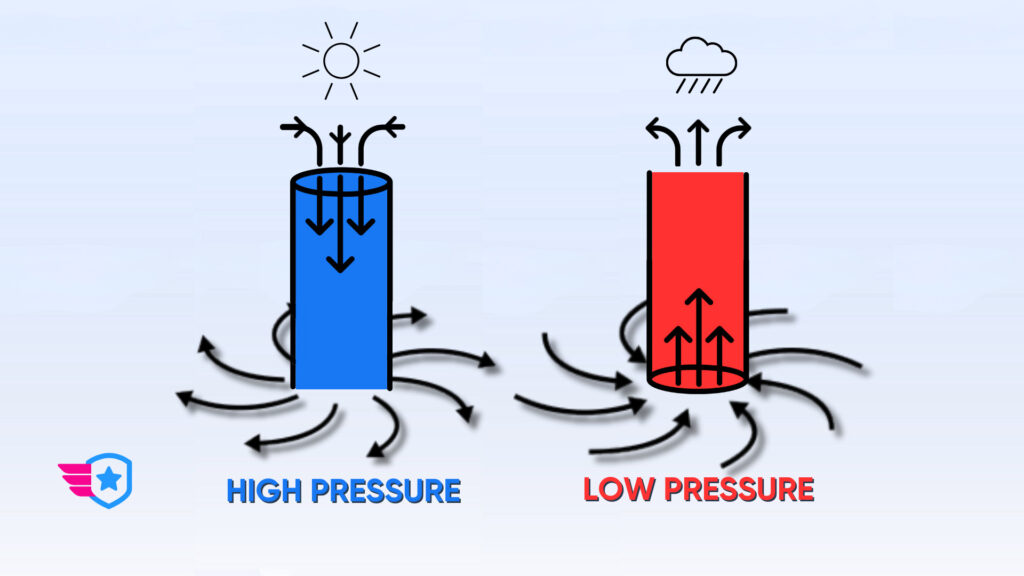
Think of air pressure as the weight of the air above you. High pressure? Lots of air molecules pushing down. Low pressure? Fewer air molecules, feeling lighter than air!
It's like a crowded elevator (high pressure) versus a chill solo ride (low pressure). You get the picture, right?
High Pressure: The Party Pooper (Sometimes)
High pressure systems are associated with calm, clear skies. They're the weather equivalent of that friend who's always organized and keeps things in order.
Air in a high-pressure system sinks. Yep, it’s literally pushing down, preventing clouds from forming. Think of it like this: imagine trying to blow bubbles underwater. That's how clouds feel in a high pressure system!
Generally, high pressure means sunshine and pleasant temperatures. Think picnic weather! ☀️
But here's the quirky part: in winter, high pressure can lead to cold, stagnant air and even fog. It’s like the system is TOO organized; nothing changes! Brrr!
Also, fun fact: High pressure areas rotate clockwise in the Northern Hemisphere and counter-clockwise in the Southern Hemisphere. Mind. Blown. 🤯 (Don’t worry too much about why! Just file that one away for party trivia.)
Low Pressure: The Drama Queen (Usually)
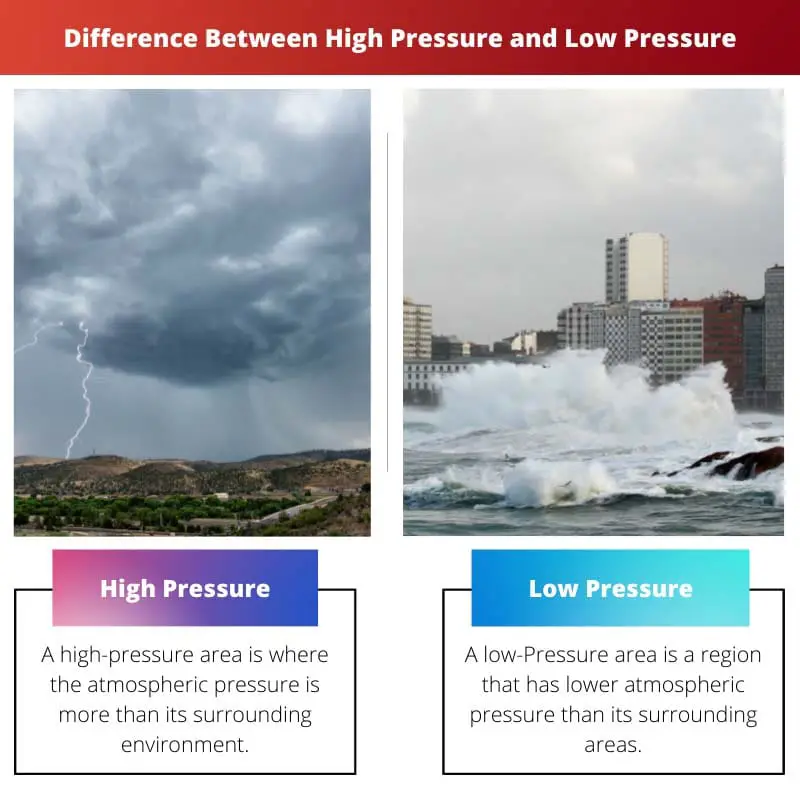
Low pressure systems are where the *action* is. These areas are associated with cloudy skies, precipitation, and sometimes even storms!
Air in a low-pressure system rises. As the air rises, it cools, and that cooling causes water vapor to condense and form clouds. It's like a meteorological magic trick!
Think of a boiling pot of water – that rising steam is similar to the air rising in a low-pressure system.
Low pressure systems often bring rain, snow, or even thunderstorms. They're the weather equivalent of that friend who's always got a story to tell (usually a dramatic one!). ⛈️
These systems also rotate! But opposite to high pressure areas. Low pressure areas rotate counter-clockwise in the Northern Hemisphere and clockwise in the Southern Hemisphere. Neat, huh?
Ever heard of a cyclone or a hurricane? Those are *intense* low pressure systems. Talk about drama!
High vs. Low: A Quick Recap
Okay, let's break it down simply:
High Pressure:
- Sinking air
- Clear skies
- Calm weather
- Clockwise rotation (Northern Hemisphere)
Low Pressure:
- Rising air
- Cloudy skies
- Precipitation
- Counter-clockwise rotation (Northern Hemisphere)
Why Should You Care?
Understanding high and low pressure systems can help you predict the weather! No more being caught in the rain without an umbrella. You’ll become a weather whisperer! 🧙♀️
It also makes watching the weather forecast way more interesting. Suddenly, those swirling symbols have meaning!
Beyond the Basics
Of course, it's not always this simple. Other factors like temperature, humidity, and wind patterns also play a role in the weather.
But understanding high and low pressure systems is a fantastic starting point for your weather adventures!
Now you're armed with some meteorological knowledge! Go forth and impress your friends with your newfound weather wisdom!
And remember, whether it's a sunny day under a high pressure system or a rainy day under a low pressure system, there's always something interesting happening in the atmosphere above us!
Keep looking up! 🌤️