Ever feel like you're navigating a maze of alphabet soup? Well, buckle up buttercup, because today we're diving headfirst into another acronym that might sound intimidating but is actually… kinda interesting! I’m talking about DFARS.
DFARS? Sounds like a Star Wars villain, right? Fear not! It stands for Defense Federal Acquisition Regulation Supplement.
Think of the Federal Acquisition Regulation (FAR) as the rulebook for how the U.S. government buys things. Everything from paperclips to submarines, it's all in there.
But the Department of Defense (DoD), being the DoD, needs its own slightly tweaked version. That's where DFARS comes in.
So, What Does DFARS *Actually* Do?
Basically, DFARS adds to and clarifies the FAR. It’s like the FAR’s cooler, more specific, and slightly more demanding older sibling.
Imagine you're ordering a pizza. The FAR is like saying, "I want a pizza."
DFARS is like saying, "I want a pizza, but it MUST have pepperoni from a specific farm in Italy, be cooked in a wood-fired oven built before 1900, and delivered by someone who can juggle three pizza boxes at once." (Okay, maybe not THAT specific, but you get the idea!)
The goal? To ensure the DoD gets exactly what it needs to keep things running smoothly and securely. And often with very specific requirements.
Who Needs to Know About DFARS?
This is crucial: If you're a contractor or subcontractor doing business with the DoD, DFARS is your new best friend. Or maybe a frenemy. Definitely a constant companion.
Ignorance is NOT bliss when it comes to DFARS. Failing to comply can lead to all sorts of headaches, like losing contracts or facing legal penalties.
Think of it as knowing the secret handshake to get into the cool kids' club... except instead of cool kids, it's a lucrative government contract!
Key Areas Covered by DFARS
DFARS covers a wide range of topics, but here are a few key areas where it really flexes its muscles:
- Cybersecurity: This is a big one! DFARS mandates specific cybersecurity standards (like complying with NIST SP 800-171) to protect sensitive information. Think of it as Fort Knox for data.
- Supply Chain Security: The DoD wants to know where its stuff is coming from. DFARS includes rules about sourcing materials and components from trusted suppliers. No dodgy deals in dark alleys, please!
- Domestic Sourcing: DFARS often requires that certain products be manufactured in the United States. It's all about supporting American jobs and ensuring a reliable supply chain. "Made in the USA" gets a whole new level of importance.
- Technical Data and Intellectual Property: DFARS outlines rules about protecting sensitive technical data and intellectual property. Keep those secrets safe!
Why All the Fuss About Compliance?
Because national security, duh! The DoD needs to be absolutely certain that the products and services it's buying are reliable, secure, and meet its specific requirements.
Imagine if the brakes on a military vehicle failed because a contractor cut corners on manufacturing. Or if sensitive military plans were leaked because of a cybersecurity breach. Not good!
DFARS is all about preventing those kinds of scenarios.
DFARS and Cybersecurity: A Closer Look
Let’s zoom in on the cybersecurity aspect of DFARS, because it’s a HUGE deal. Specifically, let’s talk about NIST SP 800-171.
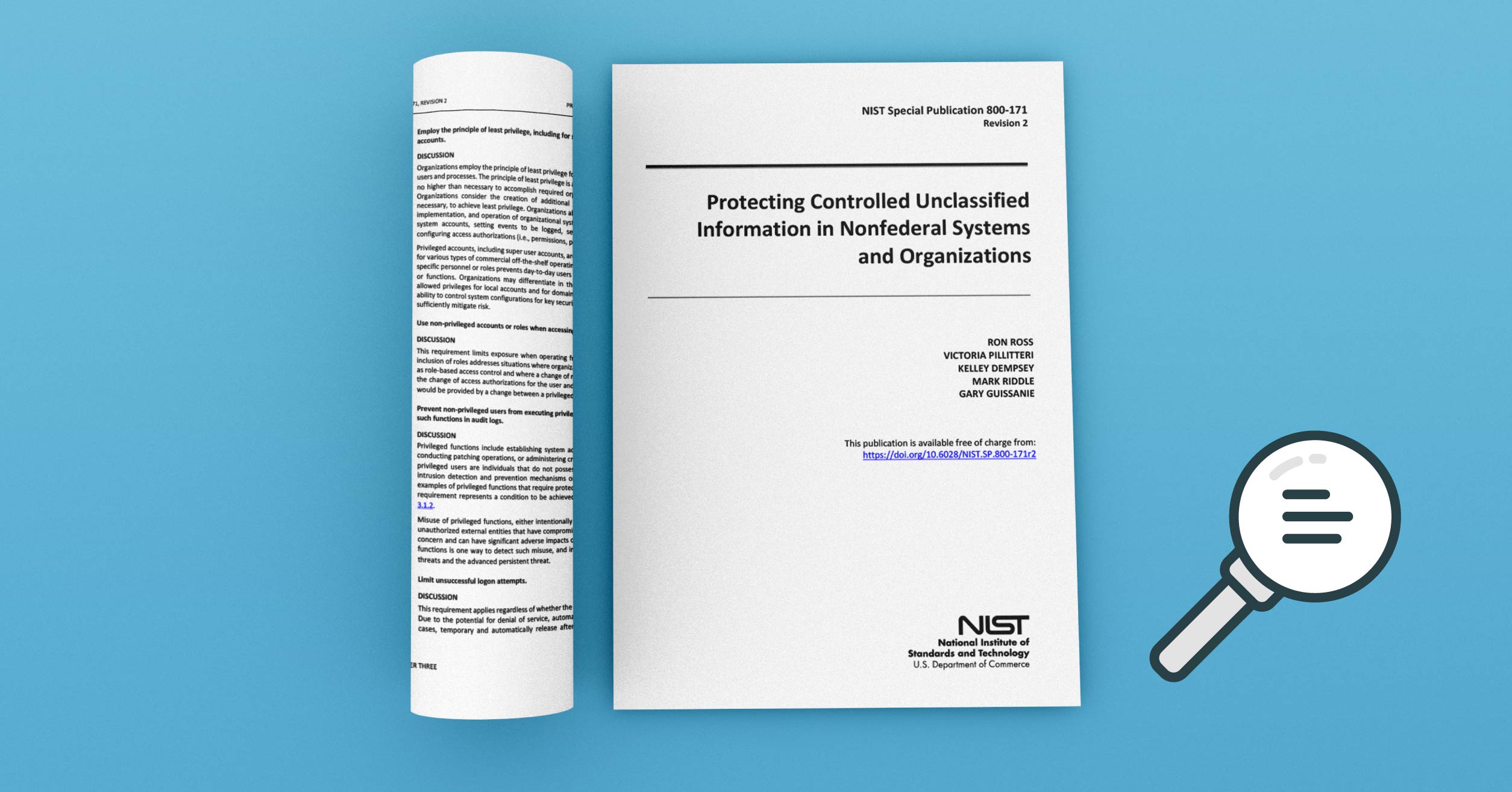
NIST SP 800-171 is a set of cybersecurity standards developed by the National Institute of Standards and Technology (NIST). It's like a checklist of best practices for protecting Controlled Unclassified Information (CUI).
Basically, if you handle CUI while working with the DoD, you MUST comply with NIST SP 800-171. And DFARS makes that crystal clear.
Think of it as having a super secure password, using multi-factor authentication, and keeping your software up to date... but on a much larger, more complex scale.
Compliance with NIST SP 800-171 involves implementing a whole host of security controls, including access control, awareness and training, audit and accountability, configuration management, identification and authentication, incident response, maintenance, media protection, physical protection, risk assessment, security assessment, system and communications protection, and system and information integrity.
Sounds like a lot? It is! But there are plenty of resources available to help you navigate the process. Don't be afraid to ask for help!
Navigating the DFARS Labyrinth
Okay, so DFARS can seem overwhelming. But fear not! Here are a few tips for navigating the DFARS labyrinth:
- Know Your Requirements: Figure out which DFARS clauses apply to your specific contract. Read the fine print (yes, all of it!).
- Get Expert Help: Don't be afraid to consult with cybersecurity experts, legal professionals, or compliance consultants. They can help you understand your obligations and develop a compliance plan.
- Implement a Robust Cybersecurity Program: Invest in cybersecurity tools and training to protect your systems and data. Treat cybersecurity as an ongoing process, not a one-time fix.
- Document Everything: Keep meticulous records of your compliance efforts. This will be invaluable in case of an audit.
- Stay Up-to-Date: DFARS is constantly evolving, so stay informed about the latest changes. Subscribe to relevant newsletters and attend industry events.
DFARS: It's Not Just Compliance, It's a Competitive Advantage
While compliance with DFARS might seem like a burden, think of it as an opportunity to differentiate yourself from the competition.
By demonstrating that you take cybersecurity and supply chain security seriously, you can build trust with the DoD and increase your chances of winning contracts.
Plus, implementing strong security practices will protect your own business from cyber threats. It's a win-win!
The Bottom Line
DFARS is a crucial set of regulations that ensures the DoD gets the secure, reliable products and services it needs. It also keeps the nation safe.
While compliance can be challenging, it's essential for any contractor or subcontractor doing business with the DoD.
So, embrace the acronym, learn the rules, and get ready to navigate the DFARS world with confidence! You got this!
“With great contracts comes great responsibility.” – A paraphrased saying that’s probably relevant here.
Remember, even if DFARS feels like deciphering ancient hieroglyphics sometimes, it’s all about keeping things secure and ensuring the best for those who protect us.
So, go forth and conquer the world of defense contracting… one DFARS clause at a time!