Isn't it amazing how we can plug our phones into the wall and, seemingly by magic, they charge up? Or how that sleek laptop keeps humming along, powered by nothing but a thin cord snaking its way to an outlet? We often take it for granted, but the process that makes this all possible – converting alternating current (AC) to direct current (DC) – is a unsung hero of modern life. It's a conversion that's probably happening within inches of you right now!
So, why is this conversion so crucial? Well, most of the electricity that comes out of our wall sockets is AC. This means the current flows back and forth, changing direction periodically. While AC is fantastic for long-distance transmission (think power lines stretching across the country), many of our everyday electronic devices rely on DC. DC, on the other hand, flows in one direction only, providing a stable and consistent power source that’s less likely to fry your delicate gadgets.
Think of it like this: AC is like a raging river, powerful but unpredictable. DC is like a calm, steady stream, perfect for nurturing sensitive life forms (in this case, our electronics!). Converting AC to DC ensures that our devices receive the clean, reliable power they need to function properly and avoid damage. It's like having a water filtration system for electricity!
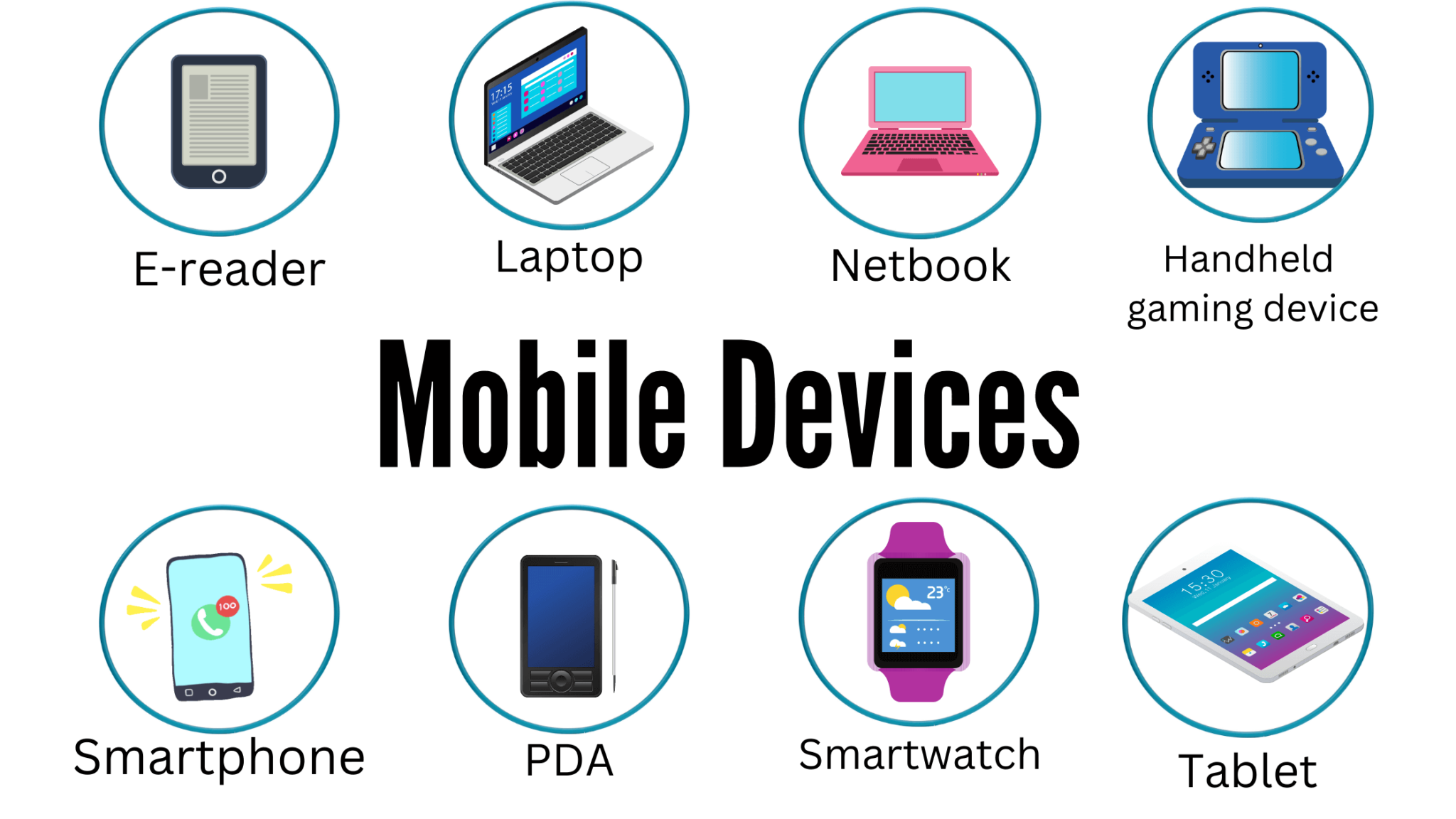
You encounter AC to DC converters everywhere. Your phone charger is a prime example. That little brick transforms the AC from the wall into the DC your phone's battery needs. Laptops have internal or external power adapters that perform the same function. Even larger appliances, like televisions and computers, often have built-in AC to DC converters to power their internal components. Look closely at the label on any electronic device, and you'll likely see information about its DC input voltage and current – a sure sign that AC to DC conversion is happening behind the scenes.
But how can you ensure you are making the most of your AC to DC conversions, and ensure they last? Here are a few practical tips:
- Use the right charger: Always use the charger specifically designed for your device. Using a charger with the wrong voltage or current rating can damage your device's battery or even pose a safety hazard. Don't just grab any old USB charger!
- Avoid cheap imitations: Generic or unbranded chargers can be tempting due to their low price, but they often lack the safety features and quality components of reputable brands. Invest in a good quality charger for peace of mind.
- Keep it cool: AC to DC converters generate heat during operation. Avoid covering them or placing them in enclosed spaces where heat can build up. Proper ventilation will prolong their lifespan.
- Unplug when not in use: Even when not actively charging a device, some chargers continue to draw a small amount of power. Unplugging them when not in use can save energy and reduce the risk of overheating.
Understanding the role of AC to DC conversion in our daily lives can help us appreciate the ingenuity of modern technology and make informed decisions about the devices we use and how we power them. So, the next time you plug in your phone, take a moment to appreciate the unsung hero that's quietly working to keep your digital world running smoothly – the AC to DC converter!