There's a certain freedom that comes with having access to power, anywhere. Whether you're camping under the stars, tailgating at a game, or simply need a reliable backup during a power outage, a generator can be a lifesaver. They offer the convenience of electricity on demand, allowing us to enjoy modern comforts even when off the grid. But let's face it, that roaring engine can quickly turn a peaceful escape into an ear-splitting nightmare. So, how do we keep the power flowing without sacrificing our sanity (and the sanity of our neighbors)? The answer lies in designing a quieter generator!
The benefits of a quiet generator are numerous. First and foremost, it drastically reduces noise pollution. Imagine trying to relax by a tranquil lake, only to be constantly bombarded by the drone of a loud generator. A quieter generator allows you to truly appreciate your surroundings and maintain a sense of peace. Secondly, it's about consideration for others. Whether you're in a campground, a residential neighborhood, or even a construction site, reducing noise levels demonstrates respect for those around you. Finally, quieter operation often translates to a more pleasant user experience overall. You're less likely to get a headache, and you can actually hold a conversation without shouting.
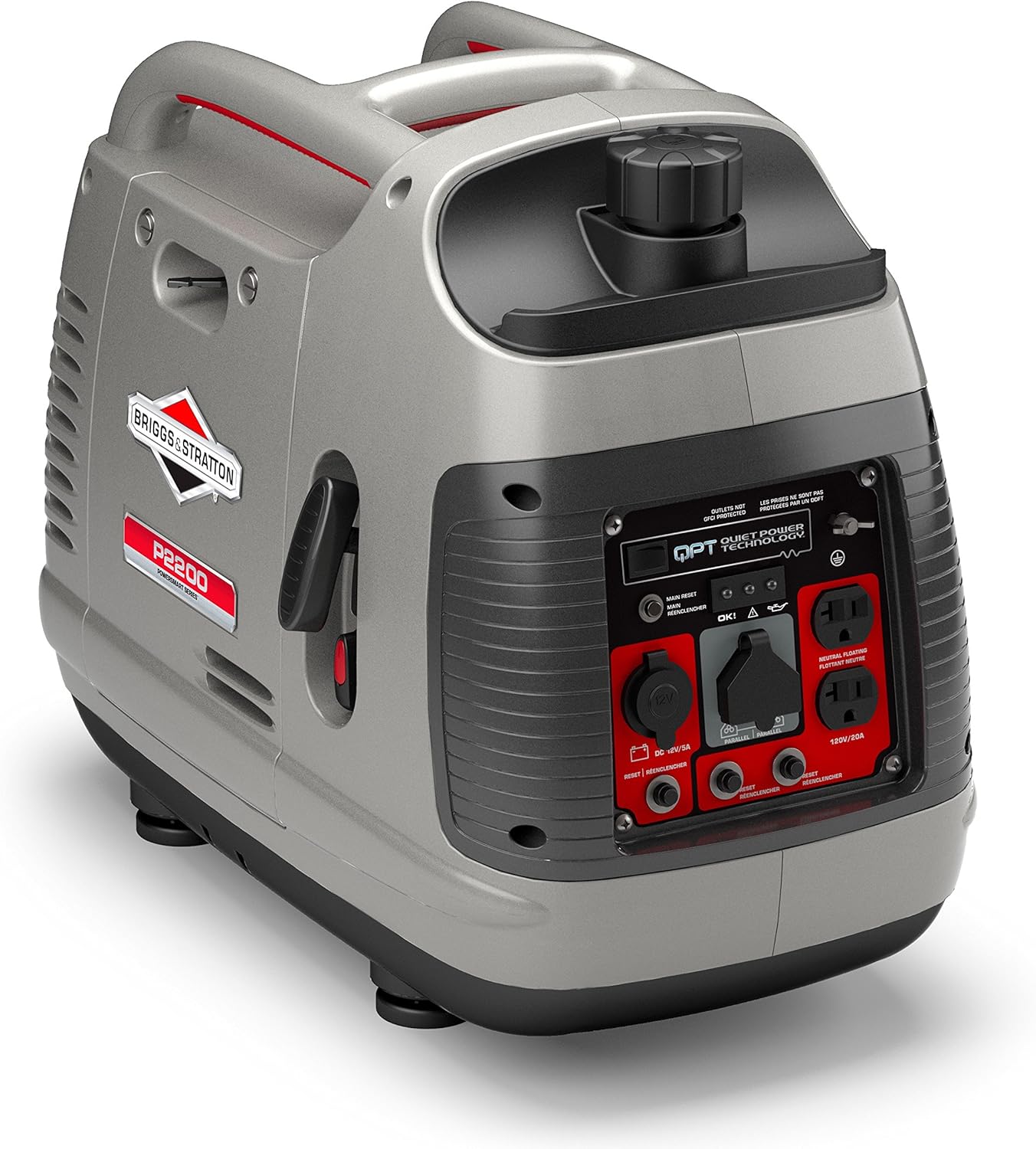
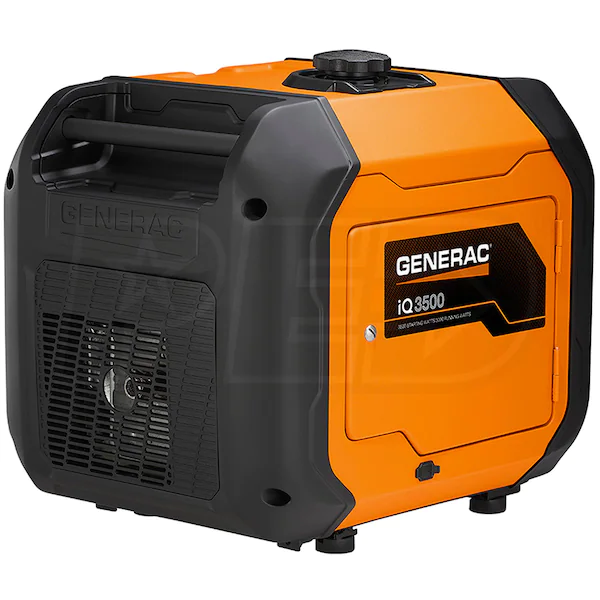
Quiet generators are used in a variety of applications. Recreational vehicles (RVs) heavily rely on them for running appliances, lights, and entertainment systems. Camping enthusiasts use them to power electric coolers, charge devices, and illuminate campsites. Construction sites benefit from reduced noise levels, improving communication and safety. Even homeowners are turning to quiet generators as a reliable source of backup power during emergencies, without disturbing the peace of the neighborhood.
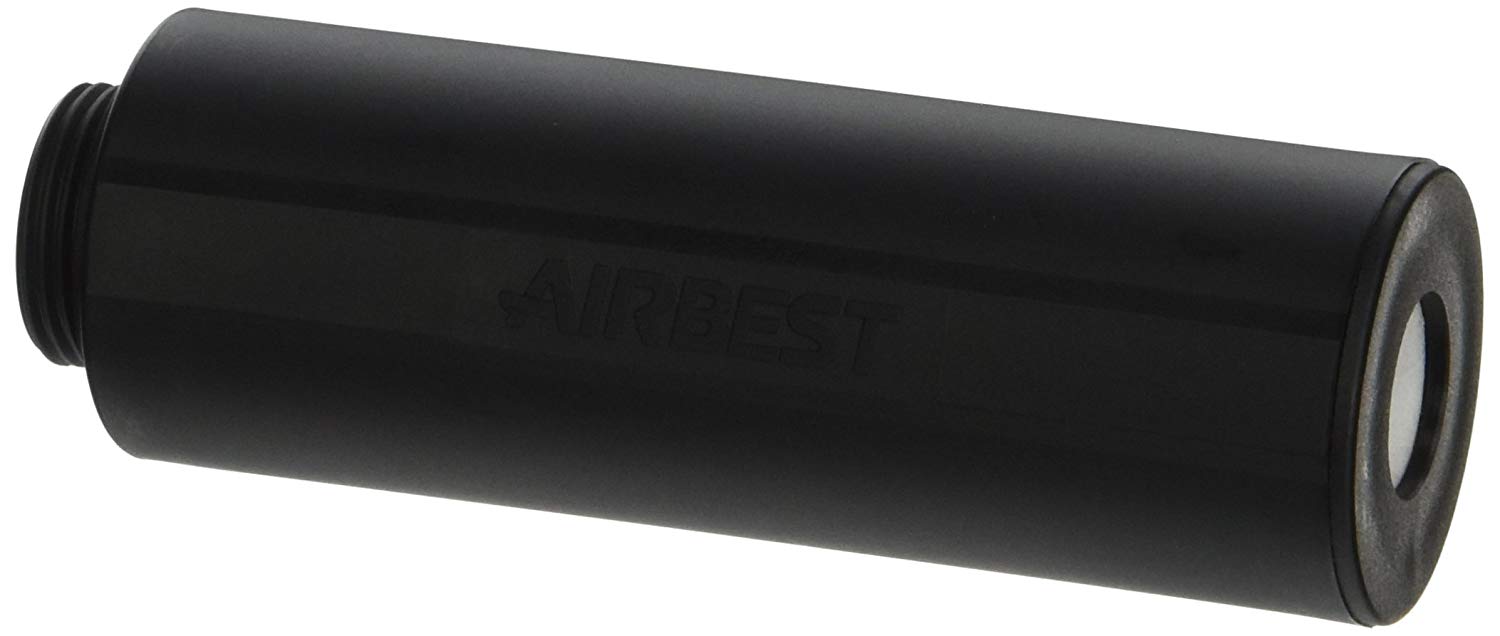
So, how can we make generators quieter? Several techniques are employed in the design and manufacturing process. Enclosures play a significant role; well-insulated housings can dampen sound waves significantly. Many manufacturers now use noise-reducing materials in the construction of the engine and exhaust system. Inverter technology, which regulates power output, also tends to result in quieter operation compared to traditional generators. Additionally, features like low-idle mode, which automatically reduces engine speed when power demand is low, contribute to quieter performance.
But you don't need to be an engineer to enjoy a quieter generator. Here are a few practical tips to enhance your experience: First, consider the placement of your generator. Positioning it on a soft surface like grass or a rubber mat can help absorb vibrations. Keep it away from hard surfaces like walls or fences that can reflect sound. Second, invest in sound dampening accessories. Generator enclosures, exhaust silencers, and even strategically placed sound barriers can make a noticeable difference. Third, maintain your generator regularly. A well-maintained engine runs more efficiently and produces less noise. Finally, be mindful of your power consumption. Reducing your overall power demand will allow the generator to run at a lower, quieter speed. By implementing these strategies, you can enjoy the convenience of portable power without sacrificing the peace and quiet we all crave. Remember, a little effort goes a long way in making your generator experience a more enjoyable one!