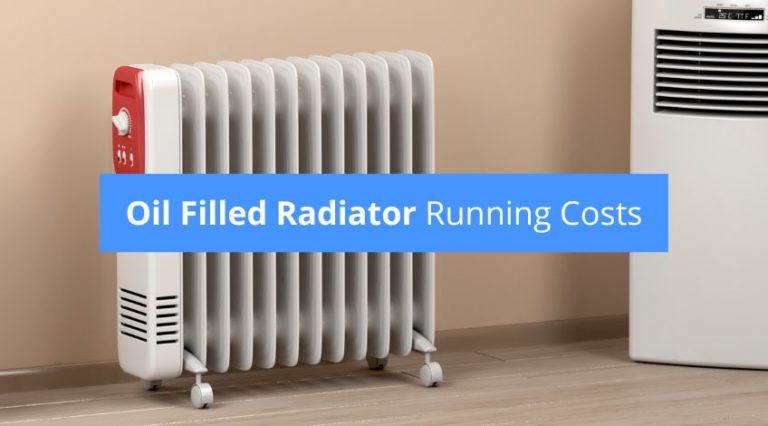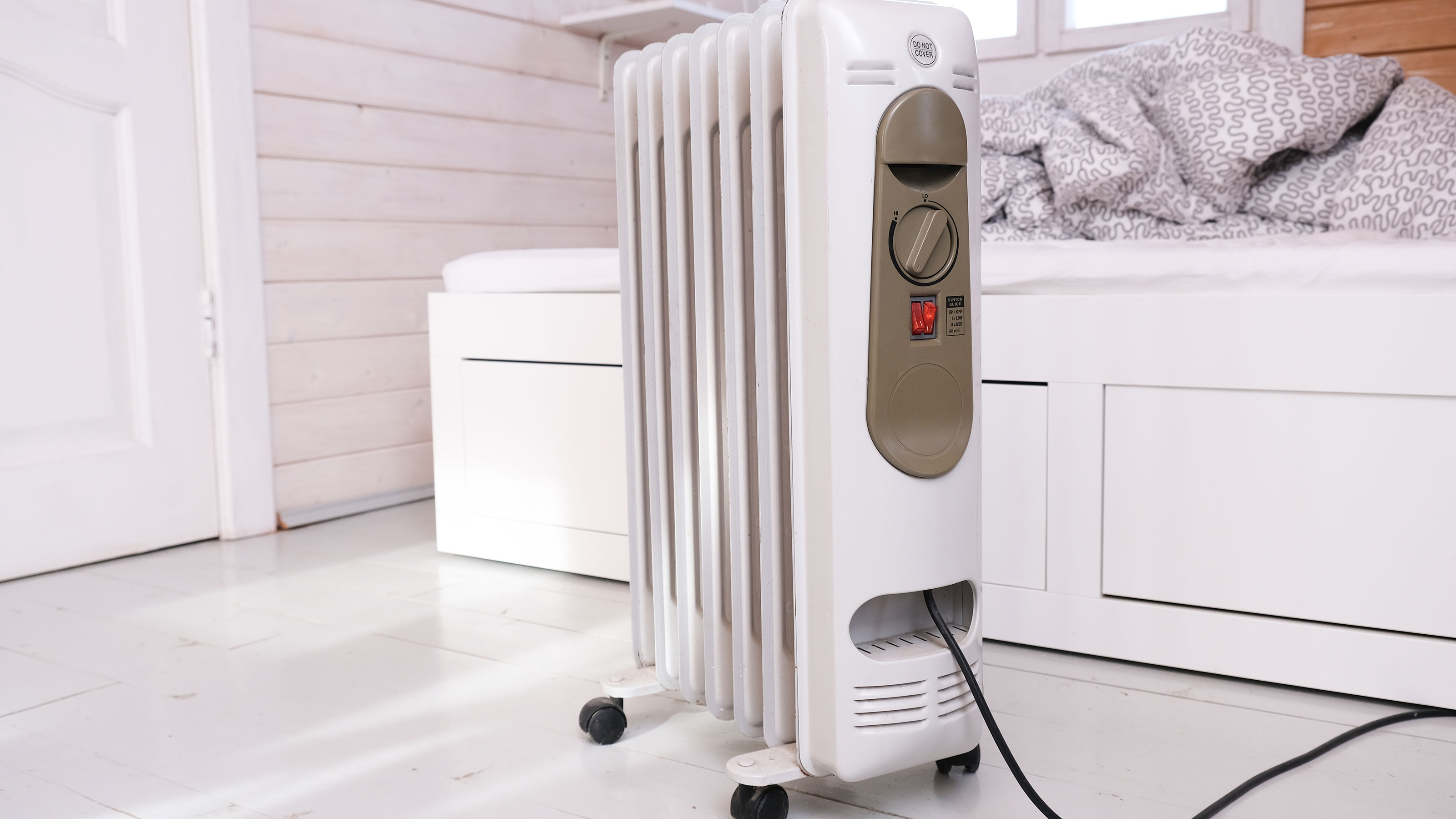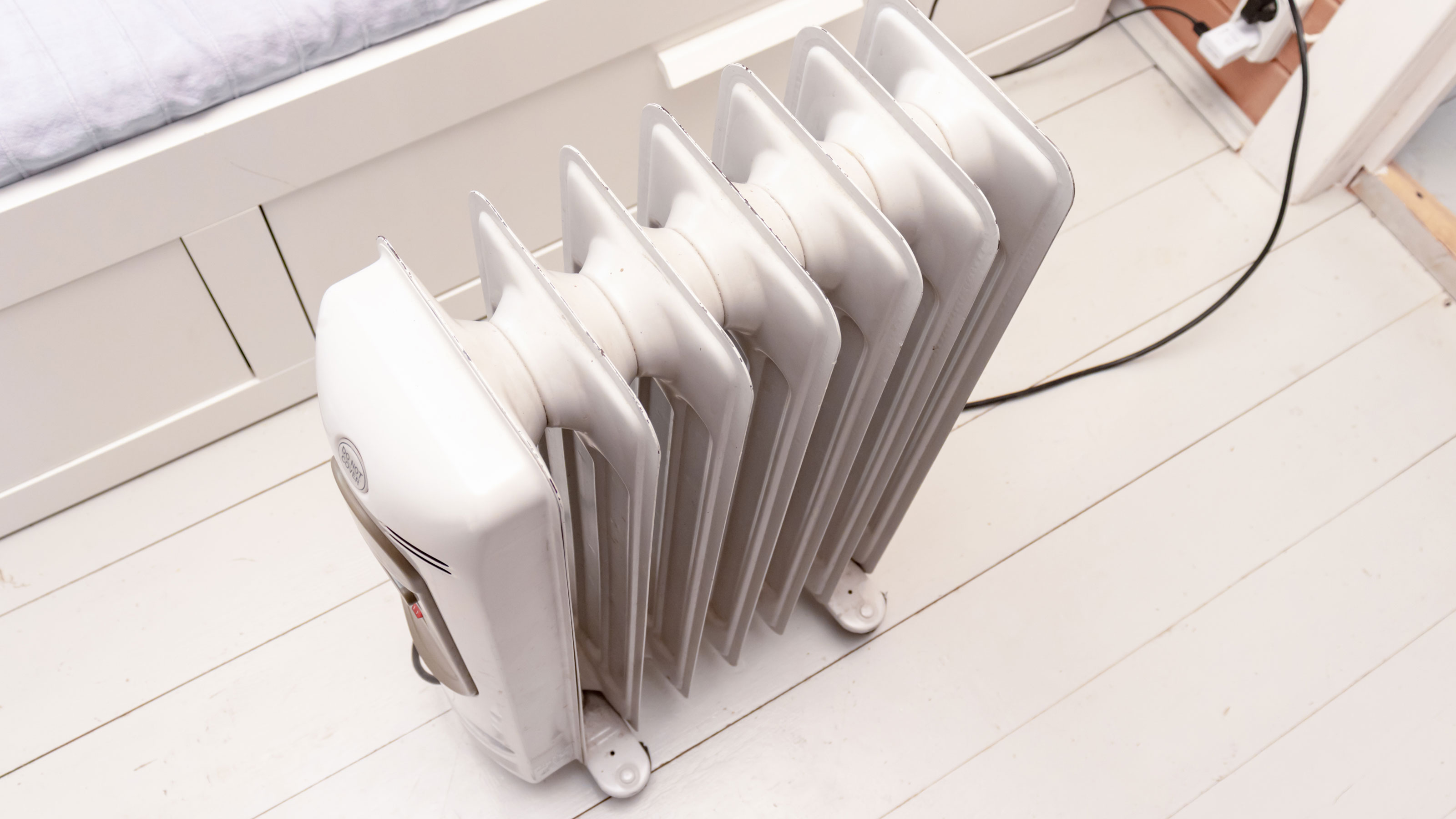
Alright, settle in, folks! Let's talk about oil-filled radiators. Those warm, cuddly rectangles that promise to keep you toasty on a budget. But the big question is: are they secretly plotting against your wallet? Are they energy vampires in disguise? Let's dive in!
First off, a confession: I once named my oil-filled radiator "Sir Reginald Warmington the Third." Don't judge me. Winter is long, and I was lonely... and cold. Anyway, Sir Reginald, like all his brethren, is powered by electricity. Which means... dun dun DUN... it costs money to run him. Shocker, I know.
So, How Much Are We Talking? The Math, Made Easy (ish)
Okay, let's get down to brass tacks. The cost of running an oil-filled radiator depends on a few things:
- The Radiator's Wattage: This is usually printed on the radiator itself, or in the manual (if you haven't already used it to start a fire in a desperate attempt to keep warm – been there). Typically, they range from 700W to 2500W. Let's say we're dealing with a 1500W model, a fairly common size.
- Your Electricity Rate: This is the price you pay per kilowatt-hour (kWh). Check your electricity bill. It's usually expressed in cents per kWh. For example, let's pretend you're paying 20 cents per kWh (prices vary wildly, so check yours!).
- How Long You Run It: This is the tricky part. Do you crank it up 24/7 like you're trying to recreate the surface of the sun in your living room? Or do you just use it sparingly, like a civilized human being?
Now for the magic formula! (Don't worry, it's not rocket science, unless you are a rocket scientist, in which case, welcome! And please explain string theory to me sometime.)
Cost per hour = (Wattage / 1000) x Electricity Rate
So, for our 1500W radiator at 20 cents per kWh:
(1500 / 1000) x 0.20 = $0.30 per hour
That's 30 cents an hour. Not bad, right? Now, if you run it for, say, 8 hours a day, that's $2.40 a day. Over a month, that's roughly $72. Ouch. Suddenly Sir Reginald isn't looking so cuddly anymore.
Important note: Oil-filled radiators are generally more efficient than some other types of space heaters because they retain heat for a while after they've stopped drawing power. The oil inside heats up, and then slowly releases that heat. Think of it like a thermal battery. So, if your radiator has a thermostat (and most do), it will cycle on and off, reducing the overall running cost. This means the $72 might be an overestimate – hooray!
But Wait, There's More! (Tips & Tricks to Save Money)
Okay, so we've established that oil-filled radiators can be a bit thirsty for electricity. But fear not! Here are some tips to keep those costs down:
- Use a Thermostat: This is crucial. Set it to a comfortable temperature, and let the radiator do its thing. Don't crank it up to "volcanic" unless you're trying to melt ice sculptures in your apartment.
- Targeted Heating: Only heat the rooms you're actually using. Close doors to unused rooms to prevent heat from escaping. It's like telling the cold, "You shall not pass!"
- Insulation is Your Friend: Make sure your windows and doors are properly sealed. Drafts are like little heat thieves, sneaking away with your hard-earned warmth.
- Consider a Smart Plug: You can use a smart plug to schedule when your radiator turns on and off. Pre-heat your bedroom before you get home from work, and then automatically shut it off when you're asleep. Genius!
- Layer Up: This one seems obvious, but seriously, wear a sweater! Don't rely solely on the radiator to keep you warm. Think of it as a team effort. You provide the fuzzy socks, Sir Reginald provides the ambient warmth.
Fun Fact: Some people believe that painting your radiator black will make it more efficient. This is... debatable. While black does absorb heat better, it also radiates heat better. So, the jury's still out on that one. But hey, if you're bored and want to give your radiator a makeover, go for it! Just don't blame me if it doesn't magically halve your electricity bill.
The Verdict: Are Oil-Filled Radiators Worth It?
Ultimately, whether an oil-filled radiator is a good choice depends on your specific needs and circumstances. They're generally a good option for supplemental heating, especially in smaller rooms. They're also relatively safe (compared to, say, a kerosene heater) and quiet. But they're not the cheapest way to heat a whole house, and they can take a while to warm up.
So, weigh the pros and cons, do your research, and remember to factor in the cost of electricity. And maybe, just maybe, give your radiator a funny name. It might make the winter a little more bearable. Just don't blame me when it starts demanding organic oil changes.
Disclaimer: I am not an electrician, an energy expert, or a qualified radiator namer. This information is for entertainment purposes only. Always consult with a professional for advice tailored to your specific situation.