Ever wondered if going green is really all that green? We all know renewable energy is better than burning fossil fuels, but what about the subtle differences between the renewables themselves? It’s a fascinating question, and understanding it helps us make more informed choices about the energy we use and support. Think of it like choosing between different vegetables - they're all good for you, but each has its own unique nutritional profile and impact on the farm that grows them.
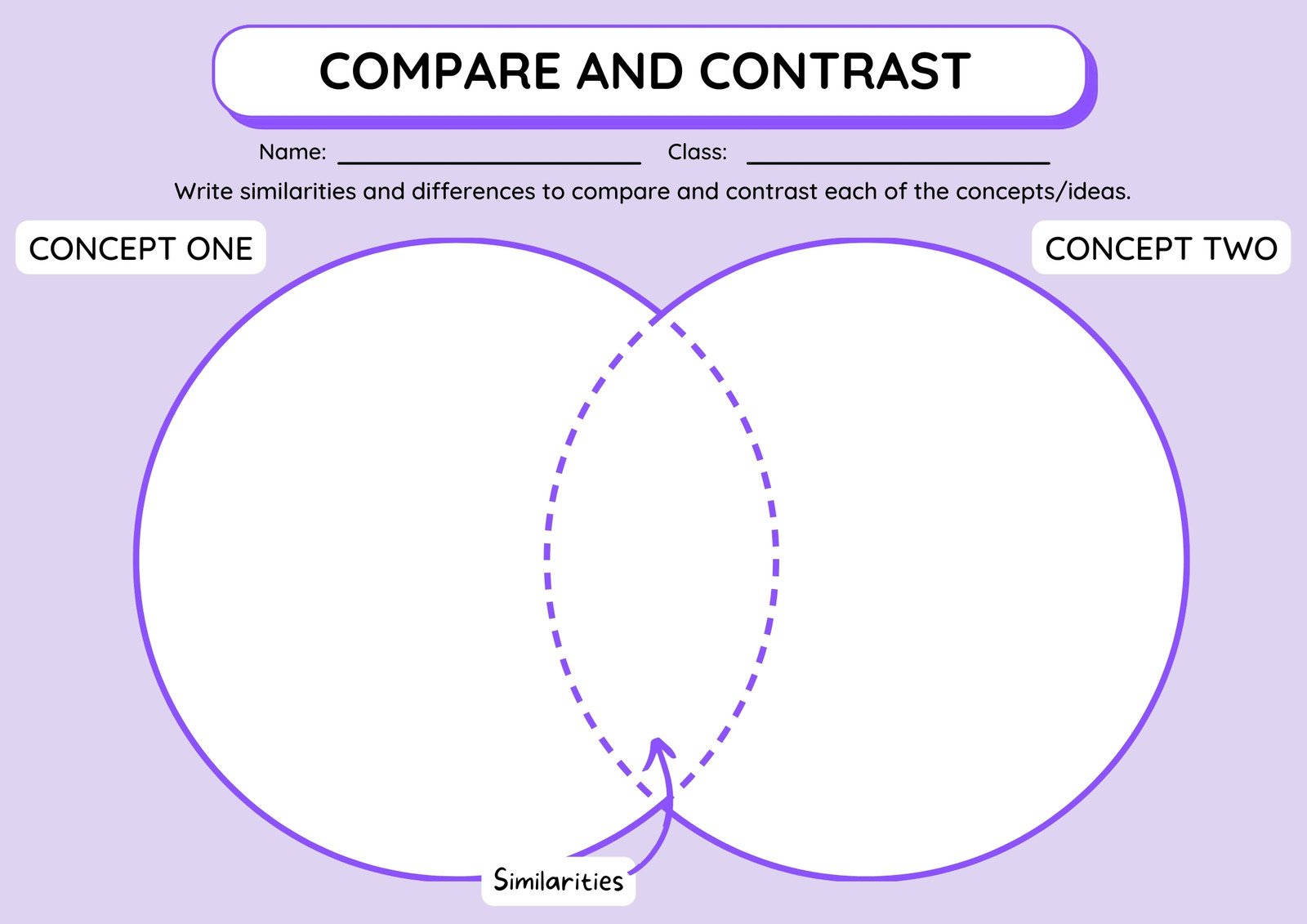
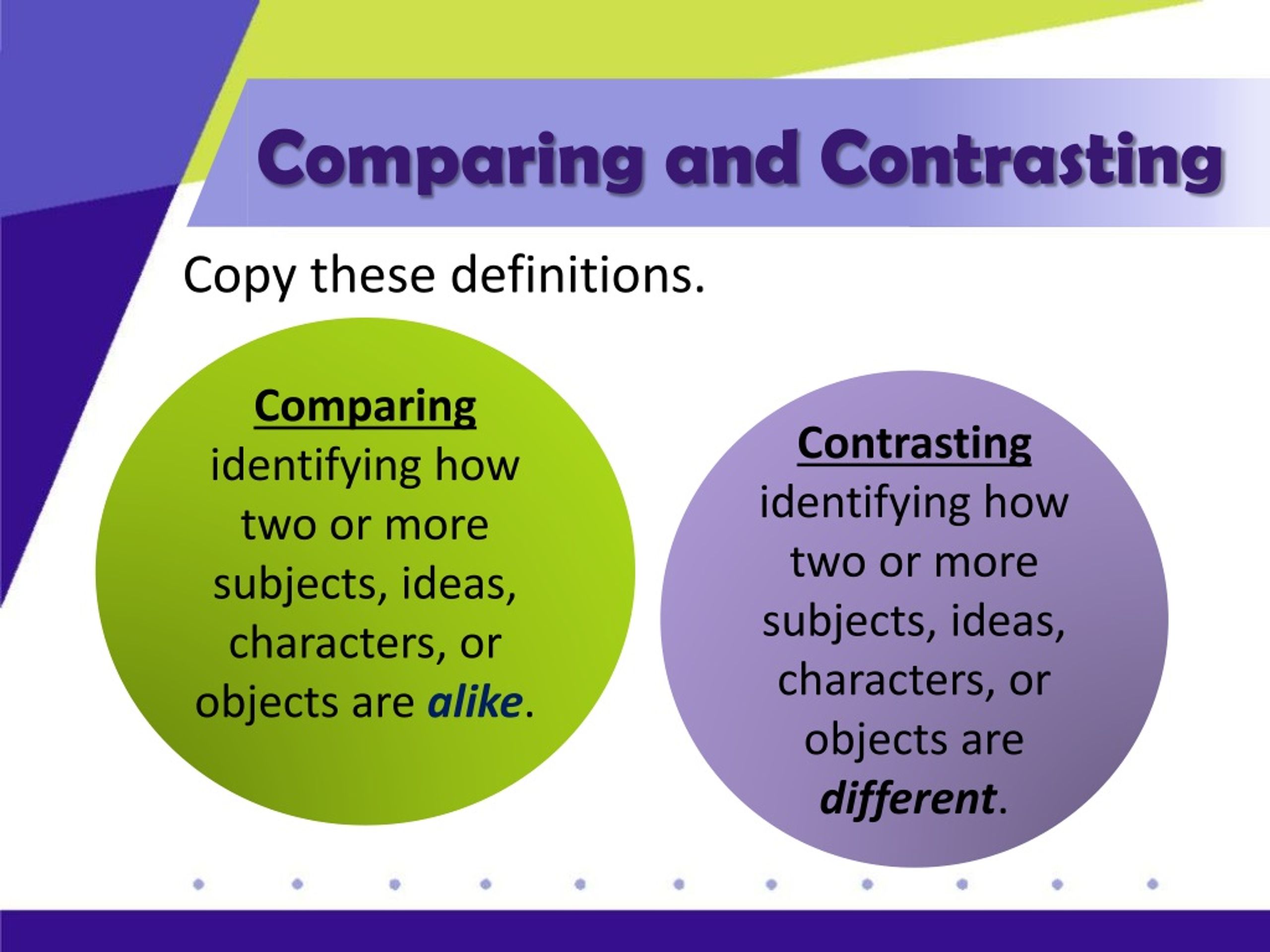
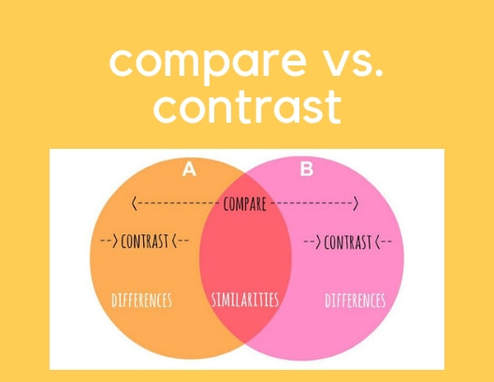
The purpose of comparing the environmental impact of different renewable energy sources is to identify the most sustainable and least impactful options. While all renewables offer a significant improvement over fossil fuels, they're not entirely without consequences. By understanding these consequences, we can make smarter policy decisions, encourage more responsible development, and even make better personal choices about our energy consumption. The benefits are huge – a cleaner environment, a healthier population, and a more sustainable future for everyone.
Let's consider some examples. Solar power, while brilliant, requires land for solar farms and resources for manufacturing panels. Mining those resources can have environmental impacts, and the disposal of old panels is a growing concern. Wind power, another champion, can affect bird and bat populations and sometimes generates noise pollution. Hydropower, while providing a steady stream of energy, can drastically alter river ecosystems and displace communities when dams are built. Geothermal energy, using the Earth's internal heat, sometimes releases small amounts of greenhouse gases that are trapped underground, and can trigger minor earthquakes in very rare cases.
In education, this topic is incredibly relevant. Students can research the entire lifecycle of different renewable energy technologies, from raw material extraction to decommissioning. They can compare the land use requirements, water consumption, and carbon footprint of each option. Debates about the optimal energy mix for a region can foster critical thinking and problem-solving skills. In daily life, understanding these impacts can influence our purchasing decisions. Perhaps you choose to support companies that prioritize responsible sourcing of materials for their solar panels, or advocate for wind farm locations that minimize harm to wildlife. You might even consider the overall energy mix of your electricity provider when choosing a plan.
So, how can you explore this further? Start with a little research! Reputable environmental organizations and government agencies often publish reports on the environmental impacts of different energy sources. Look for studies that consider the entire lifecycle, not just the energy generation phase. Another practical tip is to engage in discussions with friends and family about your findings. Sharing information and hearing different perspectives can broaden your understanding. You could also visit a local renewable energy installation, like a solar farm or wind turbine, to see these technologies in action and learn more about their operation. Even just being more mindful of your energy consumption and seeking ways to reduce your overall footprint is a step in the right direction. Remember, every little bit helps in creating a more sustainable and environmentally friendly future.