Nuclear energy! The very words conjure up images of steaming power plants and… well, maybe not artistic inspiration. But hold on! Before you dismiss it as purely a scientific topic, consider this: understanding the power of the atom, even on a basic level, can unlock a surprising world of creative possibilities. Think of it as knowledge as fuel – fueling your imagination, that is.
So, what's in it for the artists, hobbyists, and casual learners among us? Let's explore the advantages and disadvantages of harnessing this seemingly complex subject.
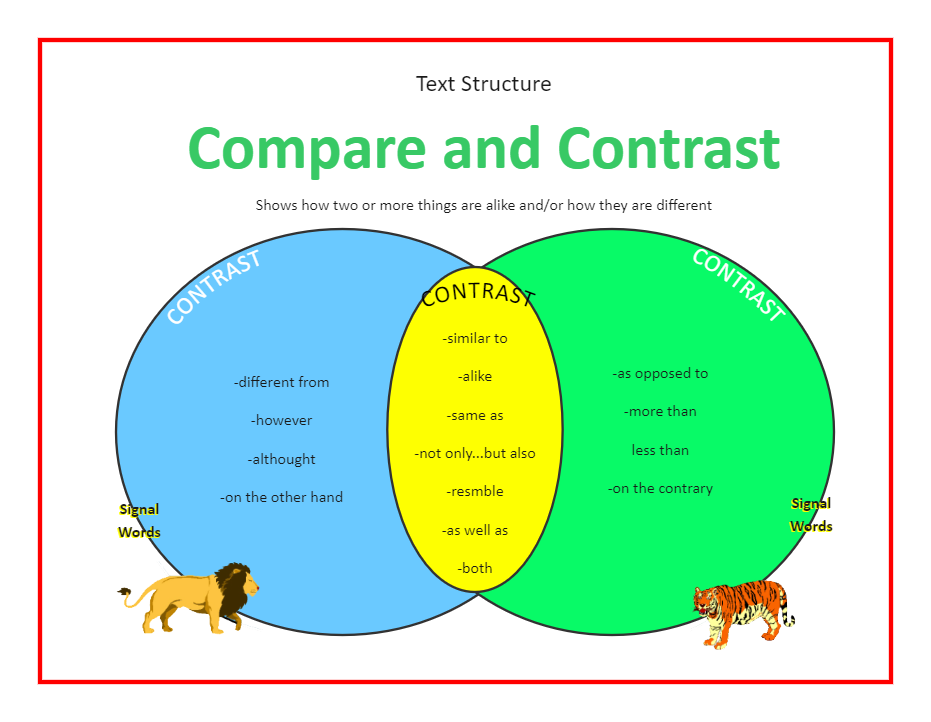
One clear advantage is the sheer scale of nuclear energy. It's a force of nature harnessed (albeit in a controlled way). For artists, this translates into a profound understanding of energy and its impact. Imagine painting a landscape, now imagine it powered by a single, unseen force. The power of nuclear fission is so vast that it could inspire new ways to express scale, power, and even fragility.
Another advantage is the depth of knowledge it offers. Studying nuclear energy touches upon physics, chemistry, engineering, and even political science. This interdisciplinary aspect is perfect for curious minds. Hobbyists, in particular, might find themselves drawn to building models of reactors (purely for educational purposes, of course!), while casual learners can enjoy diving into the fascinating history of its discovery and development.
But, of course, there are disadvantages. The main one? Accessibility. You can't exactly build a nuclear reactor in your garage! The potential for misuse and the ethical concerns surrounding nuclear weapons are also significant drawbacks to consider. However, these challenges can also serve as creative prompts. Artists might explore the anxieties and hopes surrounding nuclear power through sculpture, photography, or even performance art. Think of abstract art depicting the tension between creation and destruction.
Another disadvantage is the complexity. Nuclear physics can be intimidating. But don't let that scare you! Start small. Read introductory articles, watch documentaries, and focus on the basics. Think of it as learning a new language – you don't need to become fluent overnight. Focus on understanding concepts like isotopes, radioactive decay, and chain reactions.
Trying it at home (safely!): Instead of building a reactor (please don’t!), try these:
- Atomic Models: Build a simple model of an atom using craft materials. This helps visualize the basic structure.
- Radioactivity Simulations: There are online simulations that demonstrate radioactive decay. Play around with these to understand the concept.
- Artistic Interpretation: Create a piece of art that represents your understanding of nuclear energy – an abstract painting, a digital collage, even a haiku.
Despite the inherent complexities and potential dangers (which should always be acknowledged), exploring nuclear energy can be surprisingly enjoyable. It's a chance to grapple with profound scientific concepts, unlock new creative avenues, and appreciate the sheer power and fragility of our universe. By understanding its implications, we can engage in more informed conversations about its future and harness its potential for good. Who knew such a heavy topic could spark so much light?