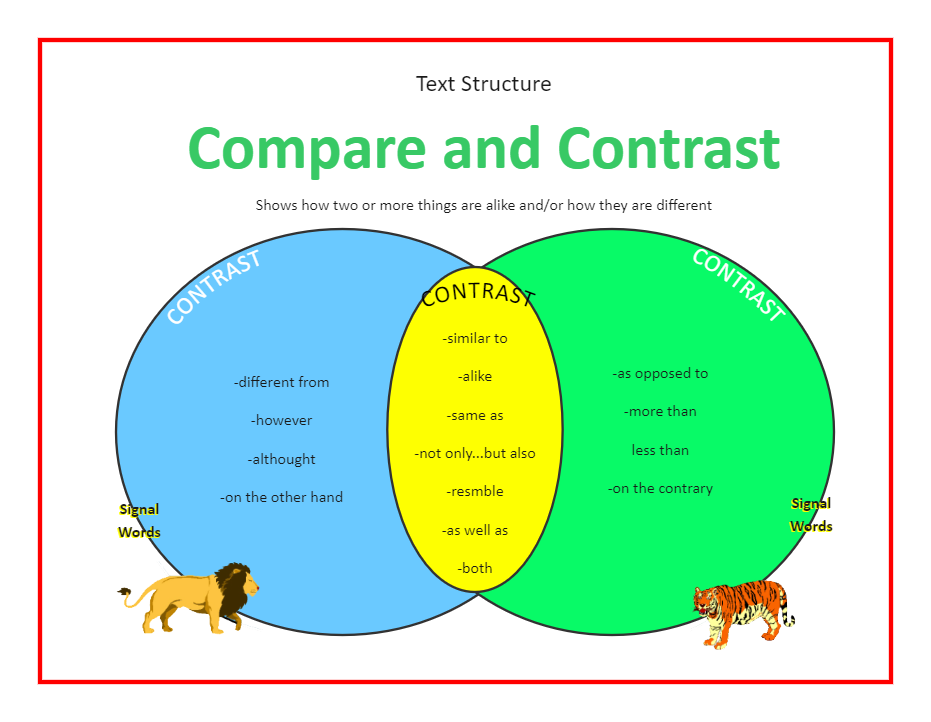
Alright, energy enthusiasts, buckle up! We're about to dive headfirst into the wild world of energy, comparing and contrasting the superheroes (renewable) and the… well, let's just say the 'classically-powered' (non-renewable) resources. Think of it like a showdown between the sun-kissed surfer and the grizzled old prospector!
The Everlasting All-Stars: Renewable Energy
These are the rockstars of the energy world! They're the resources that keep on giving, like that friend who always brings snacks to the party. They are also resources you do not have to feel guilty using.
Solar Power: Harnessing the Sun's Awesome Rays
Ah, the sun! Our giant, fiery friend in the sky. Solar power is all about capturing the sun's energy and turning it into electricity. Imagine tiny solar panels on your roof, soaking up the sun's rays and powering your TV, all while you're binge-watching your favorite shows!
It's like having a mini sun-powered factory on your house, except way cooler and with zero annoying factory noises!
Wind Power: Letting the Breeze Do the Work
Wind power? That's where those giant windmills (or, more technically, wind turbines) come in. These awesome structures catch the wind's energy and convert it into electricity.
Think of it as nature's own free energy generator, whispering sweet nothings of electricity into our power grids!
Hydropower: Riding the River's Flow
Hydropower uses the force of flowing water to generate electricity. You've probably seen those massive dams, holding back huge reservoirs of water.
As the water rushes through the dam, it spins turbines, creating electricity. It's like a giant water wheel, but instead of grinding grain, it's powering our homes and cities.
Geothermal Energy: Tapping into Earth's Inner Warmth
Deep beneath our feet, the Earth is a giant ball of molten rock, radiating heat. Geothermal energy taps into this underground heat to generate electricity or to directly heat buildings.
It's like having a built-in, Earth-powered radiator!
Biomass Energy: Turning Plants into Power
Biomass energy involves burning organic matter, like wood, crops, or even garbage, to generate heat or electricity. Think of it as a super-efficient campfire, but instead of roasting marshmallows, you're powering a city!
It's recycling at its finest, turning waste into useful energy!
The Classic Contenders: Non-Renewable Energy
These are the energy resources that have been powering our world for a long time. But here's the catch: they're finite, meaning once we use them up, they're gone. Poof! Like a magician's disappearing act, but less entertaining and more… concerning.
Fossil Fuels: The Remains of Ancient Life
Fossil fuels, like coal, oil, and natural gas, are formed from the remains of ancient plants and animals that died millions of years ago. It's like using dinosaur dandruff to power our cars (okay, maybe not dandruff, but close enough!).
Burning fossil fuels releases energy, but it also releases greenhouse gases, which contribute to climate change. It’s important to remember that using this type of resources can damage our planet.
Coal: The Black Gold of the Industrial Revolution
Coal is a black, combustible rock that's been used as a fuel source for centuries. It powered the Industrial Revolution and continues to be a major source of electricity in many countries.
Think of it as the original power source, but it's also the one that's causing the most pollution.
Oil: The Liquid Gold That Keeps Us Moving
Oil, also known as petroleum, is a liquid fossil fuel that's used to produce gasoline, diesel fuel, and other products. It's what keeps our cars, trucks, and airplanes moving.
It's like the lifeblood of modern transportation, but it comes with a hefty environmental price tag.
Natural Gas: The Cleanest of the Fossil Fuels
Natural gas is a gaseous fossil fuel that's used for heating, cooking, and generating electricity. It's considered the cleanest of the fossil fuels, but it still releases greenhouse gases when burned.
It's like the slightly less naughty cousin of coal and oil, but still part of the fossil fuel family.
Nuclear Energy: Splitting Atoms for Power
Nuclear energy harnesses the power of atoms by splitting them in a process called nuclear fission. This process releases a tremendous amount of heat, which is used to generate electricity.
It's like a miniature atomic explosion, carefully controlled to power our homes and businesses. Nuclear energy does not emit air pollutants or greenhouse gasses during operation, but does produce radioactive waste.
The Main Event: Renewable vs. Non-Renewable
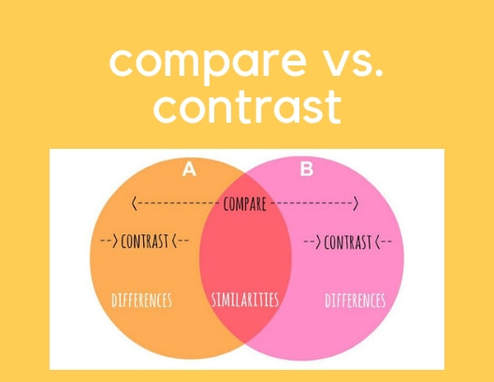
Okay, let's break down the key differences between these two energy camps. It's like comparing a marathon runner (renewable) to a sprinter (non-renewable). One has endurance, the other has a quick burst of energy.
Sustainability: The Long-Term Game
Renewable energy is sustainable, meaning it can be replenished naturally over time. The sun will keep shining, the wind will keep blowing, and the rivers will keep flowing. It is a better option compared to the other.
Non-renewable energy, on the other hand, is finite. Once we use it up, it's gone forever. It's like having a limited supply of your favorite candy – eventually, you'll run out.
Environmental Impact: Keeping Our Planet Healthy
Renewable energy generally has a much lower environmental impact than non-renewable energy. It produces little to no air pollution or greenhouse gases, helping to combat climate change.
Non-renewable energy, especially fossil fuels, is a major source of air pollution and greenhouse gases. Burning fossil fuels releases carbon dioxide into the atmosphere, contributing to global warming and other environmental problems.
Cost: Finding the Most Economical Option
The cost of renewable energy has been decreasing dramatically in recent years. In many cases, renewable energy is now cheaper than fossil fuels, making it an economically viable option.
The cost of non-renewable energy can fluctuate depending on market conditions and geopolitical factors. Fossil fuels are also subject to price volatility, which can impact consumers and businesses.
Availability: Powering the World
Renewable energy is available in abundance around the world, although some sources, like solar and wind, are intermittent, meaning they're not always available. The availability of non-renewable energy varies depending on the location and the resource.
Some countries have abundant reserves of fossil fuels, while others have to import them.
The Verdict: A Brighter Energy Future
So, who wins the energy showdown? Well, it's not really a competition. We need a diverse mix of energy sources to power our world. However, it's clear that renewable energy is the future.
It's sustainable, environmentally friendly, and increasingly affordable. By investing in renewable energy, we can create a cleaner, healthier, and more sustainable future for ourselves and for generations to come. So, let's embrace the power of the sun, wind, water, and Earth!
Let's build a world powered by the everlasting all-stars of renewable energy. The planet will thank us for it!