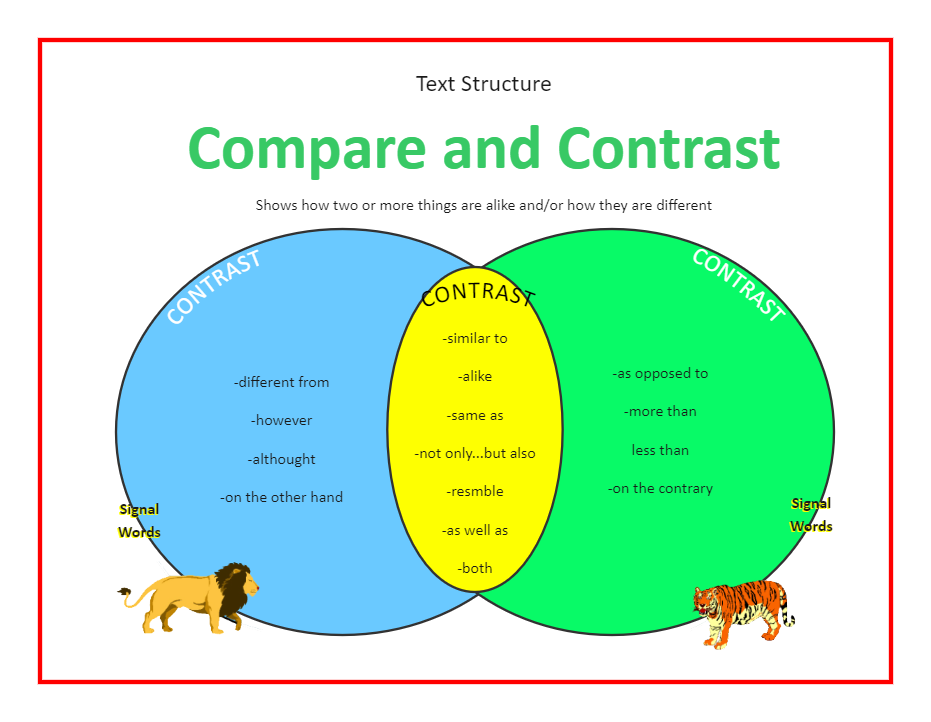
Hey everyone! Ever wonder where the sun gets its incredible energy? Or how nuclear power plants generate electricity? Well, buckle up, because we're diving into the world of nuclear reactions – specifically nuclear fusion and nuclear fission. Don't worry, it's not as scary as it sounds! Think of it like comparing two different ways to bake a cake – both use heat, but the ingredients and the process are totally different.
What's the Big Deal?
Okay, so why should you even care about this stuff? Well, for starters, it's all about energy. Massive amounts of energy. We're talking about the kind of power that can light up entire cities or even… well, power the sun! Understanding these reactions is key to unlocking cleaner, more efficient energy sources for the future. Wouldn't that be something?
Let's break it down, starting with:
Nuclear Fission: Splitting the Atom
Imagine you have a fragile vase. Fission is basically like taking that vase (an atom, specifically a heavy one like uranium) and smashing it with a hammer (a neutron). What happens? It breaks into smaller pieces! And when it breaks, it releases energy. Lots of it!
The process: A neutron slams into a heavy, unstable atom. This causes the atom to split, releasing more neutrons and energy. These newly released neutrons then go on to split *more* atoms, creating a chain reaction. Think dominoes falling, but with a nuclear kick!
Where you see it: Nuclear power plants are the most common example. They carefully control this chain reaction to produce heat, which then boils water, creates steam, and spins turbines to generate electricity. It’s a pretty ingenious system, right?
Cool fact: The first nuclear reactors were built during World War II as part of the Manhattan Project. Talk about history in the making!
Nuclear Fusion: Forging Together
Now, forget about smashing things. Fusion is all about *building*. Imagine taking two tiny Lego bricks and forcing them together to make a bigger one. That's kind of what happens in fusion.
The process: Two light atomic nuclei (like hydrogen isotopes) are forced together under extremely high temperature and pressure. When they fuse, they form a heavier nucleus (like helium) and release an enormous amount of energy. It's like the ultimate high-five between atoms!
Where you see it: The sun! And all the other stars, for that matter. Fusion is the engine that powers the universe. It's what keeps us warm and allows life to exist. Pretty amazing, huh?
Cool fact: Scientists are working hard to replicate fusion on Earth. If they succeed, it could provide a virtually limitless source of clean energy. Talk about a game-changer!
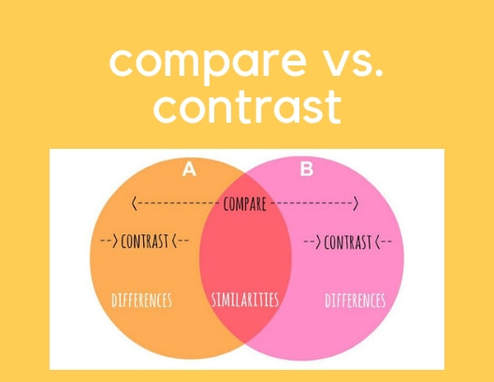
Fission vs. Fusion: Let's Compare!
So, what are the key differences between these two nuclear reactions? Here’s a quick rundown:
- Fission: Splits heavy atoms. Fusion: Joins light atoms.
- Fission: Happens at "relatively" lower temperatures (still incredibly hot!). Fusion: Requires extremely high temperatures and pressures. Think millions of degrees Celsius!
- Fission: Produces nuclear waste. Fusion: Produces very little radioactive waste (mostly helium). Big plus!
- Fission: Currently used in nuclear power plants. Fusion: Still in the experimental stage, but with huge potential.
- Fission: Think breaking a vase. Fusion: Think building with Lego bricks.
Here's a table to make it even clearer:
| Feature | Fission | Fusion |
|---|---|---|
| Process | Splitting atoms | Joining atoms |
| Atoms Involved | Heavy (e.g., Uranium) | Light (e.g., Hydrogen) |
| Temperature | High | Extremely High |
| Waste | Significant Radioactive Waste | Minimal Radioactive Waste |
| Current Use | Nuclear Power Plants | Experimental |
So, Which is Better?
That's the million-dollar question! Fission is a well-established technology, but it produces radioactive waste, which is a significant concern. Fusion, on the other hand, is much cleaner and potentially more abundant, but it's incredibly difficult to achieve and maintain. It's like choosing between a reliable old car that needs constant maintenance and a futuristic flying car that's still under development. Which would you pick?
The Future is Nuclear (Maybe!)
Both fission and fusion have the potential to play a significant role in our future energy landscape. Fission, with improved safety measures and waste management, can continue to provide a reliable source of energy. And fusion? Well, if we can crack the code, it could revolutionize the way we power the world, offering a clean, virtually limitless energy source. That’s a future worth getting excited about, don't you think?
So, the next time you look up at the sun or hear about nuclear power, remember the difference between fission and fusion. You'll be armed with some seriously cool knowledge!