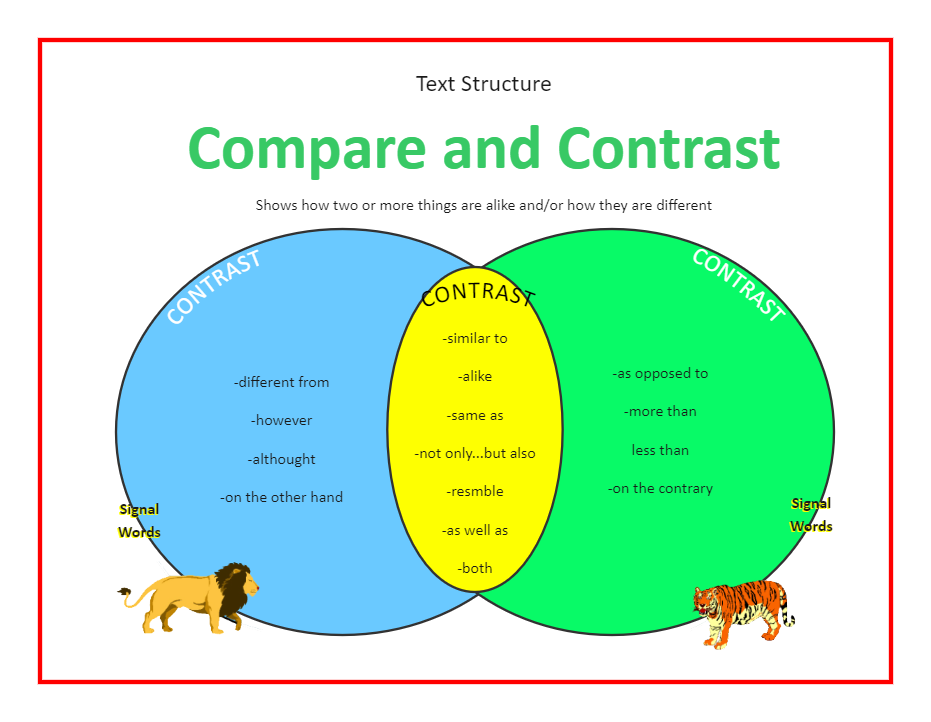
Imagine resources as house guests. Some are like that one friend who raids your fridge but always restocks it with something even better. Others? Well, they're the friend who finishes the last of the ice cream and leaves the empty carton in the freezer. Tragic, right?
That's essentially the difference between renewable and nonrenewable resources. Let's explore the party!
The Finite Feast: Nonrenewable Resources
Think of nonrenewable resources as that limited-edition box of chocolates you got for your birthday. Once they're gone, they're gone. No magical chocolate bunny will appear to refill the box.
Coal, oil, and natural gas – these are the rockstars of the nonrenewable world. We use them to power our cars, heat our homes, and keep the lights on. They've been doing their job for ages, but there's a catch.
These resources are formed over millions of years. We’re talking dinosaur-era slow. So, even if we find a new pocket of oil, it's not like we can just wish for more to appear.
Fossil Fuels: Buried Treasure with a Catch
Fossil fuels (that’s coal, oil, and natural gas again!) are like buried treasure. They're packed with energy, but digging them up and using them isn't always a clean process.
Burning these fuels releases greenhouse gases into the atmosphere. Think of it like throwing a massive pizza party for climate change. Not exactly a celebration we want to host.
And let's not forget about the environmental impact of mining and drilling. Sometimes, getting to the "treasure" means disturbing delicate ecosystems. Imagine tearing up a rainforest to find your car keys - a bit extreme, no?
Nuclear Energy: A Powerful but Perilous Option
Nuclear energy is another nonrenewable player. It's powerful, capable of generating a lot of electricity from a relatively small amount of fuel. It's the superhero of energy, but even superheroes have their weaknesses.
The fuel for nuclear power, usually uranium, is finite. It’s found in the Earth, and while there's more of it than some other nonrenewables, it won't last forever.
The biggest concern is the waste that nuclear power plants produce. This waste is radioactive and needs to be stored safely for thousands of years. It's like having a really, really annoying houseguest who refuses to leave, ever.
The Everlasting Buffet: Renewable Resources
Now, let's talk about the cool kids – the renewable resources. These are the resources that can be replenished naturally over a relatively short period of time. Think of them as the self-refilling drinks at your favorite restaurant.
Solar, wind, hydropower, geothermal, and biomass are the stars of this show. They offer a sustainable way to meet our energy needs without depleting the planet's resources.
It’s like choosing to eat from a bountiful garden instead of raiding a candy store. You’ll feel much better afterwards!
Solar Power: Harnessing the Sun's Fury (and Calmness)
Solar power uses the sun's energy to generate electricity. Solar panels on rooftops or in large solar farms capture sunlight and convert it into usable power. It’s like having a tiny sun factory on your roof!
The sun isn't going anywhere anytime soon (thank goodness!), so solar power is a truly sustainable option. Plus, solar panels are becoming increasingly efficient and affordable. It’s like upgrading from a horse-drawn carriage to a futuristic spaceship.
Okay, maybe not that futuristic, but you get the idea. There is the drawback that at nighttime, solar energy is unavailable and also on cloudy days.
Wind Power: Catching Breezes and Turning Turbines
Wind power harnesses the kinetic energy of the wind to generate electricity. Wind turbines, those giant spinning structures you often see in open fields, convert wind energy into power. Imagine a giant, eco-friendly fan that powers your neighborhood.
Wind is a free and abundant resource, making wind power a sustainable choice. Wind farms can be built in various locations, both on land and offshore. It’s like finding a free power outlet in the middle of nowhere!
Sometimes the wind doesn't blow, which can be frustrating. Also, some people think they aren't very attractive.
Hydropower: Riding the River's Flow
Hydropower uses the energy of moving water to generate electricity. Dams are built to create reservoirs, and the water released from the reservoir spins turbines, which then generate power. It’s like turning a river into a giant battery!
Hydropower is a reliable source of energy, but building dams can have environmental impacts. Dams can disrupt river ecosystems and displace communities. It’s like building a fancy apartment complex that floods the neighborhood.
Hydroelectric dams can also experience problems during times of drought as water levels can drop and restrict the amount of power that can be generated.
Geothermal Energy: Tapping into Earth's Heat
Geothermal energy taps into the Earth's internal heat to generate electricity or heat buildings directly. Geothermal power plants use steam from underground reservoirs to turn turbines and generate power. It's like having a built-in, never-ending sauna!
Geothermal energy is a clean and reliable source of energy. However, it's only available in certain locations where geothermal resources are accessible. It’s like finding a hidden oasis in the desert.
Additionally, accessing these geothermal reservoirs can sometimes release trapped gases, although the overall emissions are significantly lower than fossil fuels.
Biomass Energy: Turning Trash into Treasure (Almost)
Biomass energy uses organic matter, such as wood, crops, and waste, to generate electricity or heat. Biomass can be burned directly or converted into biofuels, which can be used to power vehicles. It’s like turning your leftovers into fuel!
Biomass is a renewable resource, but it's important to manage it sustainably. Burning biomass can release pollutants into the air, so it's essential to use efficient combustion technologies. It’s like cooking with a campfire – fun, but be mindful of the smoke!
Also, depending on the type of biomass used, there can be competition with food production. Growing crops solely for fuel can potentially impact food prices and land use.
The Great Energy Debate: Choosing Our Own Adventure
So, which resources are better? Well, it's not a simple question. Each resource has its pros and cons. It's like choosing between pizza and salad – both have their place, depending on your mood and what you need.
Nonrenewable resources have powered our world for centuries and continue to be a major source of energy. However, their finite nature and environmental impacts make them unsustainable in the long run.
Renewable resources offer a more sustainable alternative, but they also have their challenges. They can be intermittent, require significant upfront investment, and have environmental impacts of their own. Like that one friend who always means well, but sometimes forgets to take out the trash.
The future of energy lies in a mix of resources. The key is to reduce our reliance on nonrenewables and transition towards a cleaner, more sustainable energy system. It's like diversifying your investment portfolio – don't put all your eggs in one basket!
Ultimately, the choice is ours. We can continue down the path of finite resources and face the consequences, or we can embrace a future powered by the sun, wind, and other renewable wonders. So, what will it be?